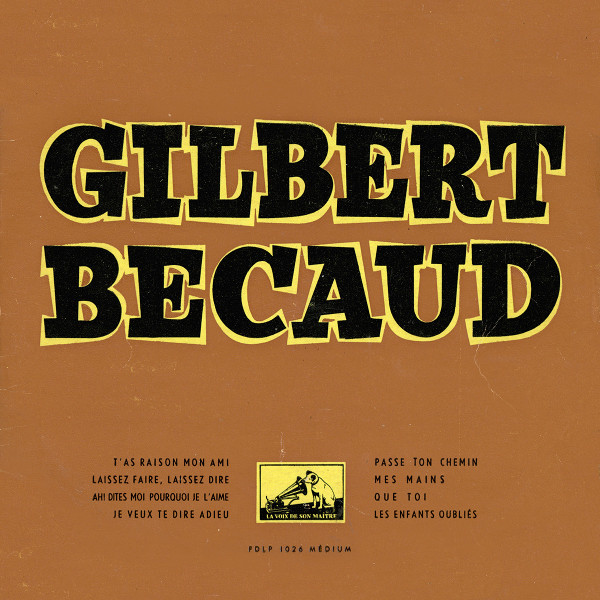
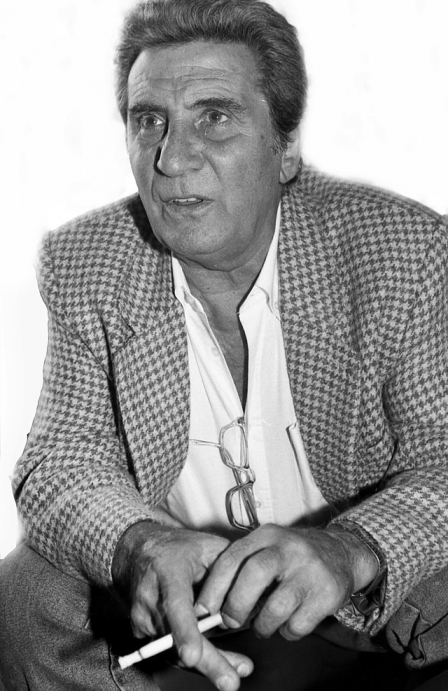
Gilbert Bécaud is often called the uncrowned king of the French chanson. And rightly so, as his hits are still sung daily, whether about the handsome Russian guide Nathalie or the loving 'L’Important C’est La Rose'. And whoever does not remember Bécaud’s famous song 'Et Maintenant' will certainly recognise the English translation 'What Now My Love?' performed by, among others, Frank Sinatra, Elvis Presley and Shirley Bassey. Together with 'Je T’Appartiens' – translated as 'Let It Be Me'
Edith Piaf
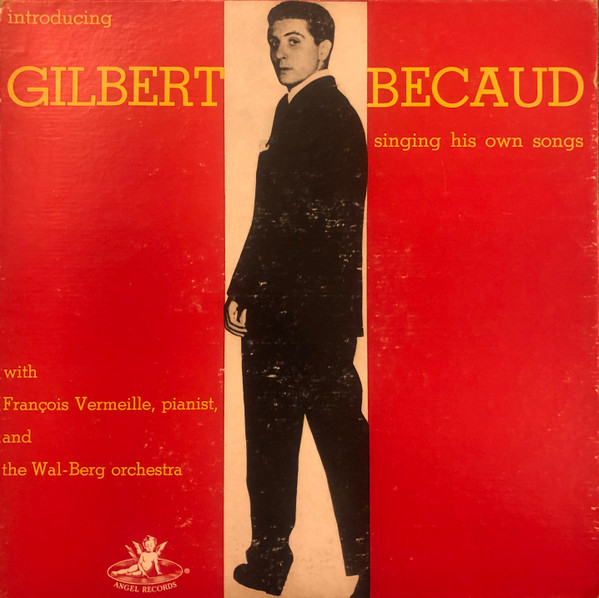
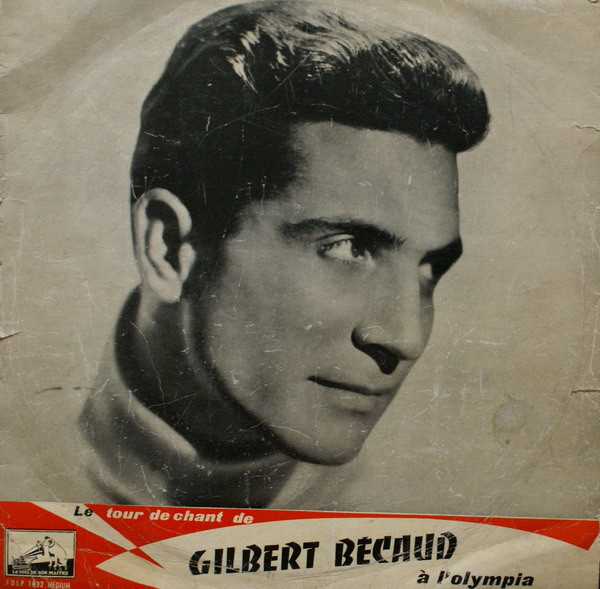
Gilbert Bécaud was born François Gilbert Léopold Silly on 24 October 1927 in Toulon. He was the son of a hotel owner but chose a career in music. Together with his childhood friend Maurice Vidalin, he wrote his first songs. When François was twenty years old, he became the regular pianist for the then very famous French singer Jacques Pills. With Pills, he wrote the hit 'Je T’ai Dans La Peau' for Edith Piaf. Piaf recognised the talent of the young François and helped him develop a solo career. It is said they were even lovers for some time. On her advice, François took the stage name Gilbert Bécaud, after which the path to fame and success was open.
Monsieur 100,000 Volts
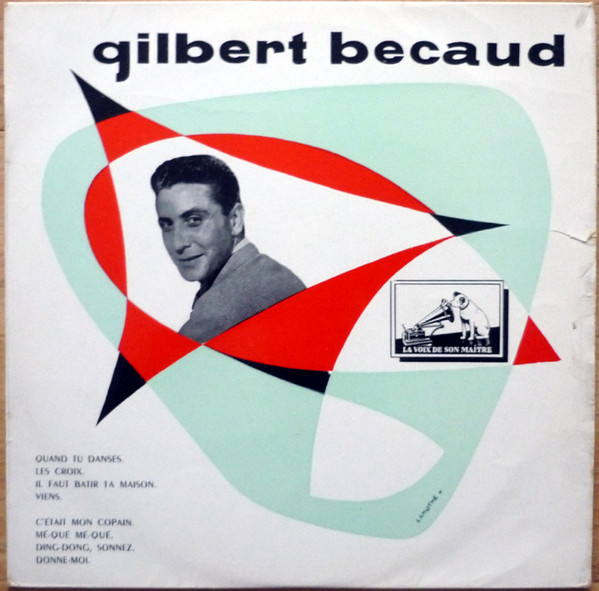
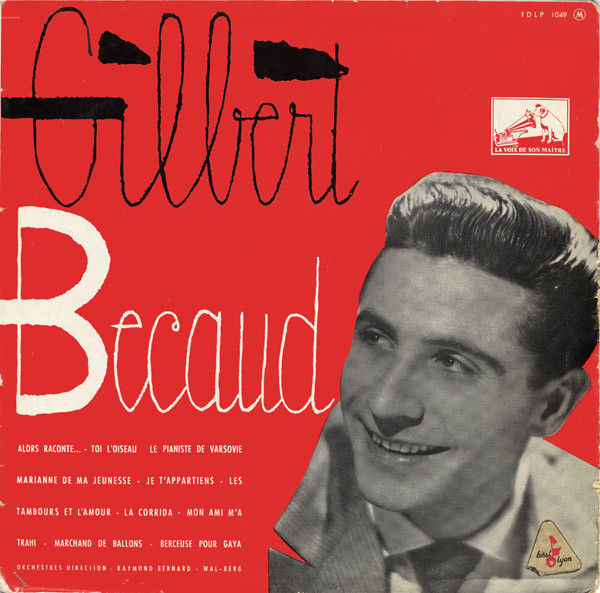
In 1953, Bécaud scored his first big hit in France with Quand Tu Danses. This success was followed by hits such as 'La Corrida' (1956), 'Le Jour Où La Pluie Viendra' (1957), 'C'est Merveilleux l'Amour' (1958) and 'Je T’Appartiens' (1960), which, besides the English version by the Everly Brothers, was also performed by artists like Bob Dylan, Nina Simone, Cher, Elvis Presley and James Brown. Bécaud’s dynamic live shows earned him the nickname Monsieur 100,000 Volts. He also played leading roles in various films, including Le Pays D’où Je Viens with Françoise Arnoul and Casino De Paris with Catarina Valente.
l’Olympia
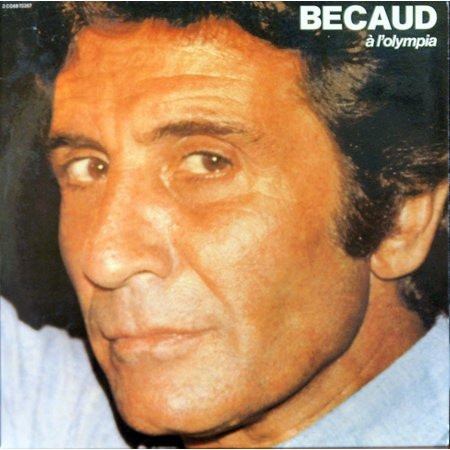
The international success of 'Je T’Appartiens' was followed by world hits such as 'Et Maintenant/What Now My Love' (1961), 'Je T’Attends' (1963) co-written with Charles Aznavour, the rousing 'Nathalie' (1964) and the beautiful 'L’Important C’est La Rose' (1967). Meanwhile, Bécaud wrote the opera L’Opéra D’Aran and toured extensively through Europe, Asia, the Middle East and North and South America. In France, he performed more than a hundred times at the famous Parisian theatre l’Olympia.
Neil Diamond
In 1973, an overworked Bécaud took a break of over a year to come back strong with the very successful 'A Little Love And Understanding' (1975) in the Netherlands and England. In 1978, he wrote the song 'C’est En Septembre/September Morn' with Neil Diamond, which became a hit both in his own version and Diamond’s. In 1980, he composed several songs for Neil Diamond’s film The Jazz Singer, including the hit 'Love On The Rocks'. In 1986, Bécaud’s musical Madame Roza premiered in London.
Illness
Bécaud maintained his great love for alcohol, cigarettes and women until his death. He married twice, had five children and adopted a daughter from Laos with his second wife. When cancer was diagnosed in the mid-1990s, Bécaud tirelessly continued his hectic life. Despite his deteriorating health, he continued to perform frequently and record songs, such as those for the album Le Cap, which was only released posthumously by his son Gaya.
Memory
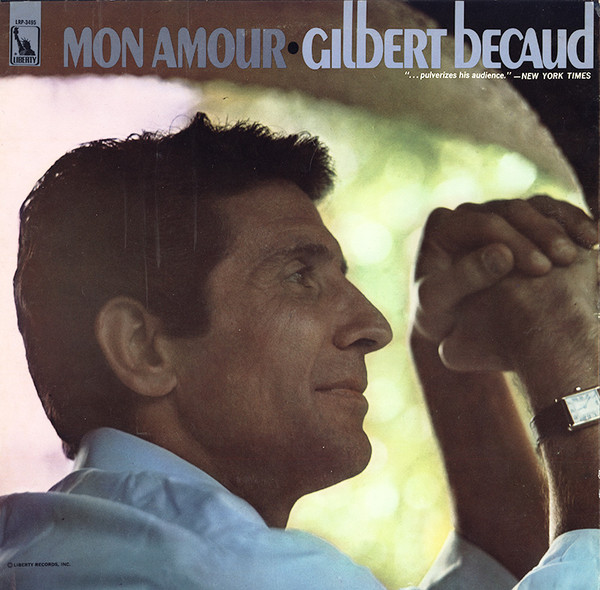
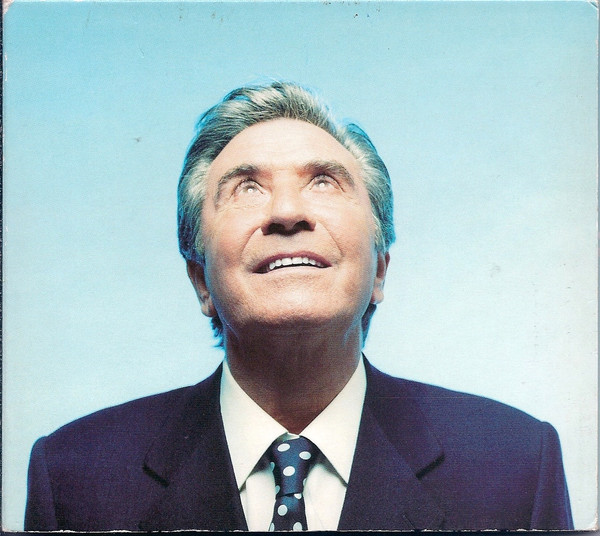
On 18 December 2001, Gilbert Bécaud died at the age of 74 on his houseboat in Paris. His fans remember him as a charismatic chansonnier who, with a glass of Chivas Regal in one hand and a burning Gitane in the other, treated his audience to an evening of authentic French temperament and art of living. He was buried in the famous Parisian cemetery Père-Lachaise.
Top 2000
In the 23rd edition of the Top 2000, Gilbert is ranked number 1427 with Nathalie
Sunday Morning Classic
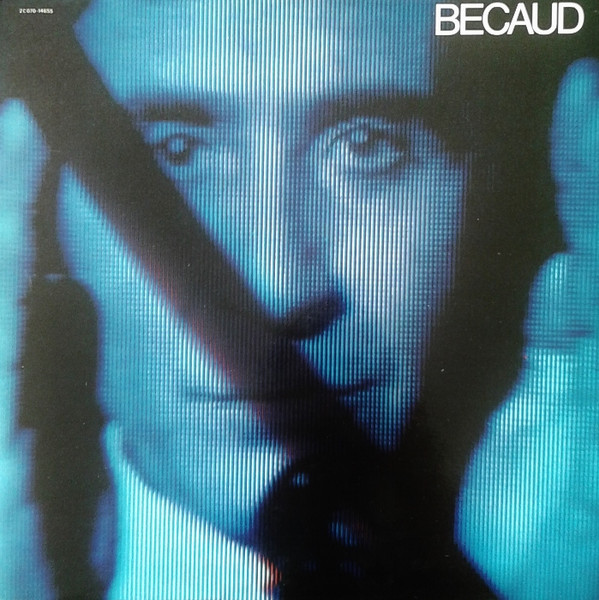
When the sun shines, we always get enthusiastic about beautiful French chansons! On 4 June 2023, Gilbert Bécaud was our guest on the Sunday Morning Classic stage with the album "Bécaud" from 1964. Not least because it features his biggest hit Nathalie. The song has been continuously in the Top 2000 list since its inception in 1999. Besides being a love song, it is also a veiled protest against communism, the setting where this love story unfolds. The singer tells that Nathalie shows him Moscow. She talks about the beautiful life in the Soviet Union, but when they are alone together, the subject changes. The singer hopes that one day he will welcome Nathalie in Paris.
"Bécaud" may not be his best album? Searching the internet, the album is ranked number 16. His debut album "Quand Tu Danses" from 1953 is better appreciated, but stubborn as we are, we did not choose that. "Bécaud" is a cheerful and energetic album and, in our opinion, brightens up the Sunday morning.
Photo: Public domain Source: NPO and Wikipedia
Gilbert Bécaud left behind a large number of albums. Too many to mention here... Looking for a specific album? Let us know. We are happy to help you search!