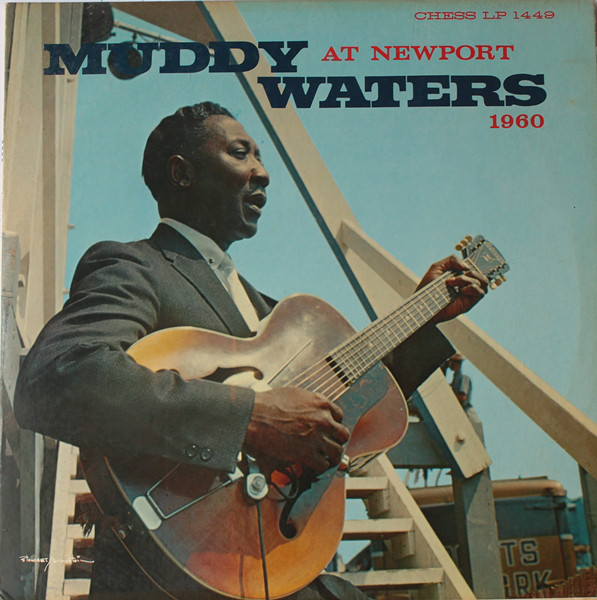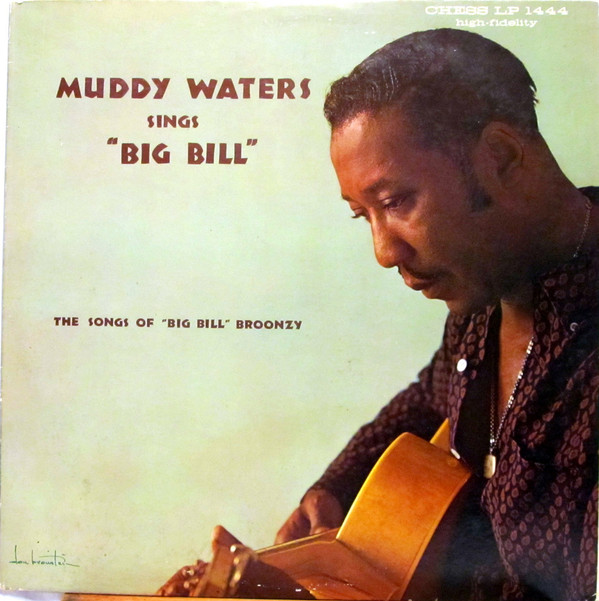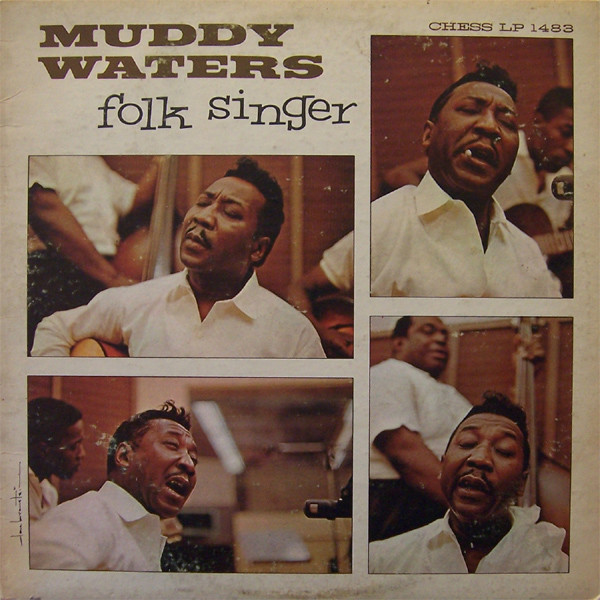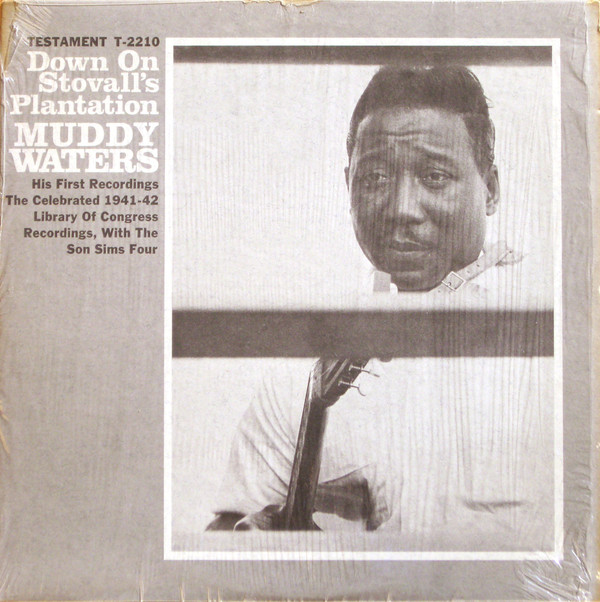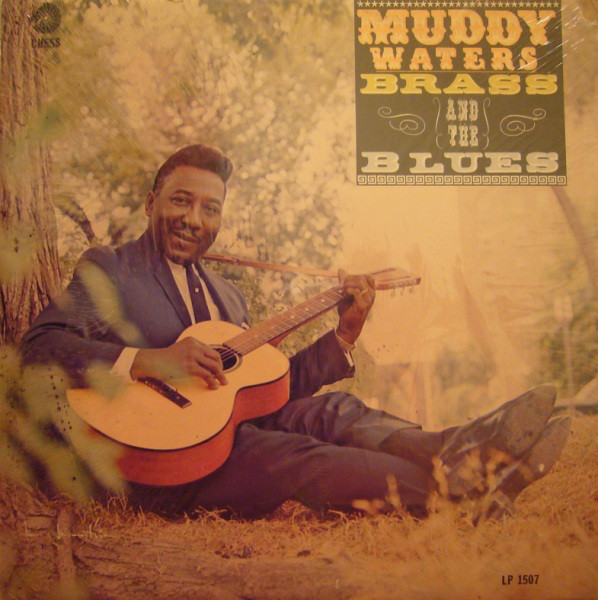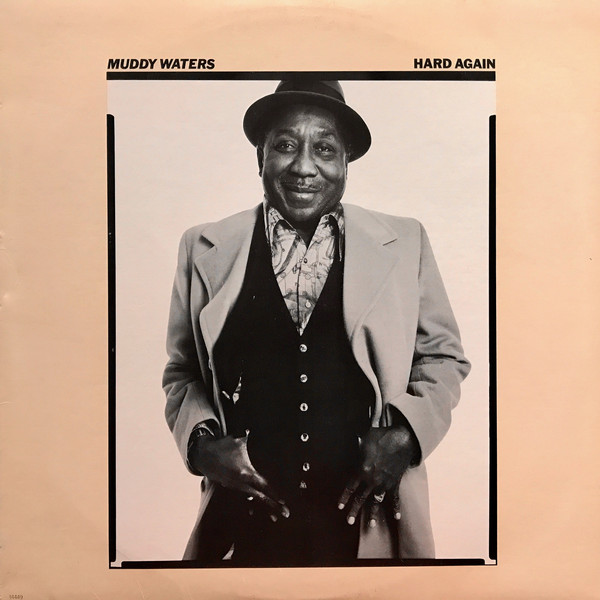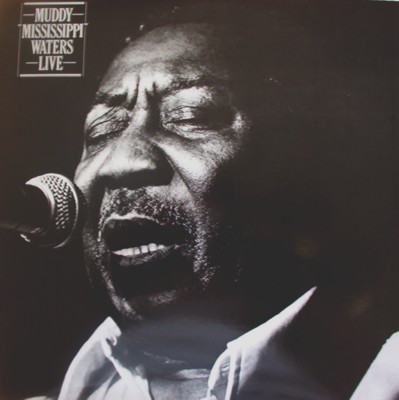
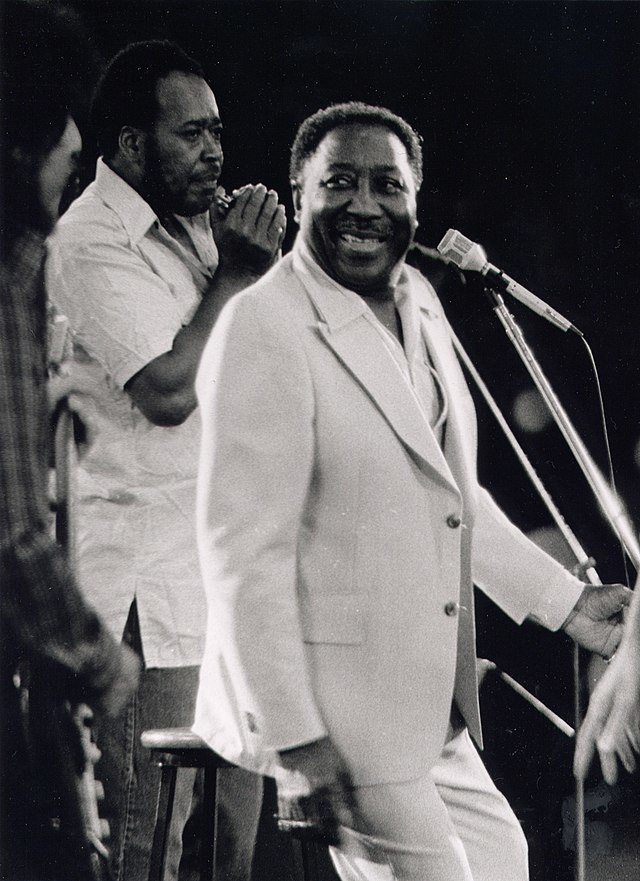
Muddy Waters, pseudonym of McKinley Morganfield (4 April 1913 - 30 April 1983), was an American blues singer, regarded in blues music as a successor to his predecessors Son House, Willie Brown, and Robert Johnson. In Rolling Stone's list of "the 100 Greatest Artists of All Time," Waters ranks number 17. He grew up with his grandmother in Clarksdale, Mississippi, on Stovall Plantation, and she gave him his nickname: because he played as a child in the nearby river, she called him Muddy Water. At seven, Muddy started with the harmonica (blues harp) and attracted much attention playing tunes in the middle of the square. Later, at age 17, he swapped his harmonica for a guitar and played at local parties.
Initially, he survived as a day labourer and tried to make it as a professional blues singer with the help of Big Bill Broonzy. By switching to electric guitar, he helped lay the foundation for the Chicago sound. His first recordings for Columbia remained unreleased, and only in 1948 did he break through with I Can't Be Satisfied for what was then the Aristocrat label. Aristocrat Records changed that year to Chess Records, named after brothers Leonard and Phil Chess. Initially, they paired him with Ernest Big Crawford, but gradually he gathered the very best musicians around him: Little Walter, Jimmy Rogers, Elgin Evans and Otis Spann dominated the early '50s scene alongside composer Willie Dixon. Hoochie Coochie Man, I Just Wanna Make Love to You and I'm Ready brought him commercial success. Enthralling club performances firmly established Muddy's fame, with only rival Howlin' Wolf coming close.
Mannish Boy (Bo Diddley's version of Hoochie Coochie Man), Forty Days and Forty Nights and She's 19 Years Old eventually became classics. In 1958, he travelled to Great Britain where he stunned the English audience with his electric blues. His performance at the Newport Jazz Festival in 1960, where he delivered a thrilling version of Got My Mojo Working, also convinced the predominantly white audience. In the early sixties, British beat groups picked up his sound: bands like The Rolling Stones (named after his early hit), The Pretty Things and John Mayall's Bluesbreakers became the conduit for blues to a whole generation of white youths. Muddy Waters' influence on rock is not to be underestimated.
Waters was inducted into the Mississippi Musicians Hall of Fame. In 1983, he died at age 70 of a heart attack in his sleep.
In the Top 2000 of 2019, Muddy ranked 1554 with Mannish Boy. That can and should be higher!
Source: Wikipedia Photo: Lionel Dicoster and Jean Luc Orlin