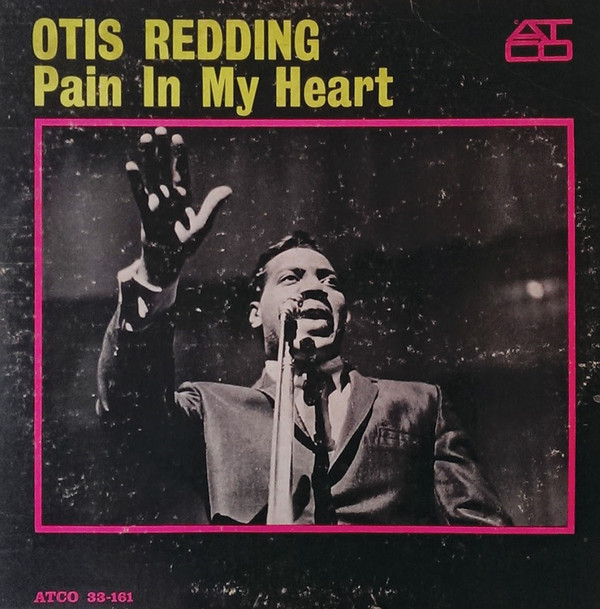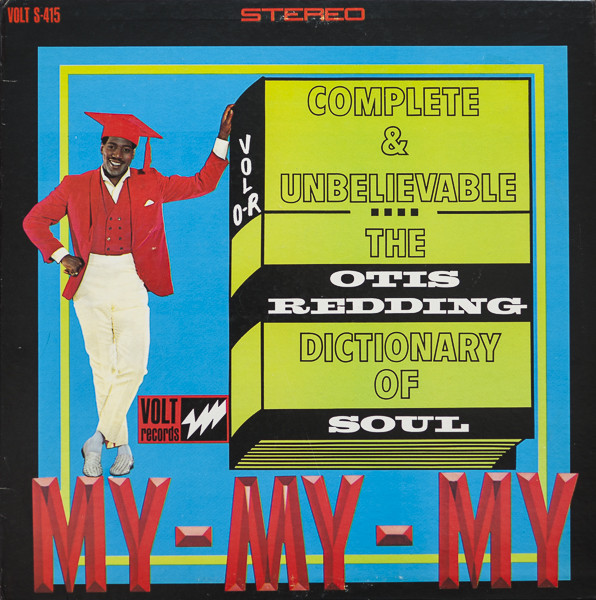
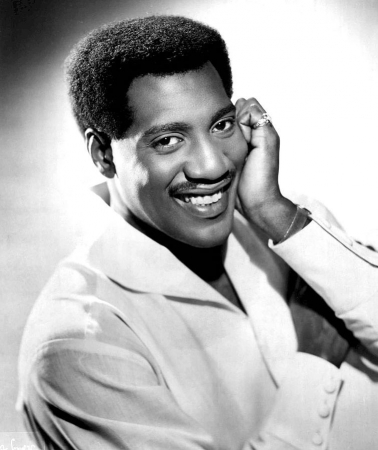
Otis Redding (9 September 1941 – 10 December 1967) died just as he was finally getting the chance to break through in the pop world. Early in his career, Otis Redding’s voice and performance were compared to those of Little Richard. From 1965 onwards, the singer put his own stamp on modern soul music with songs like 'Mr Pitiful' and 'Satisfaction', a cover of the Rolling Stones, and 'Respect'. The latter later became a huge hit thanks to singer Aretha Franklin. The Rolling Stones showed their “respect” for Redding’s sound by covering 'That’s How Strong My Love Is' and 'Pain In My Heart'. Redding returned the compliment by “singing back” the song 'Satisfaction'. Despite many white artists and groups appreciating his music, Redding scored only moderately in the charts. His success seemed somewhat limited to the soul world.
Surprise
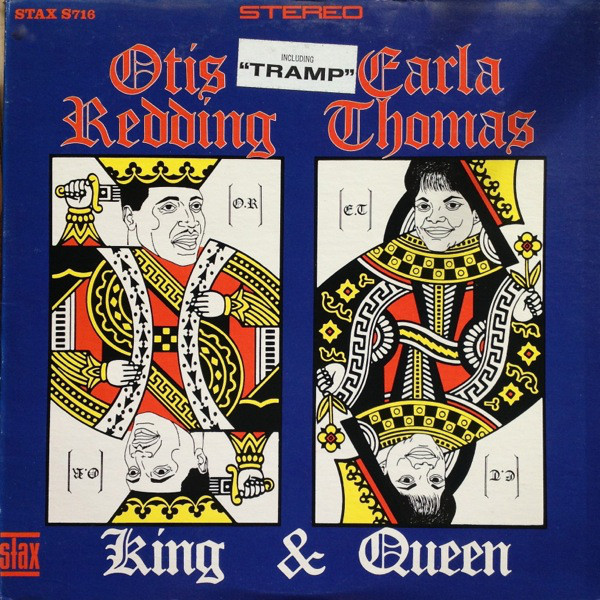
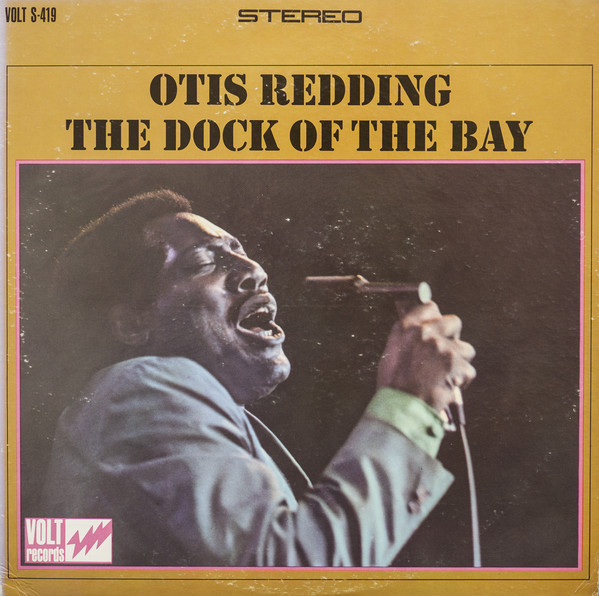
In 1967, Redding received official recognition from white music circles when he scored a hit with singer Carla Thomas. The song 'Tramp' was a precursor to (brief) success. In early December 1968, the tragically beautiful song 'The Dock Of The Bay' was recorded. Everything about the song is surprising: the personal reflections and emotions in the lyrics, the instrumental aspect, and Redding’s development in vocal style.
Tragedy
'The Dock Of The Bay' did very well in the charts. Unfortunately, Redding himself was no longer alive to enjoy the success. At the age of 26, just days after recording his hit, the singer died in a plane crash. It is hardly surprising that people still regularly wonder what more Redding could have contributed to the world of music.
Top 2000
Otis Redding had three songs in the Top 2000 of 2020. The highest ranking was "(Sittin' On) The Dock Of The Bay" at number 90.
Sunday Morning Classic
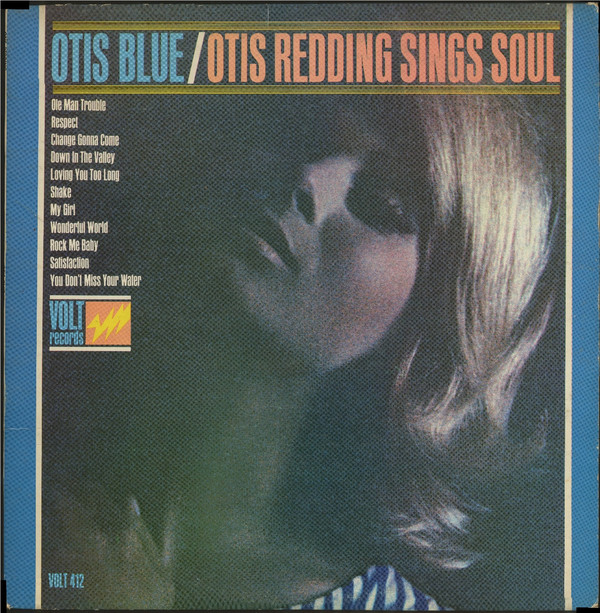
In 1965, the album "Otis Blue" was released. A fantastic soul album that was played on our turntable on 5 September 2021 as a (very well-deserved) Sunday Morning Classic.
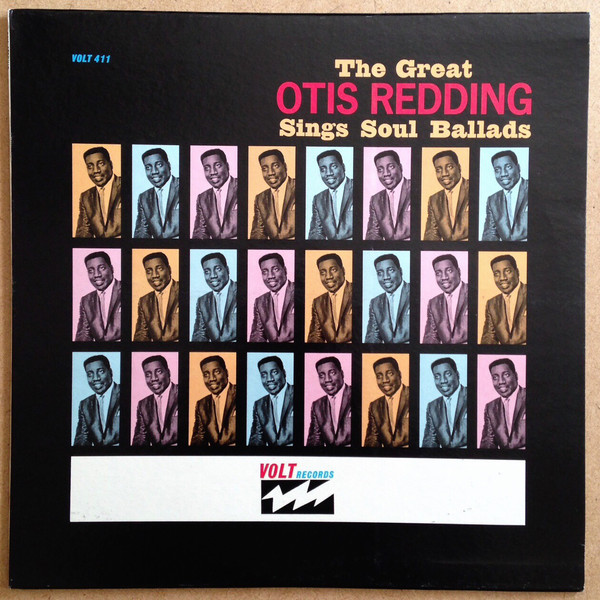
Otis Blue: Otis Redding Sings Soul, better known as Otis Blue, is Otis’s third album and the follow-up to The Great Otis Redding Sings Soul Ballads. The album largely consists of covers of other soul artists and was recorded, except for one track, within 24 hours at the Stax Recording Studios in Memphis, Tennessee.
Three of the eleven tracks were written by Redding himself: "Ole Man Trouble", "Respect", and "I've Been Loving You Too Long". Three songs were written by Sam Cooke, a soul singer who had died a few months earlier. Redding was accompanied during the recordings by the Stax house band Booker T. & the M.G.'s, a horn section made up of members of The Mar-Keys and The Memphis Horns, and pianist Isaac Hayes.
The album ranks number 74 in a list of the 500 greatest albums of all time compiled by Rolling Stone magazine.
Otis Redding's Otis Blue represents, in its 32 minutes and 11 tracks, the true essence of soul music. South, North, whatever. Nothing more, nothing less. It is not only the representation of one of the greatest soul singers at his best, but also the showcase of one of the strongest musical breeding grounds of the Memphis Stax label and its in-house players, especially Booker T. and The MG's. Apart from "I've Been Loving You Too Long", which had been recorded earlier as a single, the other 10 tracks were recorded within a 24-hour period. Choosing the best album from the eight Redding recorded during his lifetime is a task akin to splitting hairs with a butcher’s knife, but this third one is probably the winner. Otis and the band do it all – come up with three beautiful Redding originals ("Ole Man Trouble", "Respect" and "I've Been Loving You Too Long"), pay a 'mini' tribute to Redding's idol Sam Cooke with three of his songs ("Change Gonna Come", "Shake" and "Wonderful World"), and along the way show their blues roots (BB King's "Rock Me Baby"), reclaim soul that inspired rock ("Satisfaction"), and give their take on both Detroit ("My Girl") and southern soul (William Bell's "You Don't Miss Your Water").
Not that you can't criticise the concept or any of the interpretations, but some are even at the top of the soul pantheon. "I've Been Loving You Too Long" is certainly one of the best songs Redding wrote (albeit with Butler), and his rendition is definitely the definitive one. Probably definitive as well is his version of Sam Cooke's "Change Gonna Come", which Redding brings all the passion and love for Cooke, and even more for the message of the song, which was somewhat diluted by Cooke's producers who tried to 'sweeten' the original with strings.
In a way, the tables were turned in that 'respect' for Redding for a song he wrote – "Respect" – while his version is as brilliant as it is, Aretha Franklin's remains the iconic one. It would be sacrilege not to mention the other songs, as they are all performed here as they truly are – genuine soul classics, with Redding and the players showing that soul is soul, no matter where it comes from. But essentially, Otis Blue, with all its other contributions, is one of the greatest singers of all time at his peak. In every respect.
Source: Jan Liebregts and NPO Photo: public domain