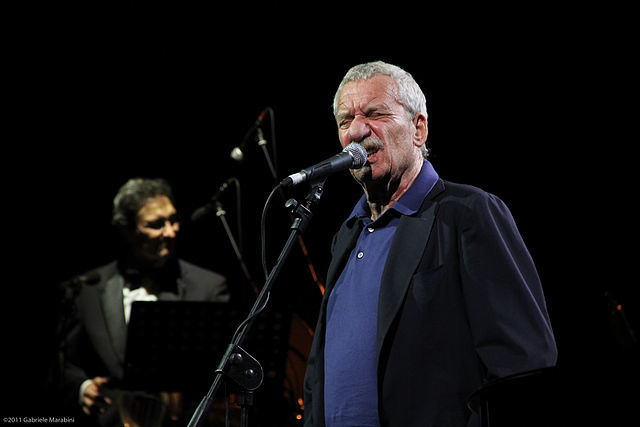
I personally saw Paolo Conte perform once, in 2011. That was in Eindhoven. Friends Egbert and Marloes are true fans, so I asked them to write something about it.
"We first saw Paolo at the castle-like open-air theatre in Carcassonne, France, in 1989. We spontaneously bought tickets a few hours before the concert. We had no idea who he was, but we enjoyed his piano playing and Italian songs. Front row, with our feet against the stage. In the years that followed, we collected all his albums. On holiday in Italy, we always found an album we didn’t know yet in record shops. Some of his French-language songs, by the way, are not easy to listen to. At home, we often danced around the room to the rhythmic Dancing. Paolo regularly came to the Netherlands and we went to many of his concerts. The setup is always the same: Paolo behind the piano, his band members dressed in black behind him. And Paolo doesn’t say a word too many, just a friendly nod to his audience, that’s all you get. The highlight during the concerts is always Diavolo Rosso, where the guitarist really lets loose. In 2015, we flew to Italy and saw Paolo in the new building of Opera di Firenze; we got goosebumps there among the Italian audience. The personal meeting was a few years ago. Still enjoying the concert, we walked behind the Music Centre in Eindhoven. Paolo came out of the artists’ exit and I almost bumped into him. Flustered, I held out my hand and thanked him for “the great concert”. He shook my hand, mumbled a bit and got into the car. We hope to see this grumpy old man live a few more times in the coming years and continue to enjoy his “mumbling” music."
Paolo Conte
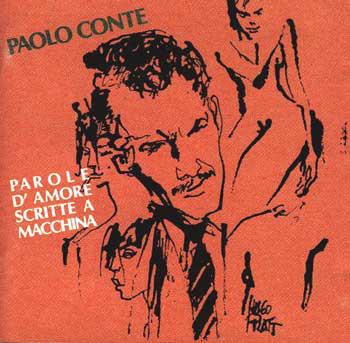
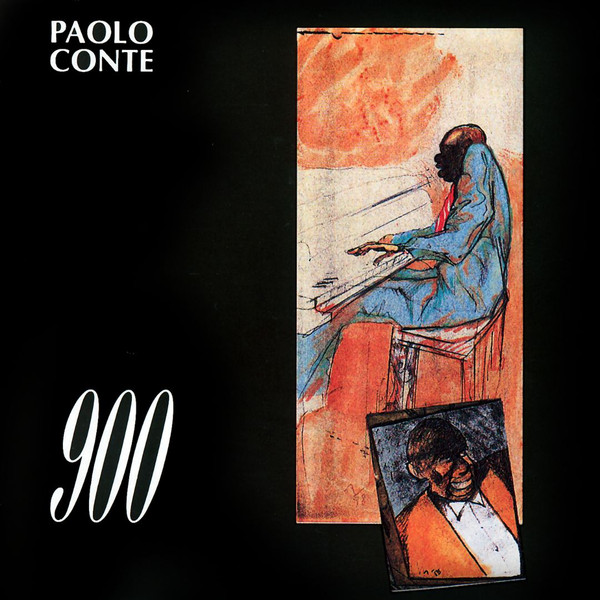
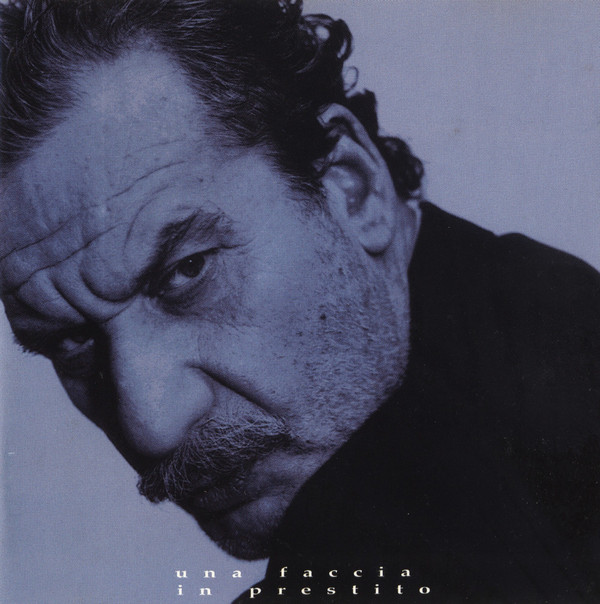
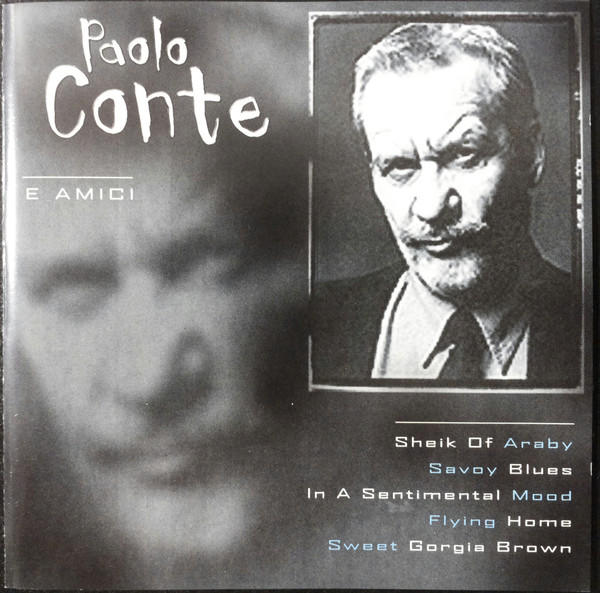
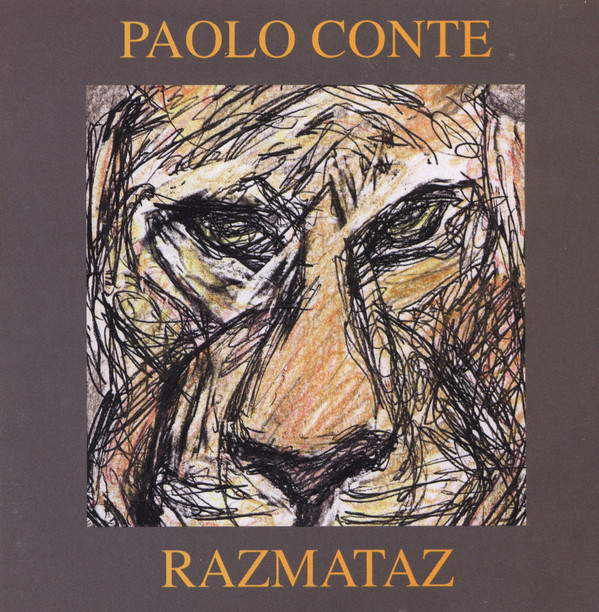
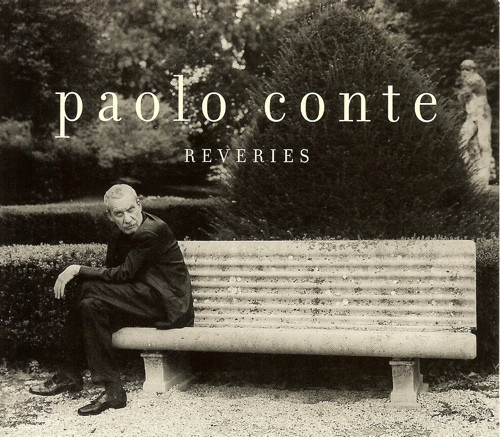
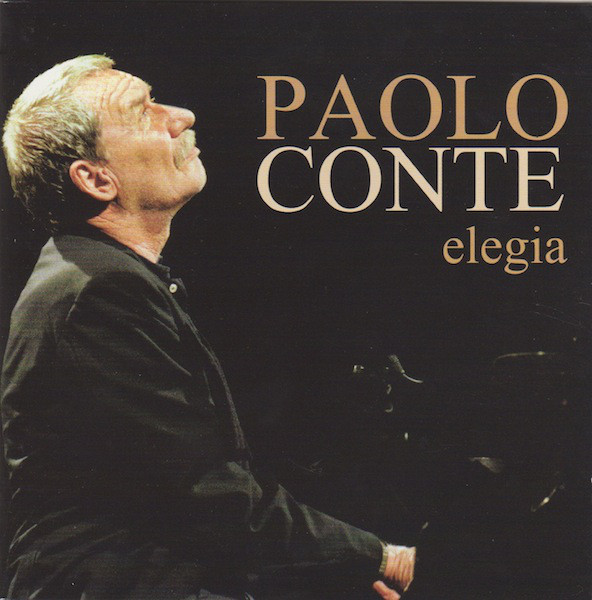
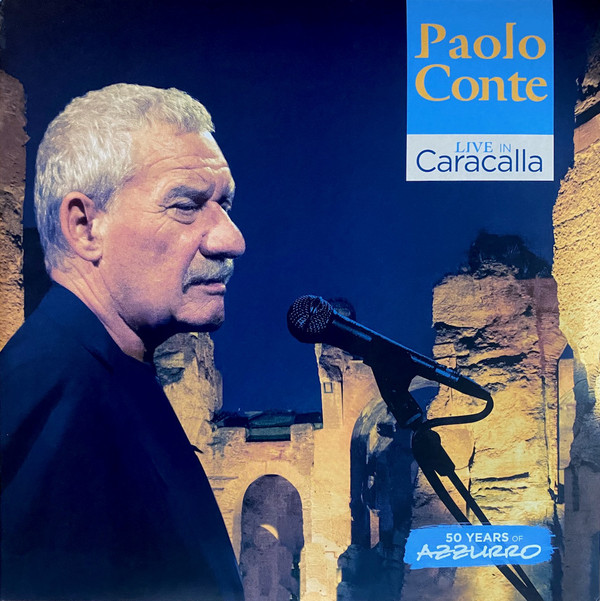
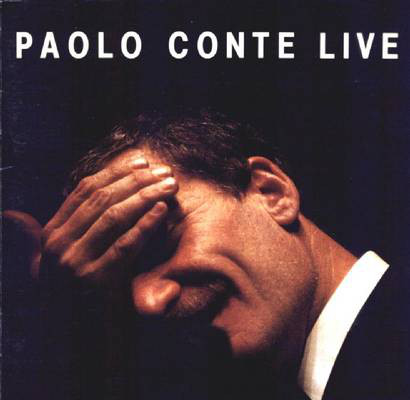
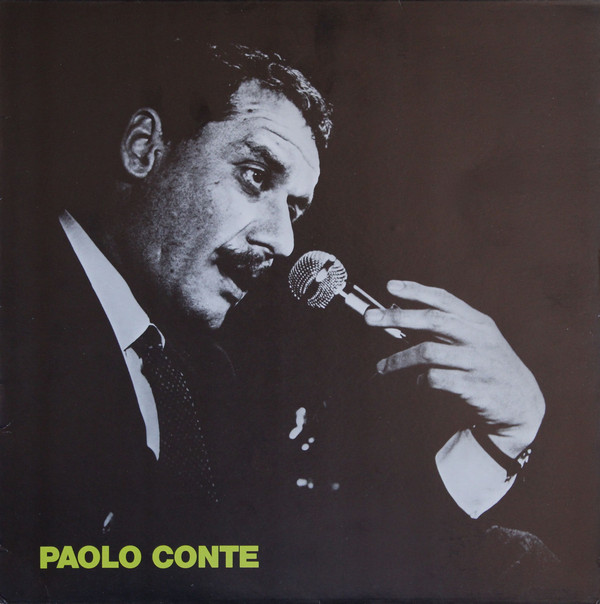
Paolo Conte (6 January 1937) is an Italian singer, composer and songwriter for other singers and later for himself. His grainy, hollow voice lends a special charm to his sad, sometimes melancholic lyrics. In 1998, he released a compilation album called The Best of Paolo Conte. He composed film music and a musical, Razmataz. As a visual artist, he had exhibitions in London of his graphics and paintings. Paolo Conte studied law and was a lawyer.
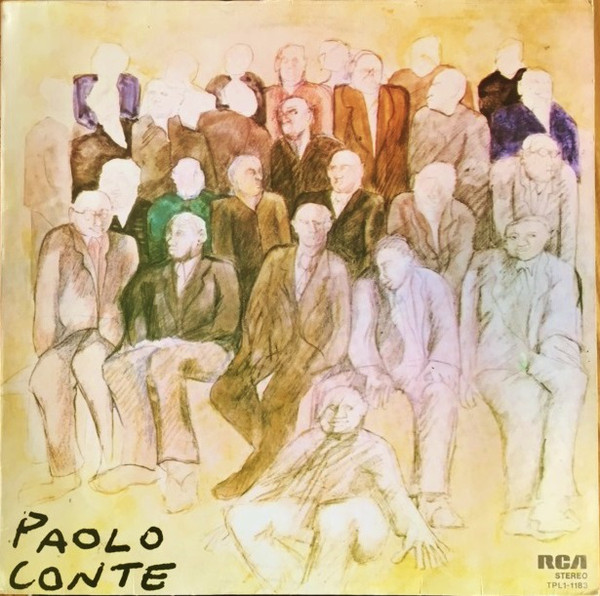
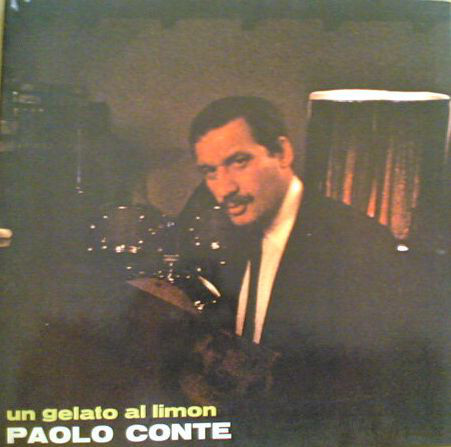
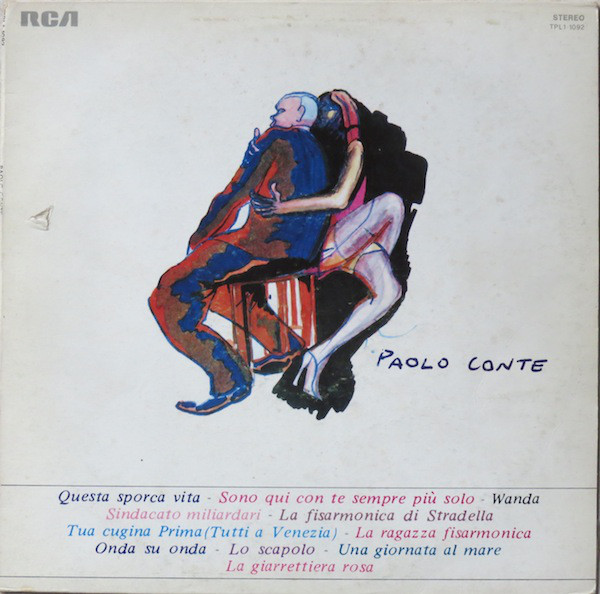
It was only in the 1970s that Paolo Conte began to sing and play himself. He personally thought his singing on demo recordings was far from great, but producer Lilly Greco did hear the talent of the practising lawyer and helped him on his way. The first studio album appeared in 1974, simply called Paolo Conte. In 1979, Un Gelato al Limone (lemon ice cream) was a big hit, but the worldwide breakthrough came with Max (1987), in which he sings about a recently deceased friend.
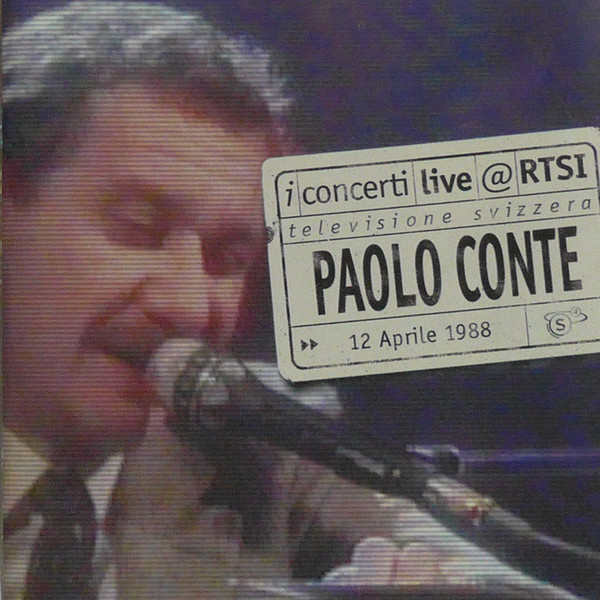
The lyrics full of associations and impressionism, sung with a monotone (grumbling and mumbling) voice, sometimes sober then exuberantly accompanied by his musicians, appeal to many people. A long series of studio and live albums followed. In 2005, the DVD 'Arena di Verona' was released, recorded in the same city where Paolo Conte gave his first concert on 18 December 1976 to about two hundred interested people.
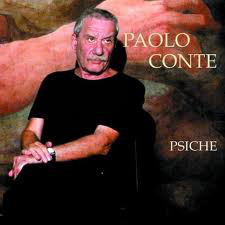
In 2008, a new album, Psiche, was released, which was the reason for a small tour in early 2009, during which he also visited the Netherlands and Belgium.
It's Wonderful
In 2021, a film about the life of Paolo Conte was released: It's Wonderful. Via con me (It’s Wonderful) by director Giorgio Verdelli spans a period of 50 years and is about more than just music. The viewer is taken along the most famous songs, major concerts and previously unreleased material. But also the friendships, thoughts and reflections of the artist are covered. Verdelli used Paolo Conte’s rich personal archive for this film, showing footage from his international tours and unique moments that shaped his remarkable career. The film is a continuous journey of discovery into the extraordinary world of Paolo Conte.
Sunday Morning Classic
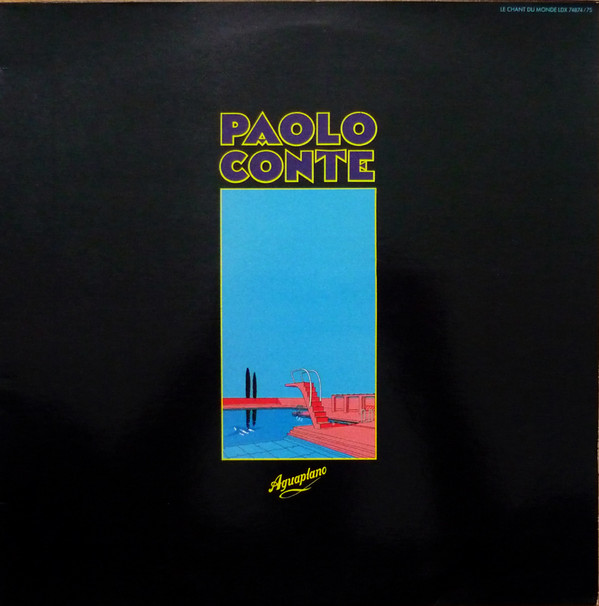
A man like Paolo deserves to be included in the series of Sunday Morning Classics. That is why on 15 August 2021 we put the album Aquaplano on the turntable.
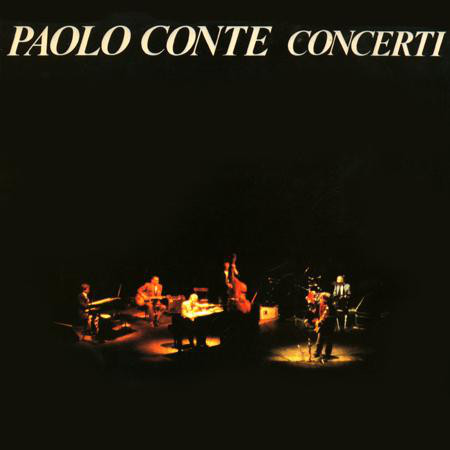
Paolo Conte's star was rising in the 1980s, but at the same time that his inexpressible stage persona triumphed across Europe, his records from that period – though always highly enjoyable – were somewhat less consistent than before. Taking advantage of the break afforded by his 1985 live release, Concerti, Conte sounds certainly inspired on Aguaplano, his first studio album in three years and a strong contender for his best work ever. The only double album in Conte's discography, Aguaplano is logically the longest, but paradoxically one of the most focused projects of his entire career. Supported by the well-known rhythm section of Ares Tavolazzi, Ellade Bandini and Jimmy Villotti, Conte's distinctive piano and vocal styles are central to virtually every track. Impeccable horn arrangements make this already impressive set positively superb. Rather than individual efforts, Conte's songs on Aguaplano seem conceived as parts of an organic series of sketches or miniatures. There may be no immediately recognisable hits on Aguaplano, but that is a consequence of the uniform quality of mood and content. This is the rare double album worth listening to in its entirety, where the whole is greater than the sum of its parts. If anything, in another rare occurrence for a double album, the second disc is probably superior to the first. Everything feels in the right place on Aguaplano, from the songwriting and arrangements to the album covers and track order. It can hardly be a coincidence that the record is booked by its two greatest moments, "Aguaplano" and "Jimmy Ballando".
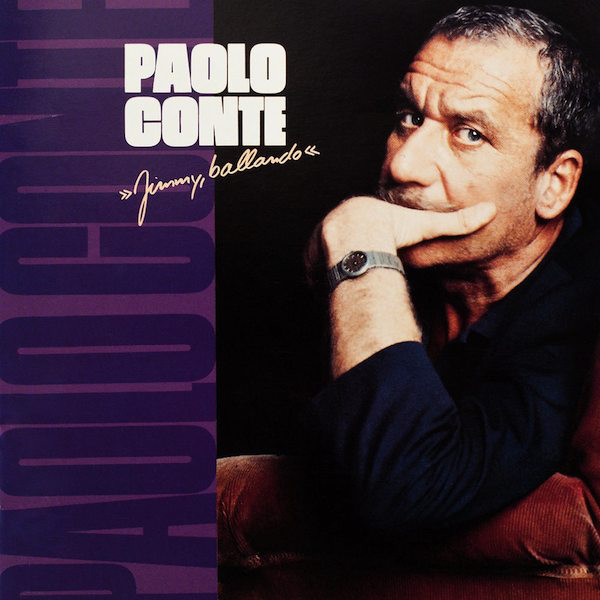
The title track serves as the opening shot of a film, the final track, "Jimmy Ballando", is a comic masterpiece in which Conte and his mate Jimmy, for old times’ sake, try one last dancehall seduction. Unfortunately, their failing eyesight prevents them from seeing that the women they invite are Chinese, thus eliminating any possibility of verbal communication. Resigned, the two men settle for dancing with their unexpected partners. A brilliant farewell to the world introduced in Aguaplano, "Jimmy Ballando" represents the slow awakening from the sleep caused by a long journey of alcohol, smoke and dancing, and the humorous realisation that you may no longer be so young, and certainly no longer up to date. But just like the atmosphere created by this album, it was magic as long as the illusion lasted.
Source: Wikipedia and Jan Liebregts Photo: Celluloide and Associazione Amici di Piero Chiara