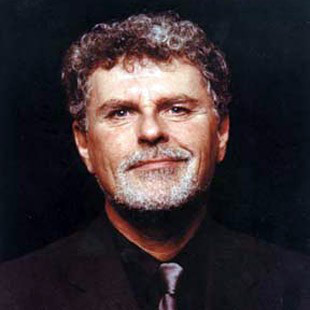
Robert Long, pseudonym of Jan Gerrit Bob Arend (Bob) Leverman (22 October 1943 – 13 December 2006), was a Dutch singer, writer, composer, cabaret artist and radio and television presenter.
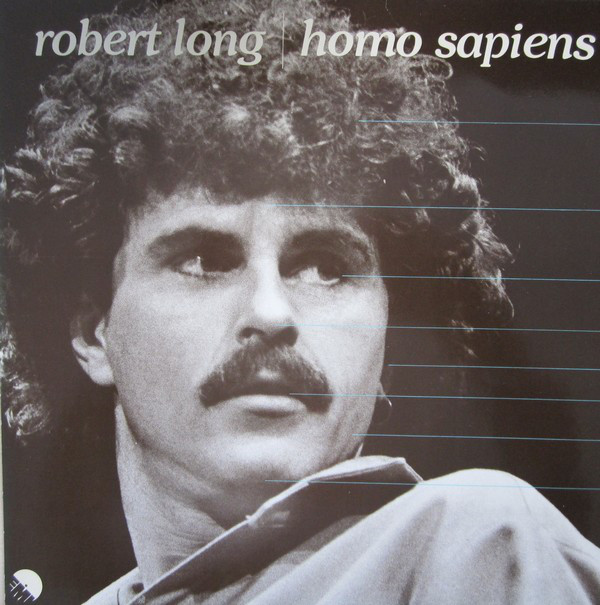
Long was born in Utrecht but grew up in Ederveen. Both he and his divorced mother often clashed with the mostly orthodox Protestant villagers. This did not improve when Long openly came out as homosexual. The resistance his sexuality provoked in his environment eventually became the driving force behind his artistic protest. He expressed this period in the album Homo sapiens with the title track of the same name and the song Perebloesem on the album Nu.
After a short career as a window dresser at HEMA, Long began performing as an artist. Under the stage name 'Bob Revvel', he founded the band The Yelping Jackals in 1963. In 1964, the name changed to Bob Revvel and the Yelping Jackals. In 1966, Long became the singer of Bob Revvel and the A-Ones, with whom the single It Takes Time was released. In 1967, he joined the band Gloria, later Unit Gloria. His English-language repertoire had, especially in light of what was to come, a relatively innocent character. Long's biggest hit with Gloria is The Last Seven Days. From 1971, he sang solo under his definitive stage name Robert Long (a name referring to his height of 1.92 metres).
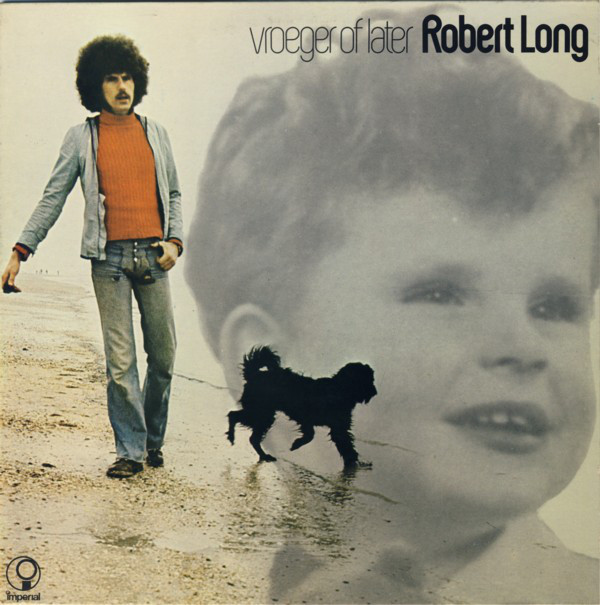
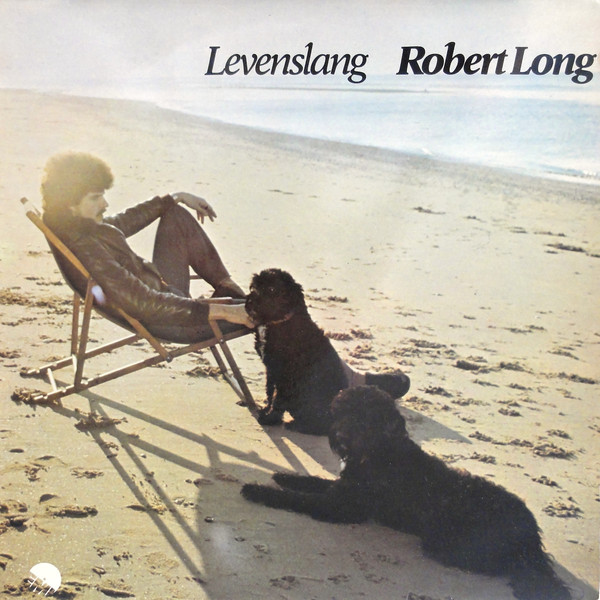
After a demo on which Long sang some of his own Dutch-language songs, he was put in contact with arranger Erik van der Wurff. Under the direction of John Möring, Long recorded his first solo LP Vroeger of later (1974). The songs were characterised by their socially critical lyrics, in which American politics and Dutch society were treated with irony. More than half a million copies of his first Dutch-language album Vroeger of later were eventually sold. It was among the best-selling albums for 118 weeks, including three times at number one. Several hundred thousand copies of his second album Levenslang, which included the song Thorbeckeplein, were also sold. In 1977, he received the first of six Edison awards.
In his songs, Long expressed the discontent that lived among large groups of young people. He was pro-environment and anti-capitalist. His fiercest lyrics were directed against the Church, the Pope and Jesus Christ himself. Anyone who puts Vroeger of later on the turntable hears, alongside romantic songs about love,
Long suffered a heart attack on 8 September 2005 and was treated with angioplasty at the Academic Medical Centre in Amsterdam. On 11 December 2006, it was announced that Long was terminally ill and had very little time left to live. In early December, he was admitted to hospital with an advanced form of peritoneal cancer. He received chemotherapy but this was quickly stopped when it became clear the treatment was ineffective. Robert Long died on 13 December 2006 at the age of 63 in a hospital in Antwerp.
Sunday Morning Classic: Vroeger of Later
On 12 July 2020, Robert was featured in our Sunday Morning Classics with the album "Vroeger of Later".
Robert Long's solo album is one of the most iconic Dutch-language LPs of the 1970s. Although Robert Long was already somewhat known as a member of the English-language pop group Unit Gloria, he definitively broke through with this record.
‘Liefste, m’n liefste’ was the opening track of Long's first Dutch-language solo album from 1974. It was advertised in newspapers that year as the Dutch-language ‘record discovery’ of the year, and was promoted through numerous performances, interviews and signing sessions. And with stunning success: after just over six months, the album had sold nearly 100,000 copies and the tally continued to rise in the following years. Current estimates reach around 400,000 copies in total.
The socially critical songs are a kind of soundtrack for the progressive part of Dutch society. Robert Long kicked against sacred cows such as the church, conservatism in politics and fought for the acceptance of homosexuality. Ten years earlier, such lyrics would have been unthinkable, but by the mid-1970s, the Dutch citizen had thoroughly emancipated and liberalised themselves. The churches, television and radio broadcasters and other social institutions such as politics and the police had undergone unprecedented rapid change since the rise of the counterculture in the mid-1960s. Ideas about (sexual and social) freedom and democratization had gradually become commonplace, and in 1974 were also politically represented by the progressive Den Uyl cabinet. Anti-bourgeois sentiment seemed to be the new norm.
From interviews Long gave in 1974, it appeared he did not want to be a political sharpener. He claimed he did not want to convey a political message with this album, which nevertheless contained several critical songs. However, he did want to present his ‘own opinion’, among other things about the Christian environment from which he came. According to him, he had been expressing contrarian ideas about faith for years, even when he was still playing in his English-language band Unit Gloria.
Vroeger of later combines catchy melodies and accessible arrangements with rich lyrics. The album has a timeless quality, perhaps mainly thanks to gentle songs about love such as ‘Afscheid’ and ‘Kalverliefde’.
Source: Wikipedia and Jan Liebregts
Visit the website of Robert Long here