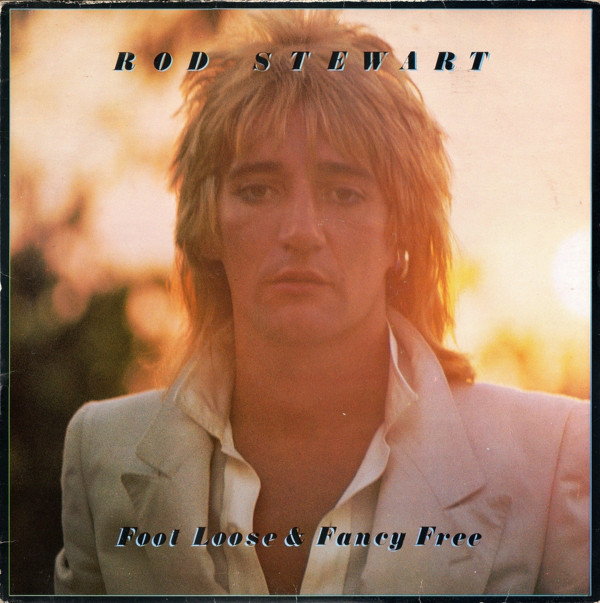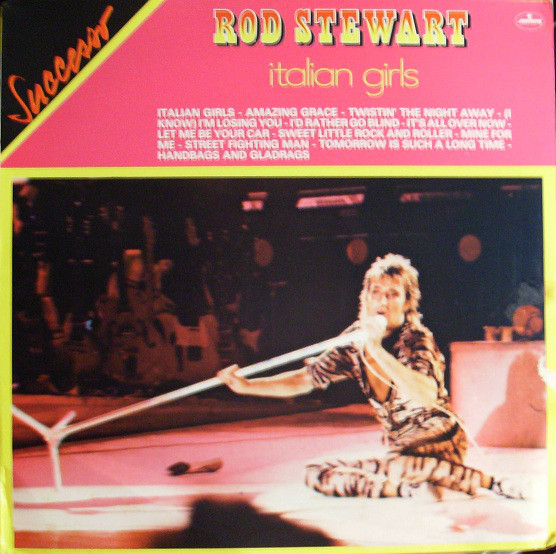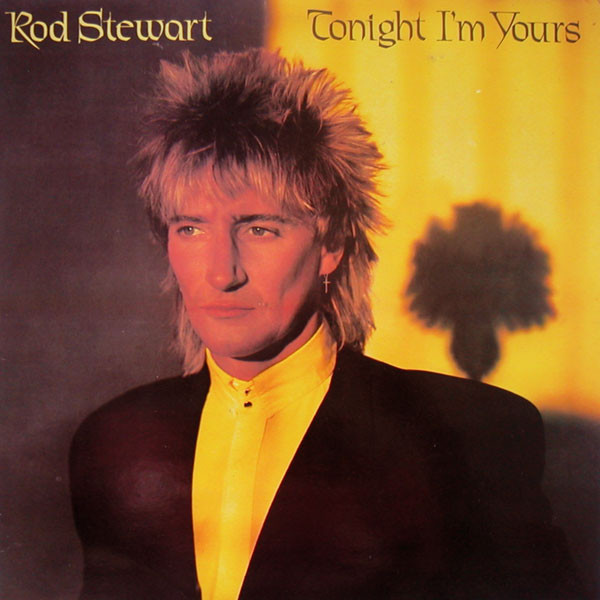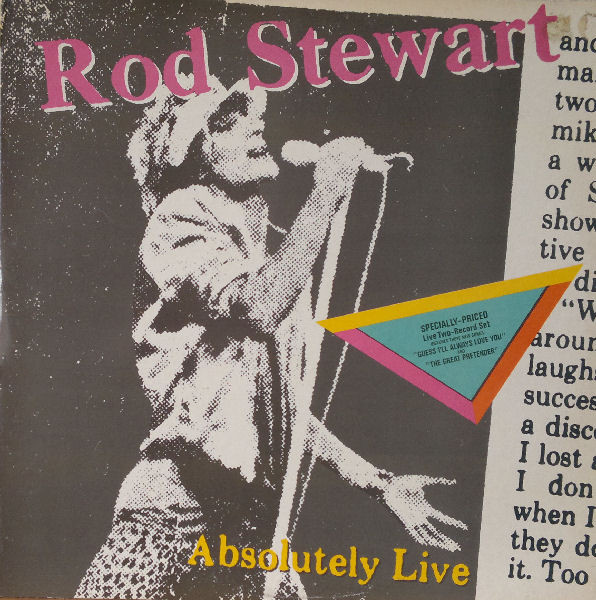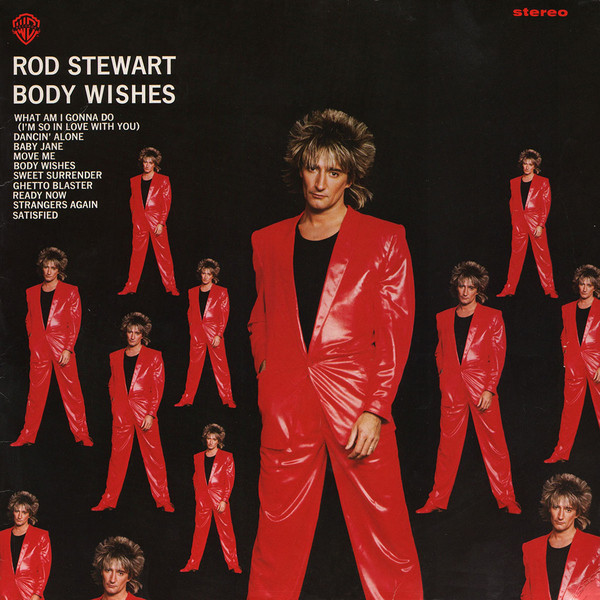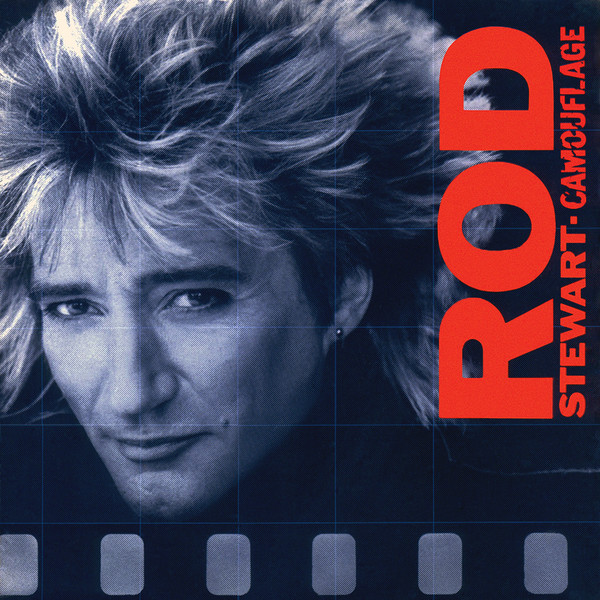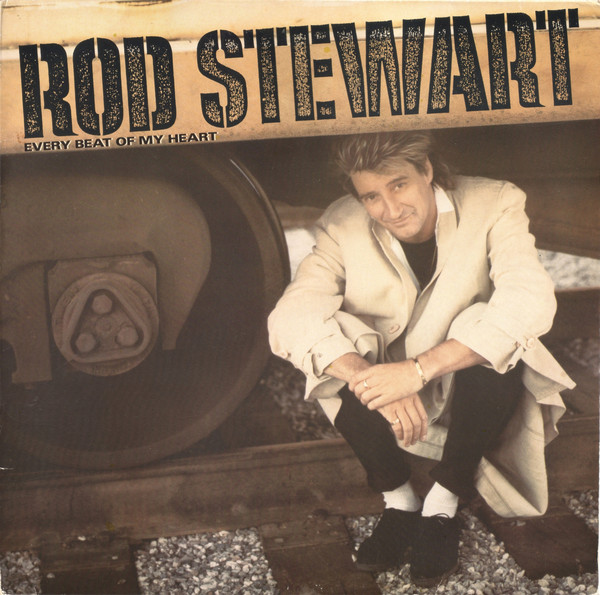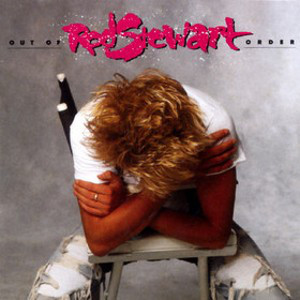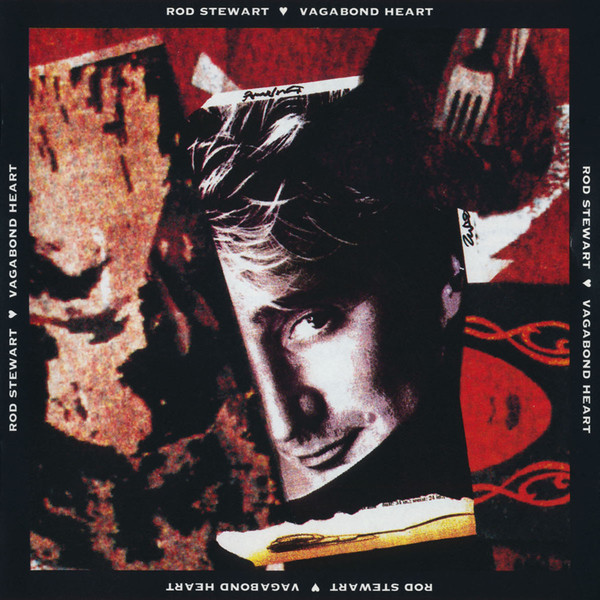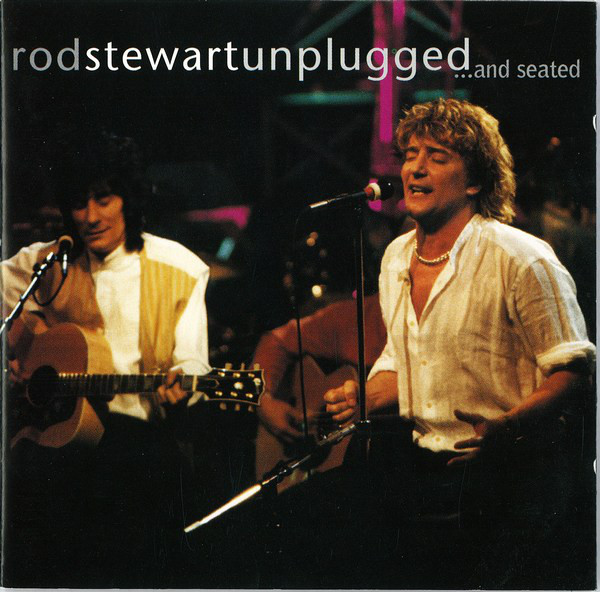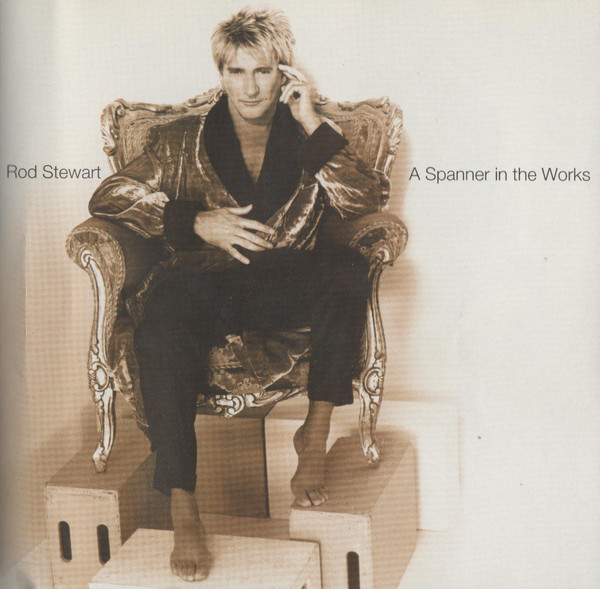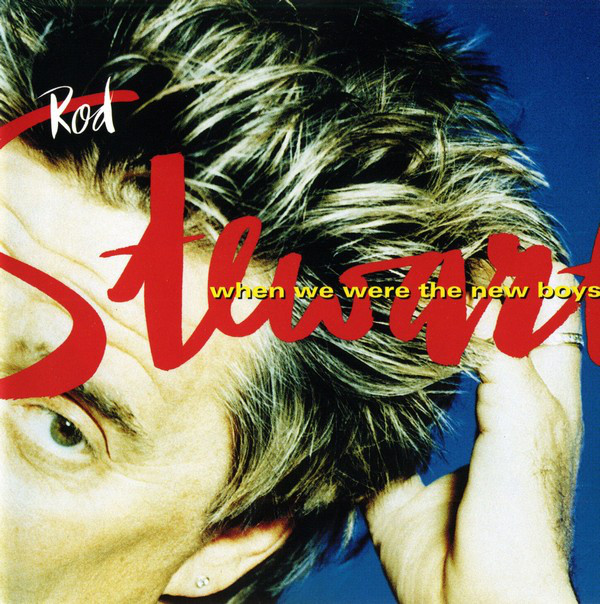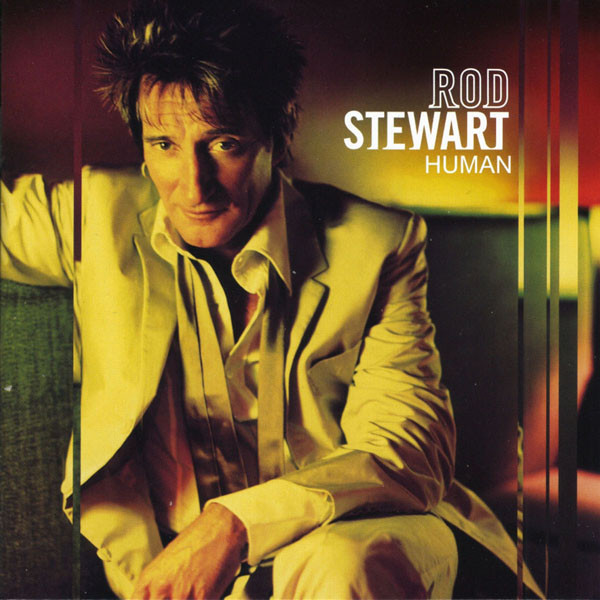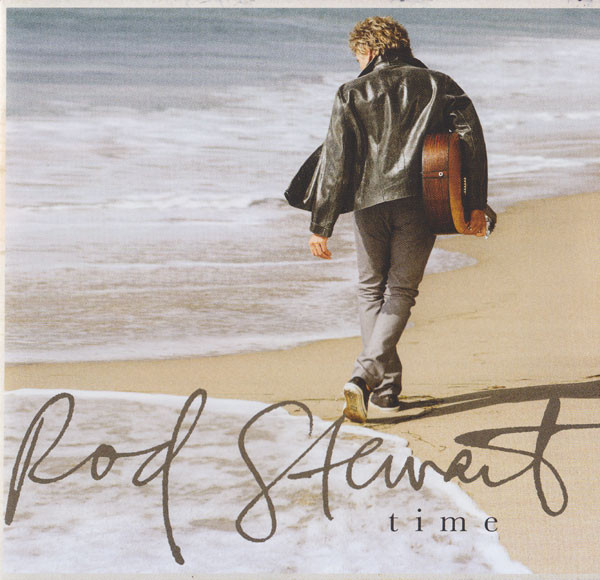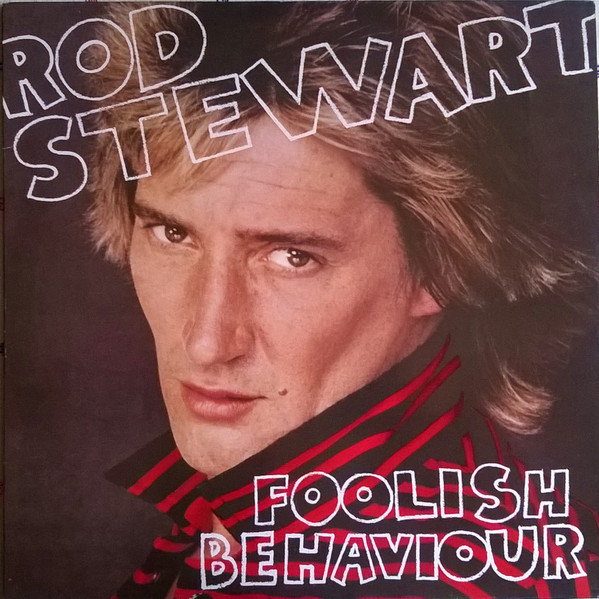
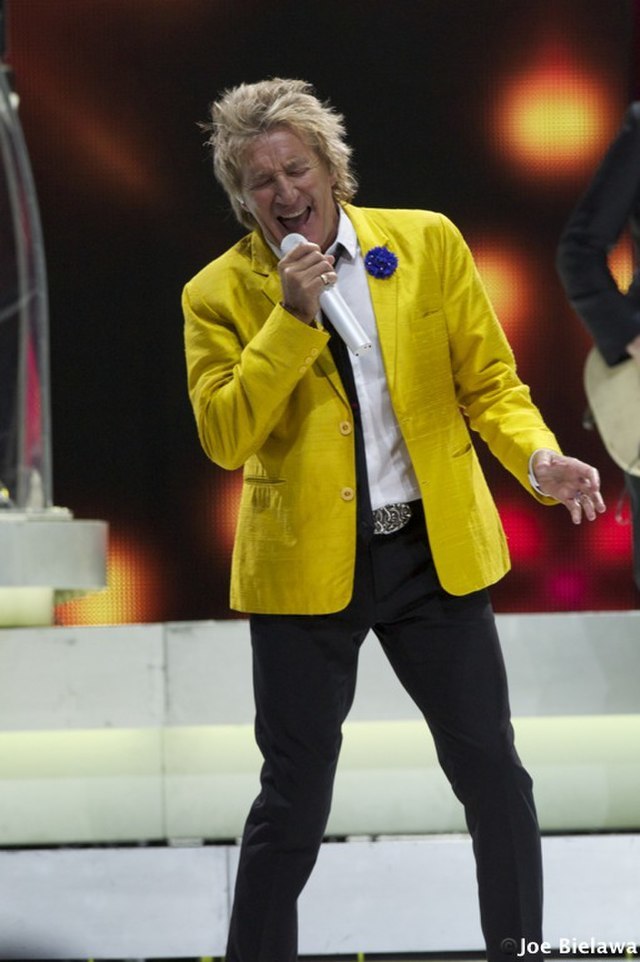
Sir Roderick David (Rod) Stewart (10 January 1945) is a British rock singer known for his raw, bluesy voice. He is often called the white man with the black voice or sometimes the last "song and dance man" because of his stage personality. Over 100 million records of his have been sold.
At a young age, Stewart wanted to become a footballer and played for a while at Brentford FC. He worked as a gravedigger, fence builder, and delivery man, among other jobs. In the early sixties, his music career began when he joined folk singer Wizz Jones as a street musician. He was discovered at Twickenham station by Long John Baldry. From 1964, he performed frequently with Shotgun Express, Steampacket, Long John Baldry, Julie Driscoll, and Alexis Korner. Rumour has it that in 1964 he played harmonica on the song "My Boy Lollipop" by Jamaican ska singer Millie Small, but in reality, it was Pete Hogman who played the harmonica. He remained relatively unknown until he joined the Jeff Beck Group in 1967 with virtuoso guitarist Jeff Beck, bassist Ron Wood (Rolling Stones), and drummers Aynsley Dunbar and Micky Waller.
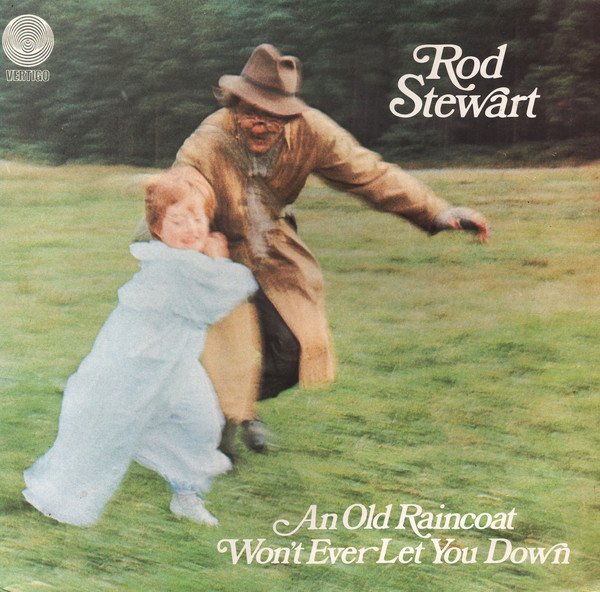
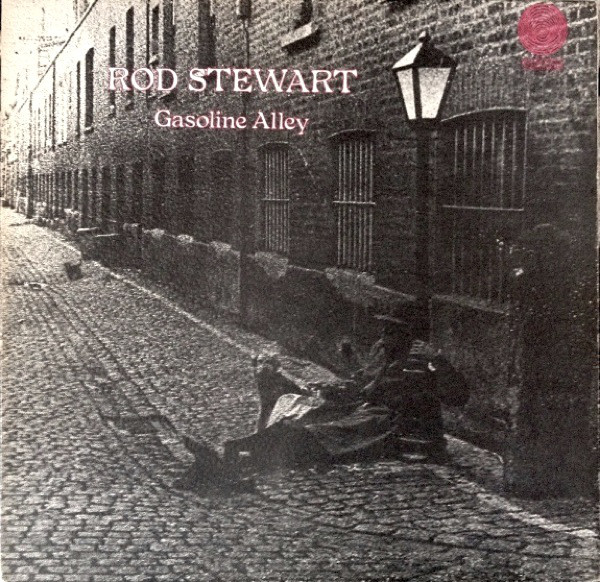
In 1969, he left the Jeff Beck Group to join The Faces with Ron Wood. That same year, he released a solo album, An Old Raincoat Won't Ever Let You Down, and with The Faces, the album First Step. In 1970, his second solo album Gasoline Alley was released, along with The Faces' Long Player.
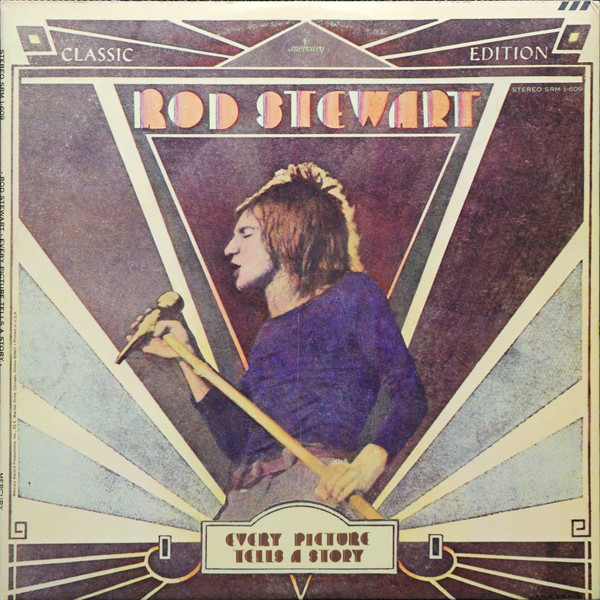
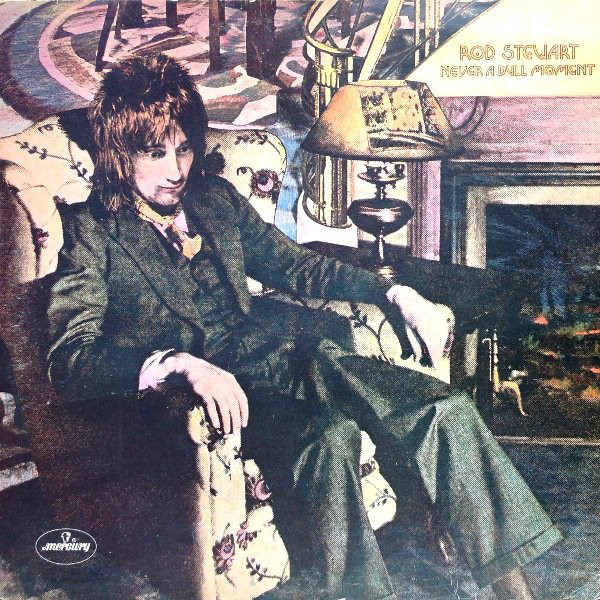
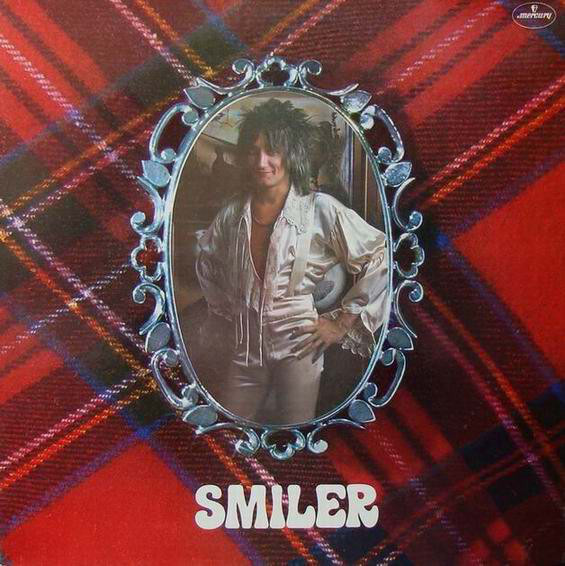
The albums An Old Raincoat, Gasoline Alley, Never A Dull Moment, Smiler, A Nod's As Good As A Wink To A Blind Horse, and Ooh La La are considered important rock albums by Rolling Stone Magazine. After the period when Rod Stewart was at his most popular, according to the global music press, he was not at his most creative.
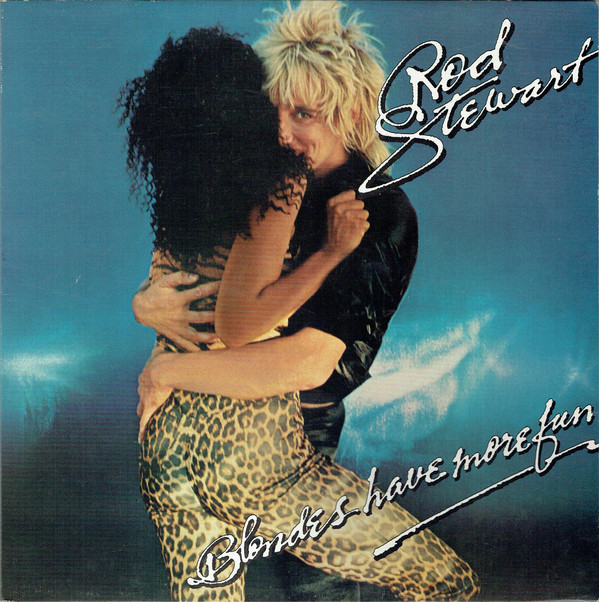
At the end of 1978, he had a hit from the album Blondes Have More Fun with the song Do Ya Think I'm Sexy?, probably the most criticised song of his career, which became a number 1 hit worldwide. However, it brought Stewart no financial gain, as all rights were donated to the UNICEF children's fund.
Rod Stewart solo and especially Rod Stewart with The Faces are cited by many artists as their great example, including Alanis Morissette, The Black Crowes, Stereophonics, Pearl Jam (who even borrowed some riffs from The Faces), and even Rage Against the Machine.
Rod Stewart himself is a great admirer of singer and actor Elvis Presley. He once said: "Elvis was and still is The King and will always remain so, that is beyond doubt. People like myself, Mick Jagger, and all the others only followed in his footsteps." His great influences also include Sam Cooke, Otis Redding, and Aretha Franklin, from whom he adapted Natural Woman into Natural Man for his 1974 album Smiler.
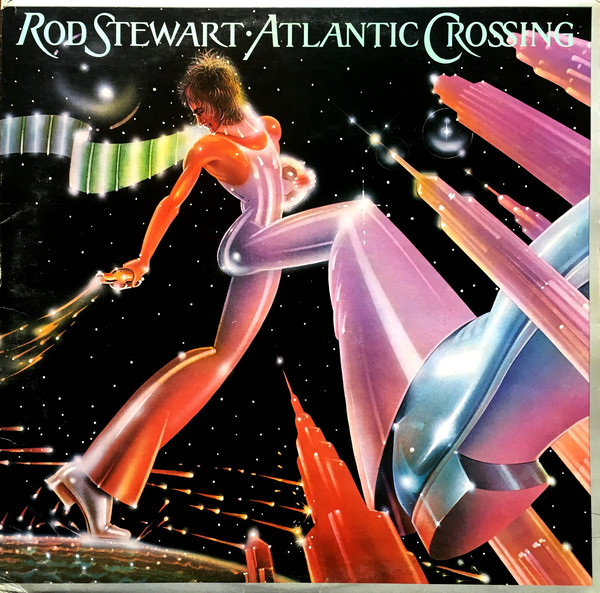
Sunday Morning Classic: Atlantic Crossing
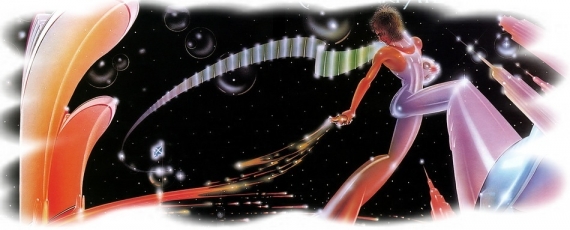
On 5 July, the album Atlantic Crossing was on our turntable during the Sunday Morning Classics.
"Rod Stewart's sixth album was called Atlantic Crossing because the singer literally crossed the Atlantic Ocean, making America his new home for matters of the heart (he was then completely smitten with actress Britt Ekland) and the wallet (he was eager to escape the restrictive tax rates of Great Britain). Coincidentally, 1975 was a perfect time for a fresh start for Stewart: The Faces were breaking up, his last LP, Smiler, was not widely loved, and he had ended his contract with Mercury and signed with Warner, hiring legendary producer Tom Dowd to guide him through a slick, streamlined renewal of his distinctive sound. The first thing to be discarded was all traces of the scruffy folk that appeared on all his first five solo albums, including his hit "Maggie May."
Without those jangling acoustic guitars, Dowd and Stewart set rock 'n' roll, soul, and whisky-soaked ballads in motion. They first tried recording the album with the MG's and then expanded this core group with other studio pros who could easily settle into a smooth, polished groove. The results were sparkling without being flashy and soulful without being grainy, an impressive makeover for Stewart who greatly benefited from a series of great songs, both originals and covers. It is telling that all the great originals arrive on the first side, called "The Fast Half," with Rod writing sizzlingly, singing funny rockers ("Three Time Loser") and showing unwanted sobriety ("Stone Cold Sober"), then retreating for a quick romance on the Jesse Ed Davis co-written "Alright for an Hour."
All good signs that his heart was still at a party. But the "Slow Half" revealed that Stewart had lost none of his fine, nuanced interpretative skills, as he tore into Danny Whitten's "I Don't Want to Talk About It," made his first attempt at "This Old Heart of Mine," and ensured "Sailing" did not slip into sentimentality. Together, the two halves might have shown a somewhat slicker Stewart, but he was still the same old Rod with a big, too big heart and an irresistible naughty grin. Even if you're not a fan of Rod Stewart, I find Atlantic Crossing a fantastic album with plenty of variety and highlights. It is brilliantly produced (by Tom Dowd), and Stewart gives his best on every track. Atlantic Crossing is not often talked about, but I think it's a fine album."
Source: Wikipedia and Jan Liebregts
Visit Rod's website here.
Photo: Joe Bielawa and Rodstewartonair