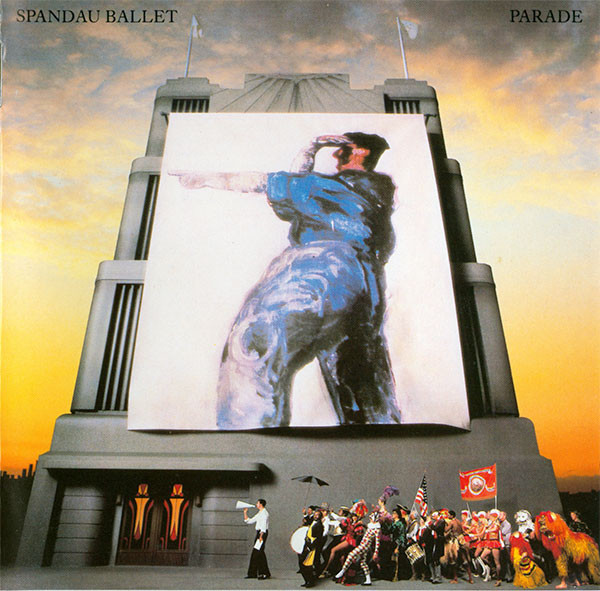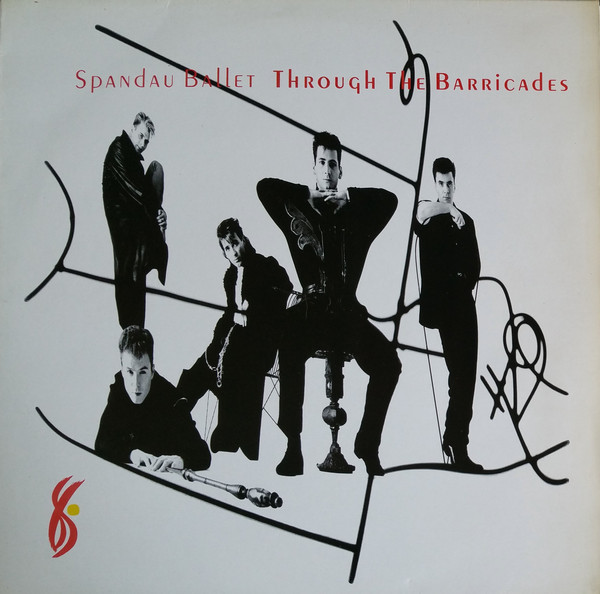
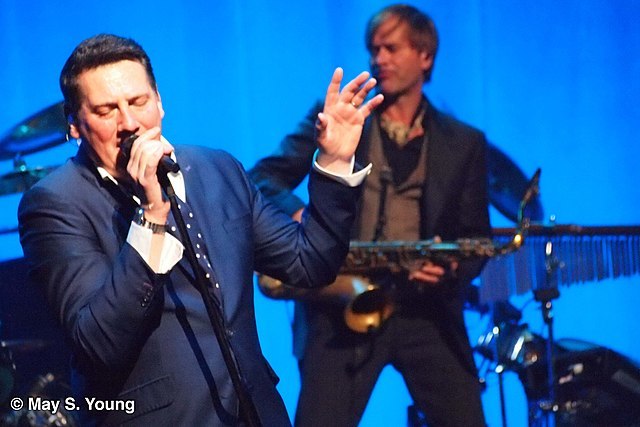
Spandau Ballet is a British new romantic pop group that scored a dozen hits in the 1980s. The band was founded in 1976 by singer and lyricist Gary Kemp (born 16 October 1959) and guitarist Steve Norman (born 25 March 1960), two school friends with a shared taste in music. They were soon joined by drummer John Keeble (born 6 July 1959), bassist Michael Ellison (quickly replaced by Richard Miller), and singer Tony Hadley (born 2 June 1960).
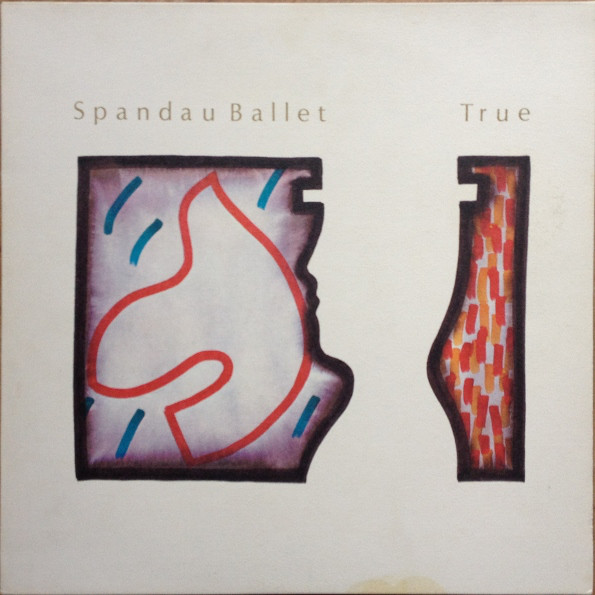
In 1980 they released their debut single 'To Cut A Long Story Short'. A year later came their album Journeys To Glory, which received much praise. That same year the band scored a hit with their single 'Chant No. 1'. The band made a real breakthrough when they appeared in smart suits and released their album True. There was a change in band members and a backing choir toured with the men.
In 1988 the single 'Raw' was released. After the single, the Kemp brothers appeared in a gangster film and music-making came to a halt for a while. A year later the band split up, officially or not.
In March 2015 the band gave their last concert in the Netherlands with Tony Hadley. In early July 2017 he announced his departure "due to circumstances beyond my control". The other members had already been informed in September 2016. Tony Hadley was replaced by Ross William Wilde, a young singer/actor. On 7 July 2018 he was introduced to the public, followed by a tour that visited the Netherlands on 27 and 28 October 2018. Five months later this line-up was also history.
Sunday morning classic: True
On 2 May 2021 the men of Spandau Ballet were our Sunday Morning Classics with the 1983 album "True".
Spandau Ballet is a somewhat peculiar band in terms of popularity. At the forefront of the New Romantic movement of the 80s, Spandau Ballet's success was a mixed bag. They entered the British charts in 1980 with the song 'To Cut A Long Story Short' (the only good track on their debut album, Journeys To Glory), to achieve mixed results with their follow-up Diamond, which was much stronger as a whole but did not achieve much chart success. Hence we come to True, which showed a stylistic change in the band's sound and image, for a sleek, mature contemporary feel in the vein of the Make it Big era. The album's singles enjoyed international success and it was the last (and perhaps only) album to receive critical acclaim.
Like many other pop albums from the 80s, True was written with a specific goal in mind: to get singles into the charts. As an album as a whole, this results in a rather uniform set of songs in terms of sound and composition, though not necessarily bad songs in themselves. All these songs are essentially driven by synth sounds and bouncy basslines, allowing singer Tony Hadley to be front and centre in the mix. Unfortunately, there is so little variation in this sound combined with a strong dogma to follow the traditional pop song structure that this album only works in doses.
That said, the band managed to churn out two fantastic songs. 'Gold' more or less makes up for the repetitive songwriting and shows the best vocal performance on the album (though also some of the cheapest backing vocals you'll ever hear). The band's biggest hit, 'True', is essentially a tribute to the Marvin Gaye sound, and is a nice break because it has a somewhat different sound from the rest of the album as it is very relaxed.
The weaker tracks like 'Lifeline' and 'Foundation' don't work due to the faster, upbeat tempo the band wanted to give these songs, and the annoying layering and/or backing vocals don't help either. While the band gets points for effort, they are simply much more effective when Hadley can sing his lungs out and hold on as he pleases. Although this is Spandau Ballet's best studio album, casual fans of the band are better off buying Gold: The Best of Spandau Ballet, a collection of their greatest hits.
Source: NPO, Jan Liebregst and Wikipedia Photo: Andrew Hurley and May S. Young