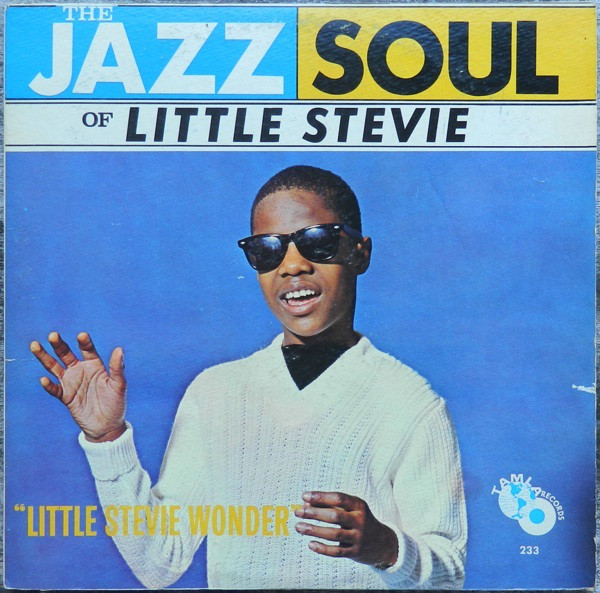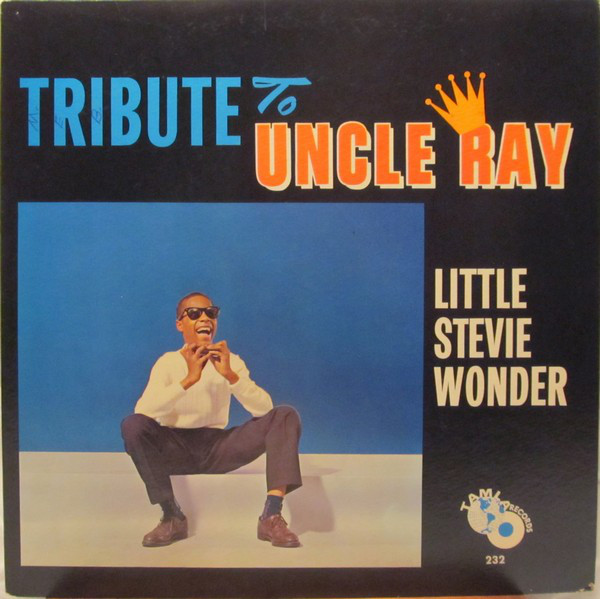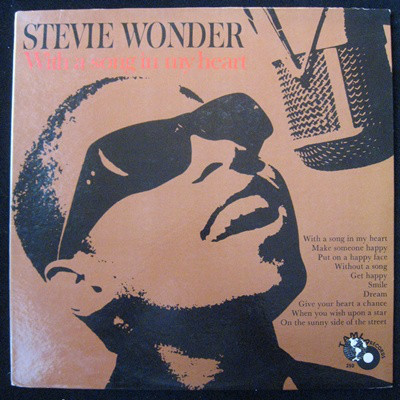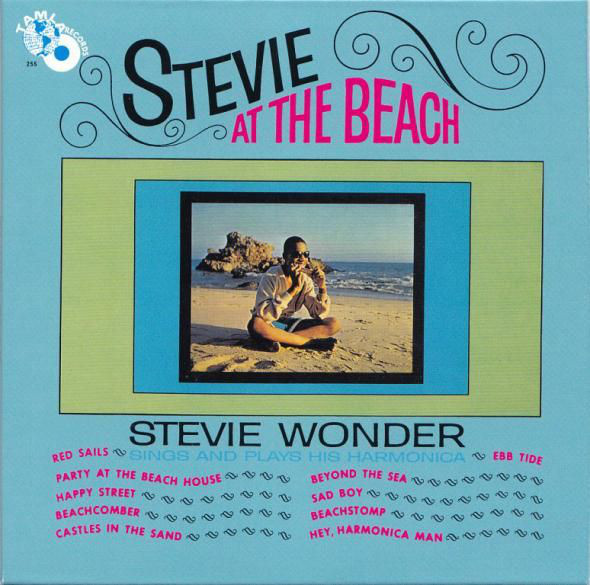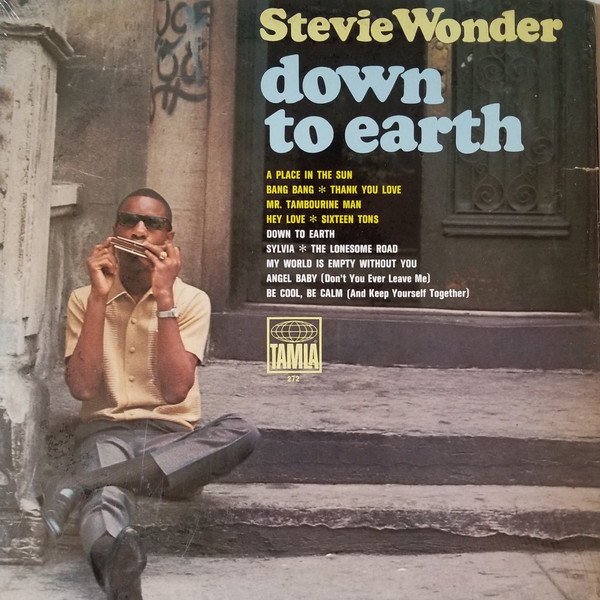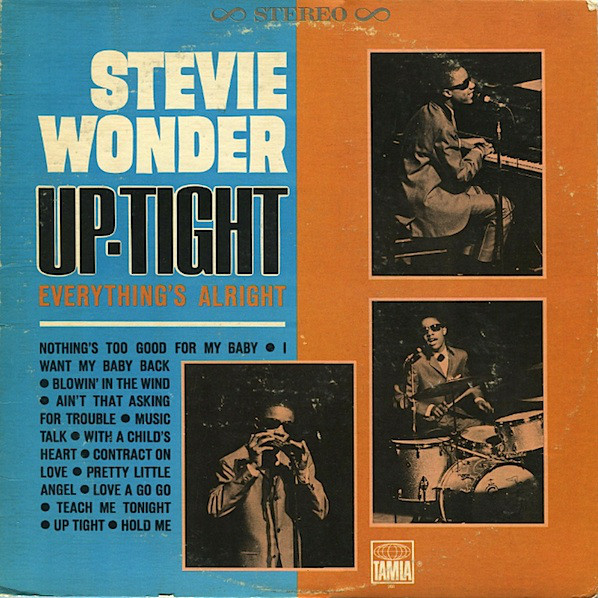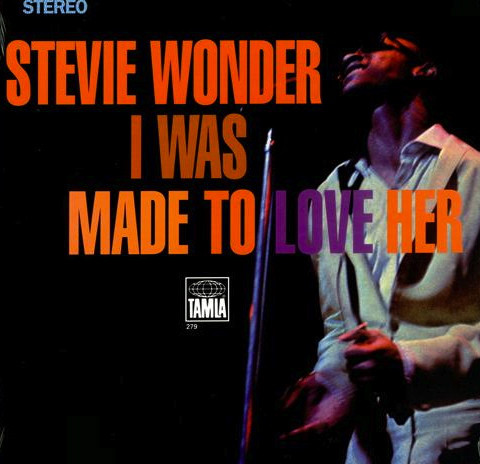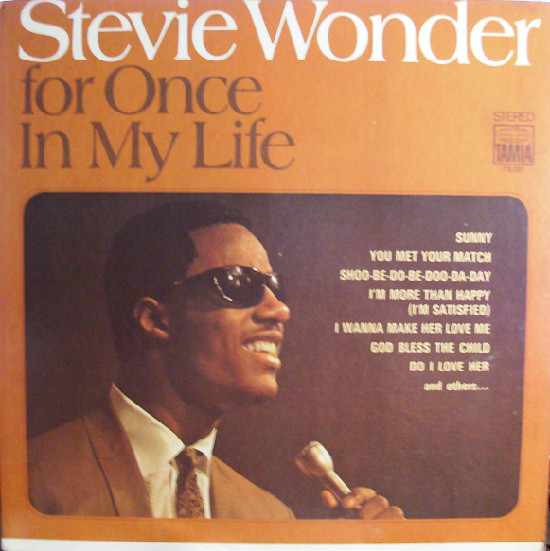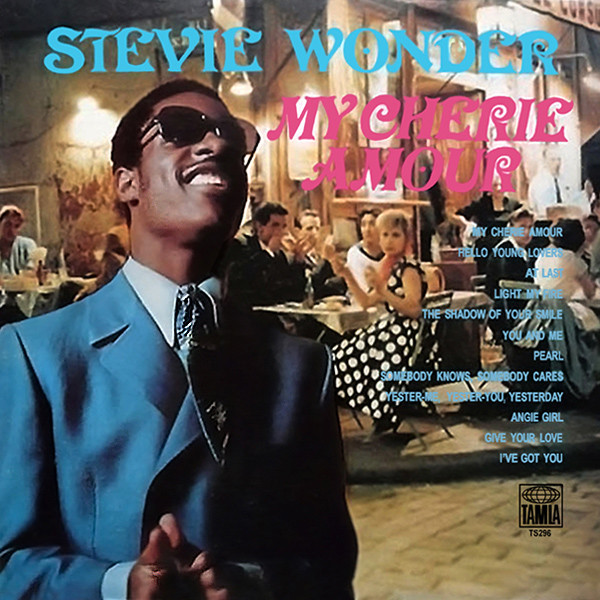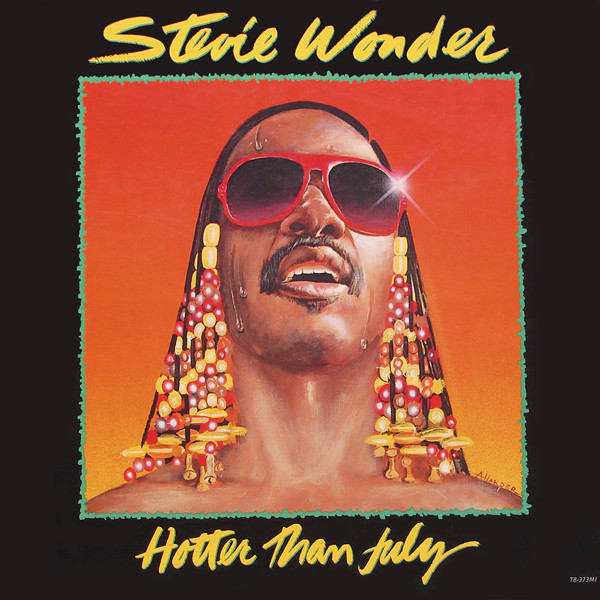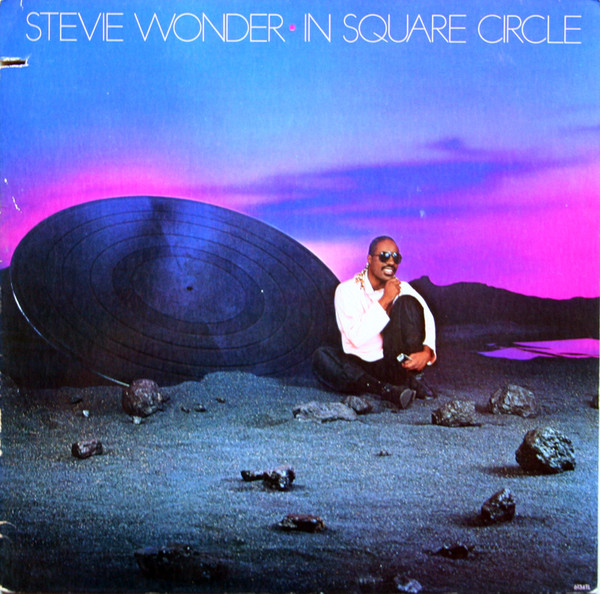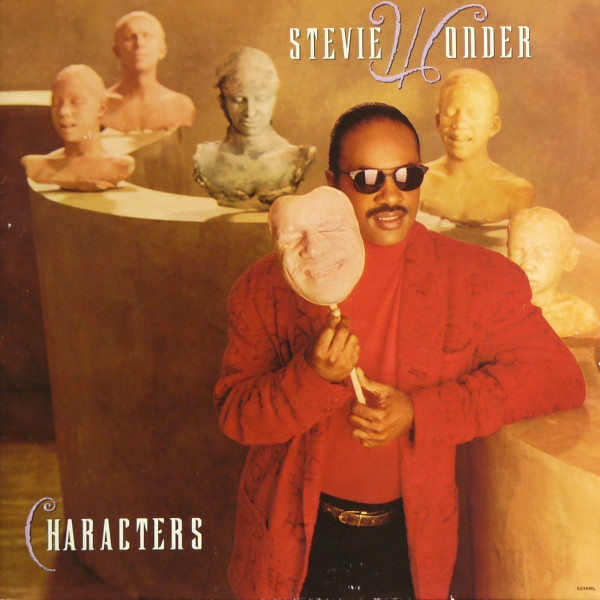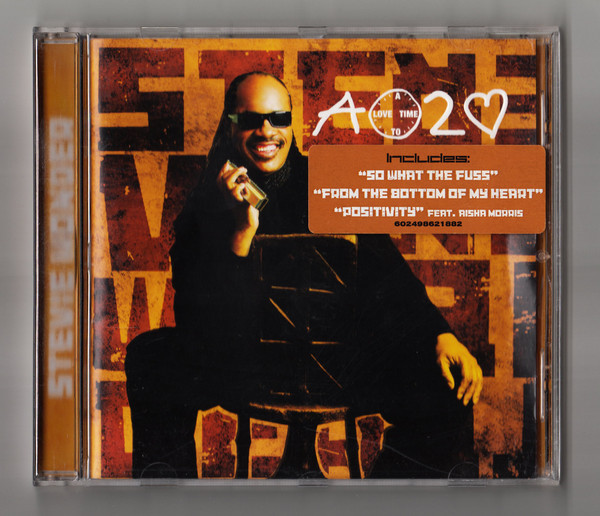
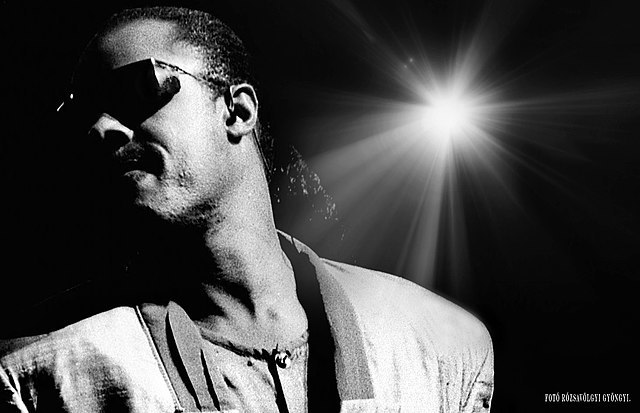
Stevie Wonder (born 13 May 1950) is one of the most important black American pop singers and composers of the 20th century. Stevie was born blind. However, he turned this handicap into boundless musical creativity, encouraged in his youth by his uncle, the legendary pop and jazz musician Ray Charles ("Hit The Road Jack", "Busted"). He too had become blind as a child and knew all too well what such a setback meant.
Stevie Wonder showed great musical talent early on. He could play melodies on a simple harmonica after hearing them. He also quickly became familiar with the piano and other instruments, all entirely by feel. It was astonishing. Uncle Ray Charles introduced him to the Motown record company in Detroit, where Stevie, as "Little Stevie Wonder" and only 13 years old, scored his first big hit in 1963, "Fingertips (pt. 2)", which reached number one in the US Top 100 in August that year. "Fingertips" refers to Braille, which allows blind people to read with their fingertips. After that hit, and others like "Uptight", "For Once In My Life" and "My Cherie Amour", Stevie quickly became an indispensable figure in the world of pop music.
Sunday Morning Classic
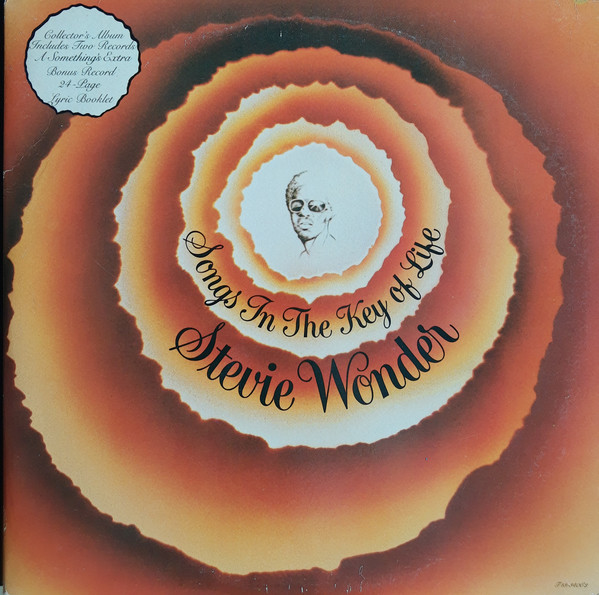
On 14 July 2019, the album "Songs in the Key of Life" was on our turntable during the Sunday Morning Classics.
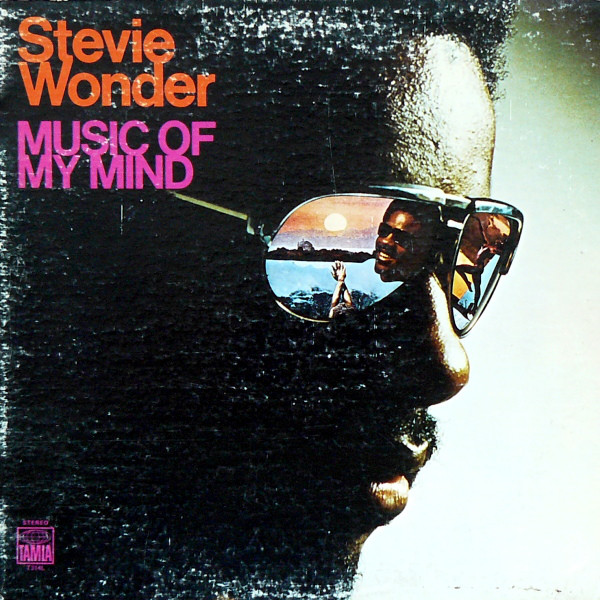
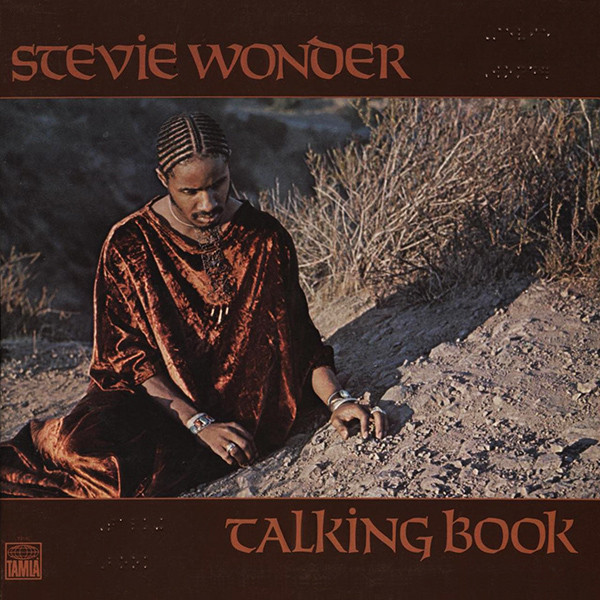
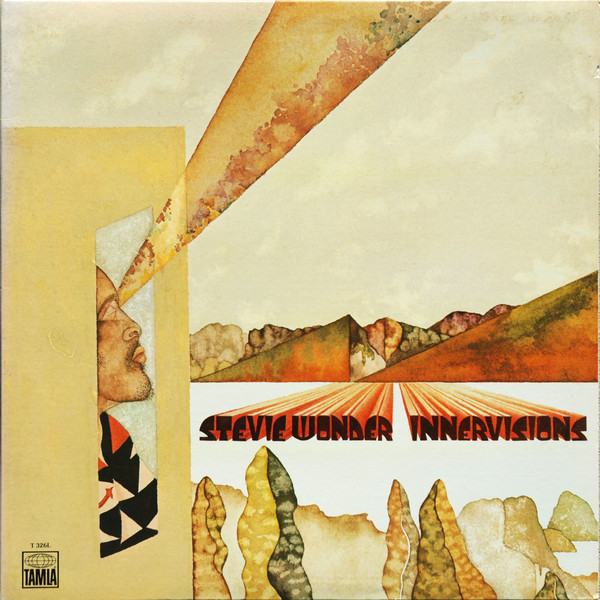
This album comes from a well-known classic period which also includes predecessors Music Of My Mind, Talking Book, Innervisions and Fulfillingness' First Finale. It was the time when he shook off the tight constraints of Motown, which until then had limited his creativity and weighed like a yoke on his shoulders, and negotiated a new contract. On these albums, he completely determined the artistic content himself, and as Motown realised that his approach worked and huge numbers of his albums were sold, the big label eventually accepted it.
Songs In The Key Of Life, the fifth album in this series, was released in 1976 as a double LP combined with an EP. The EP is titled A Something’s Extra For Songs In The Key Of Life. For the younger among us: an EP is the size of a 7-inch record and is played at the speed of an LP. The EP contains four songs, bringing the total on this album to 21 songs. Stevie was only 26 years old when the album, after nearly three years of preparation, finally came out and it was a huge success.
It is a complete microcosm of black music with a unique mix of soul, R&B, jazz and pop. Instrumentally, every track is more than interesting, even though the compositions vary greatly. One song is defined by the Rhodes sound, the next by a typical funky bass melody, and then electronics take centre stage. Although this is not a ‘best of’ album, many of the musical lines will be familiar to you. For example, the ode to Duke Ellington, Sir Duke, with its delightful brass intro. Or the samba rhythm in Another Star. Not to mention (the hit?) Isn’t She Lovely, in which Stevie exuberantly sings about his daughter. Instrumentally, all are very strong.
As for the lyrics, I personally find it a different story. The subjects are mainly love and sorrow, but also more specific childhood memories including scenes from the ghetto. At times, the lyrics are very basic and feelings of love come across very purely; at other times, the preachy tone puts me off, as in Black Man. The lyrics are printed in full in the booklet. On the twenty-three described pages, alongside many acknowledgements, each song lists all those who contributed to the album.
Notably, Stevie played all the instruments himself many times, but some big names are also mentioned. Such as George Benson, who plays guitar and is one of the backing vocals on Another Star, Herbie Hancock, who can be heard on keyboards and handclaps in As, and Minnie Riperton, who provides one of the background vocals in Ordinary Pain.
In 2006, George Michael, together with Mary J. Blige, brought "As" back from the record collection. With a new arrangement but a clearly recognisable sound, they made a significant contribution to Stevie Wonder's royalties.
source: Wikikids and Jan Liebregts photo: Motown Records and Rózsavölgyi Gyöngyi photographer, photojournalist