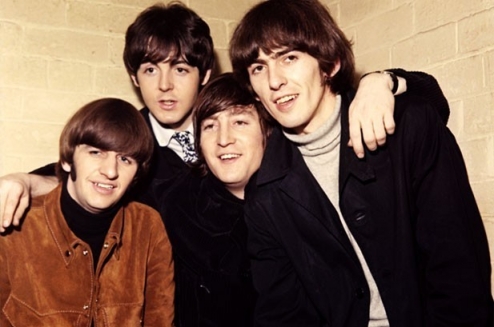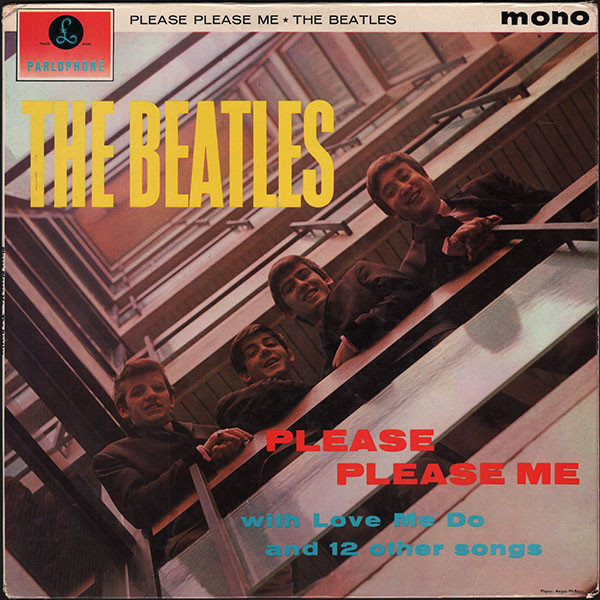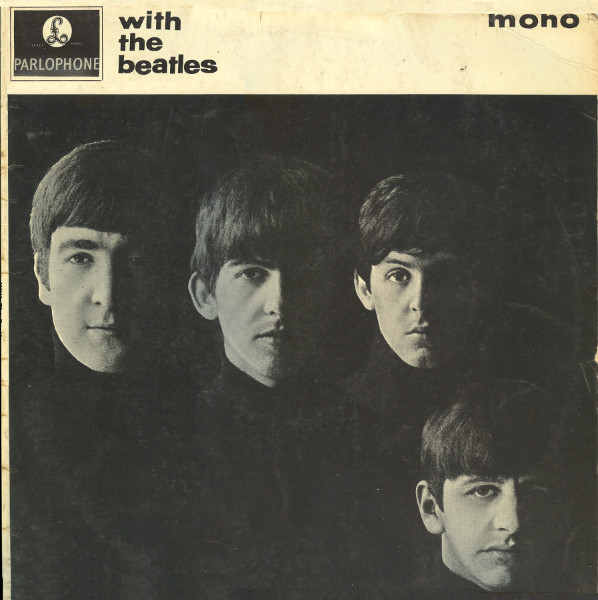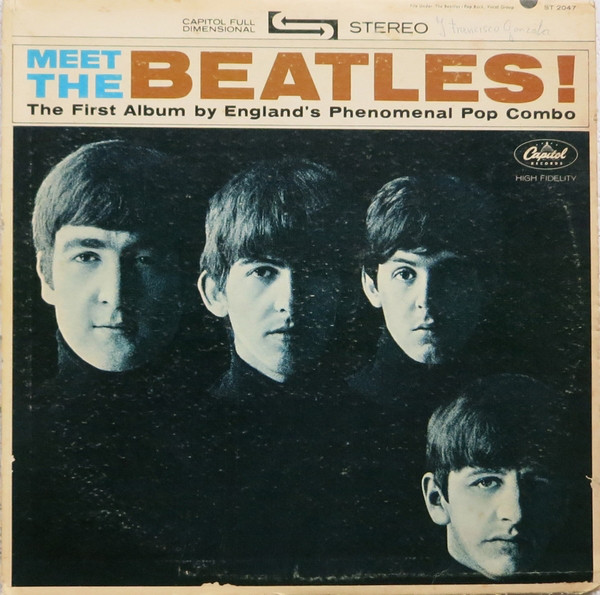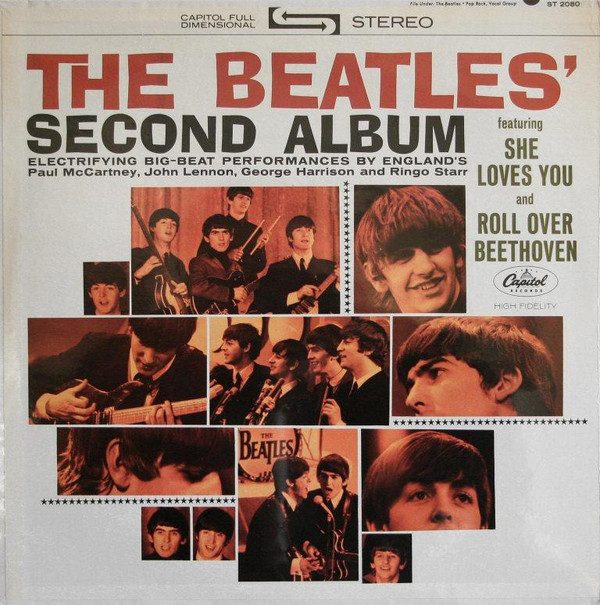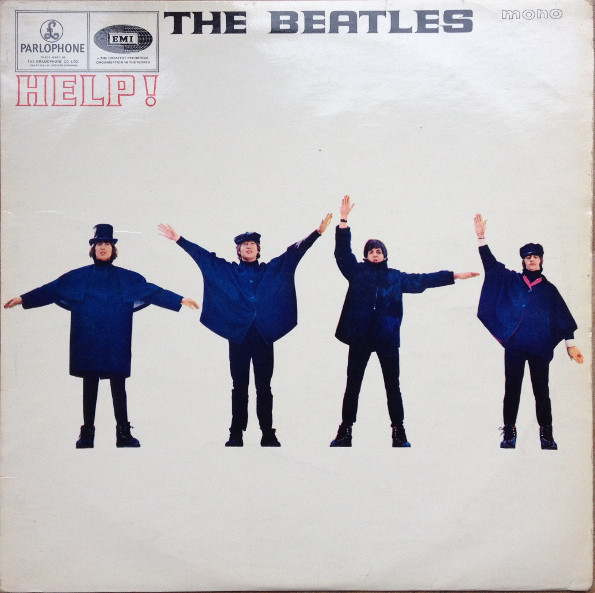
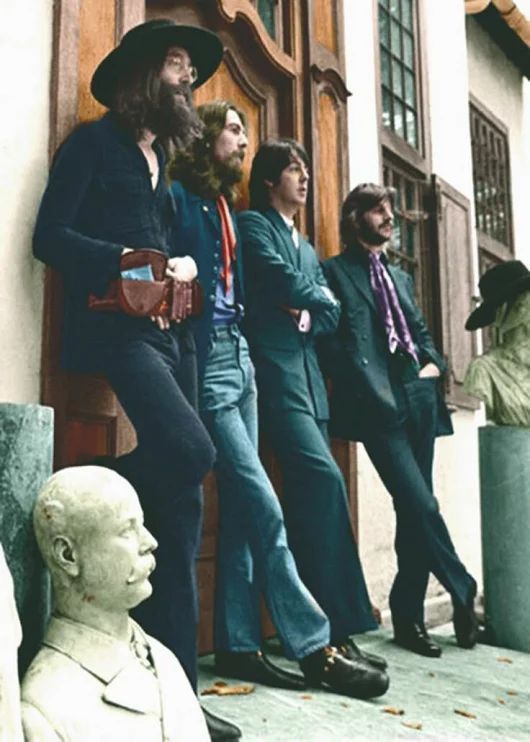
There is an enormous amount to write about The Beatles. In 2009, I met Frank Zwijnenberg. Together, we served on the board of the Tower Festival. Frank is a true fan, and I asked him to write a piece about his favourite band.
"In 1963, I was confronted with a new and fresh sound, that of The Beatles. Their music made me happy (and still does), offering comfort in difficult times. It's incredible how the voices of John Lennon and Paul McCartney harmonise. I am certainly also a fan of The Rolling Stones, but The Beatles are firmly at the top, and no other band has come close to that to this day.
They played unusual and unexpected chords that had never been heard before. The common thread was the occasional chords with their accidental, scale-foreign notes, which were initially kept in check but later took on an increasingly full musical role of their own.
Yesterday. At the start of the song, you immediately hear a modulation. The verse has seven bars and is therefore actually missing one: 'simple' but brilliant.
Another thing that makes The Beatles so special is Ringo Starr. He is a left-handed drummer who plays on a right-handed oriented kit. This naturally makes his patterns unique and often harder to replicate than they initially seem. Dave Grohl of the Foo Fighters once said: “Without Ringo, The Beatles wouldn’t have sounded like The Beatles, and if The Beatles hadn’t sounded like that, we wouldn’t be talking about them now.”
Paul McCartney is still active and tours all over the world. I have now seen Paul live twice, and, health permitting, I will see him for the third (and probably last) time in 2020.
The Beatles
The Beatles were a pop group from the English city of Liverpool. The group was active from 1960 to 1970 and is generally regarded as the most influential band in the history of pop music. The lineup consisted of John Lennon, Paul McCartney, George Harrison and Ringo Starr; earlier members were Stuart Sutcliffe and Pete Best. Soon after their breakthrough, the members of The Beatles experienced hysterical reactions mainly from young teenage girls, who drowned out the music with their screams during concerts. The term “Beatlemania” came into use to describe this behaviour. During their career, they pioneered work in the recording studio, for which they received widespread praise. Under their influence, pop music evolved from a genre based on American rhythm and blues to a much broader musical style. With the development and refinement of their music, led by the songwriting duo Lennon-McCartney, The Beatles increasingly came to be seen as embodying the shared ideals of the socio-cultural revolutions of the 1960s.
The Beatles members John Lennon and Paul McCartney were the main songwriters of the quartet. In their early years, The Beatles received singles from Carl Perkins via sailors. They played them back at a slower speed to find out what Carl Perkins was singing. In this way, they covered songs including Everybody's Trying to be my baby, Honey Don't and Matchbox. Paul McCartney called him in the documentary Carl Perkins and Paul McCartney Rareza; "a great inspiration for him, all the Beatles and millions of English youths."
Other American artists they admired and considered sources of inspiration were Chuck Berry, Little Richard, Fats Domino, Elvis Presley, The Everly Brothers, Buddy Holly, the songwriter Smokey Robinson and, after 1964, the folk singer-songwriter Bob Dylan as well as Harry Nilsson.
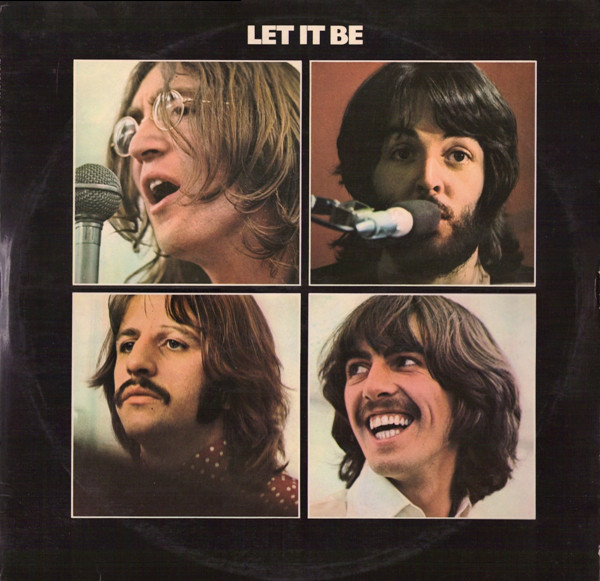
Among the best-known songs by The Beatles are: I Want to Hold Your Hand, She Loves You, Yesterday, Michelle, Yellow Submarine, Lucy in the Sky with Diamonds, All You Need Is Love, Hey Jude, Let It Be, Help!, Penny Lane, In My Life, Here Comes the Sun and Strawberry Fields Forever.
The Beatles are to date the best-selling band in history, with an estimated sales of more than 600 million records worldwide. The group tops the list of the most successful ‘Hot 100’ artists of all time by the American Billboard Magazine; in 2015, the group held the record for the most number-one hits on the Billboard Hot 100 chart with twenty. The Beatles received ten Grammy Awards, an Oscar for best original music and fifteen Ivor Novello Awards. Collectively, The Beatles were included in 'Time 100: The Most Important People of the Century', a compilation of the 100 most influential people of the twentieth century by Time magazine. The Beatles rank number 1 on the list of the 100 most influential artists compiled by the American music magazine Rolling Stone. The group was inducted into the Rock and Roll Hall of Fame in 1988, and all four members individually between 1994 and 2015.
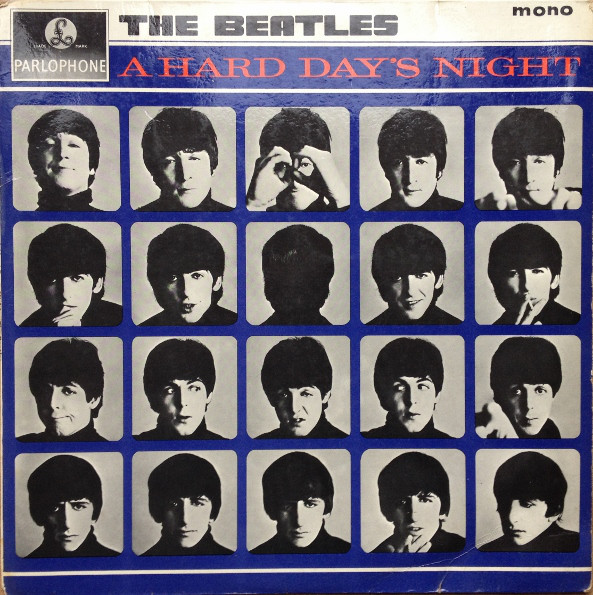
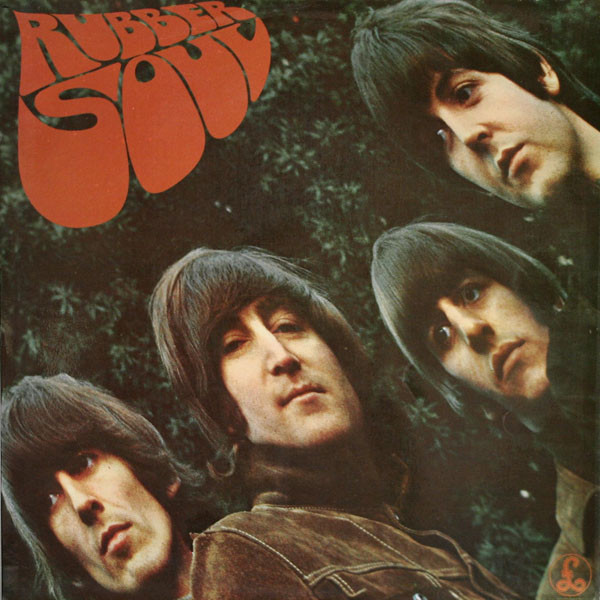
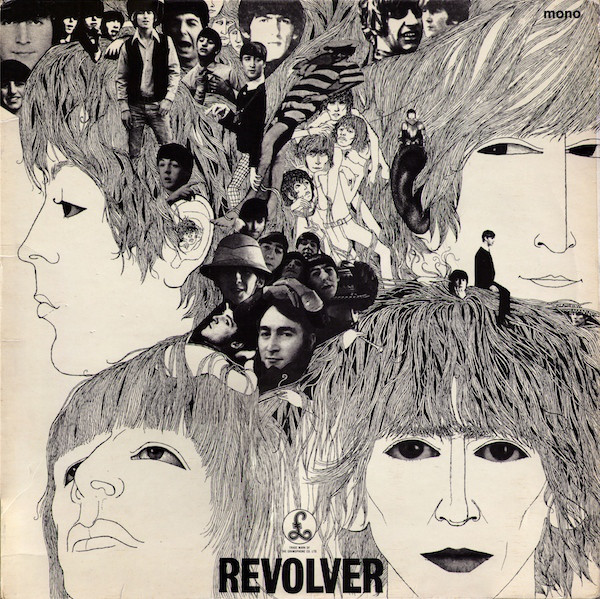
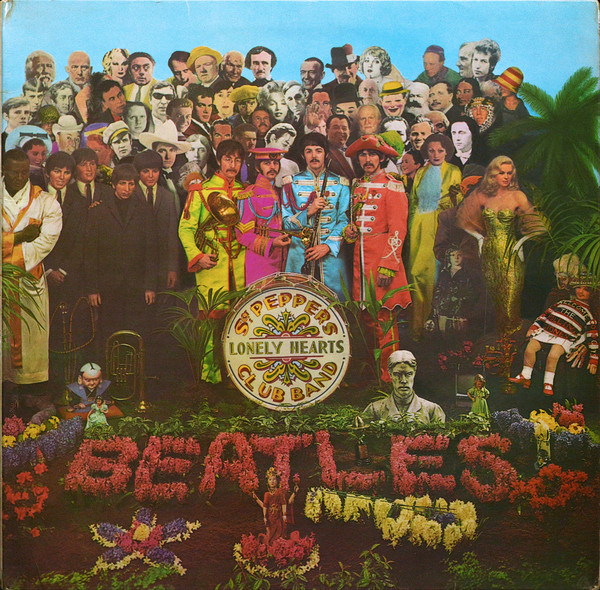
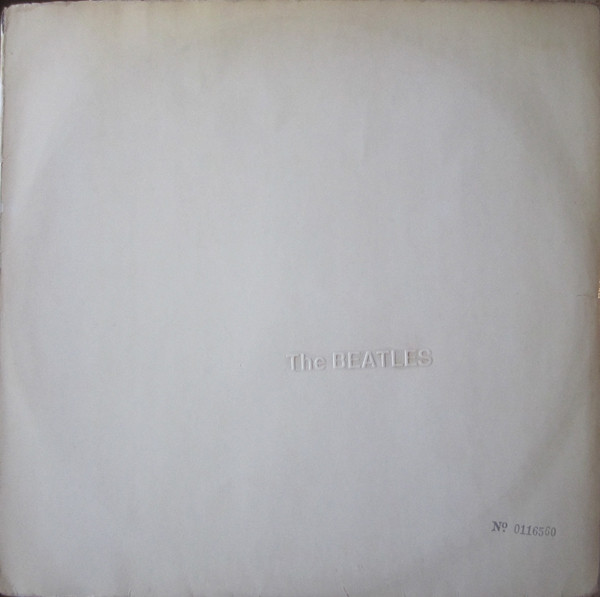
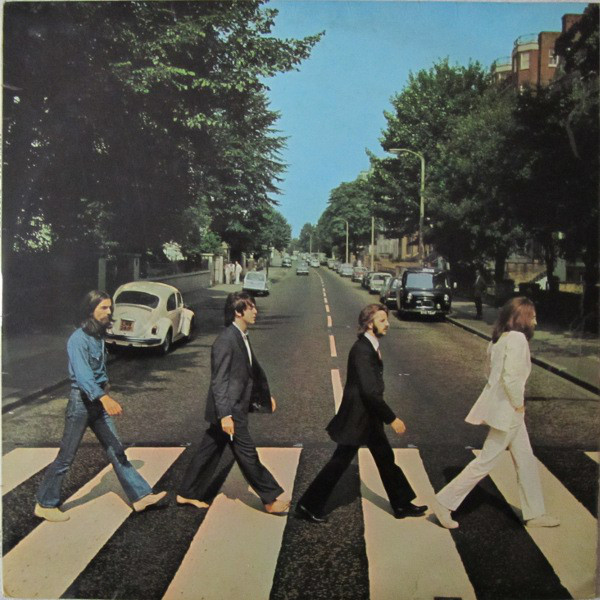
The albums A Hard Day's Night (1964, soundtrack of the classic film), Rubber Soul (1965), Revolver (1966), Sergeant Pepper's Lonely Hearts Club Band (1967), The Beatles (1968) and Abbey Road (1969) are considered true highlights in their repertoire. Their 1967 album Sgt. Pepper's Lonely Hearts Club Band is regarded as a milestone in pop history.
Sunday Morning Classics: Beatles for Sale
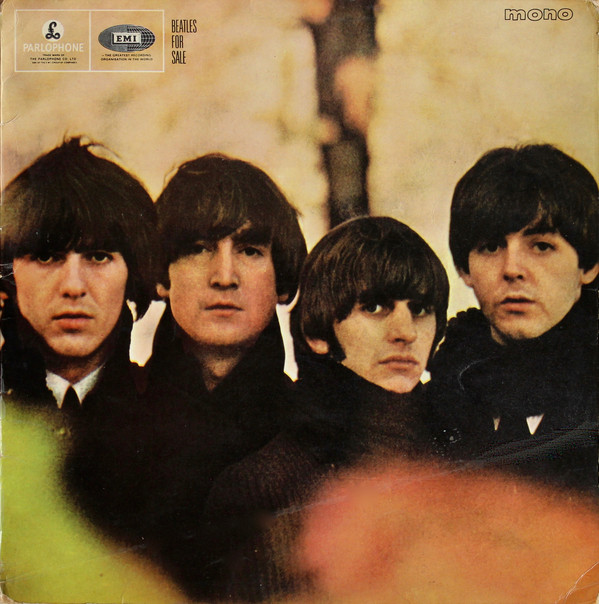
The legendary album "Beatles for Sale" was on our turntable on 8 March 2020 during the Sunday Morning Classics.
A rather sombre, somewhat chilly album cover, isn't it? But you can't blame the band for that. The album was released at the end of 1964, the defining year of Beatlemania. They broke through massively in America after their legendary Ed Sullivan performances, toured the world, filmed a classic movie along with numerous television appearances, recorded two full albums and several singles, sold tons of merchandise and changed the world forever. You can't blame them for the pale faces plastered on the cover of Beatles For Sale. But EMI Records (through their Parlophone label) had a great year with their discovery from Liverpool and wanted products in stores for the lucrative Christmas period.
Meanwhile, the band was fresh from the creative triumph of A Hard Day's Night, the first album consisting entirely of original songs. With little rehearsal and studio time at their disposal, the boys quickly made 14 tracks, with only eight originals and six cover songs. The resulting album is often called the "worst Beatles album," which means it is still quite good.
I think Beatles For Sale is more than decent. It is certainly much more than the "red-headed stepchild" of the catalogue, more than subpar, and much, much more than their "worst" album. Let's first clear away the negatives: although it is one of the band's most folky and acoustic albums – at least until Rubber Soul – Beatles For Sale has its share of throwaway tracks.
"Mr. Moonlight" is considered one of their worst songs ever, and it is. I've also never been a fan of "Kansas City," "Honey Don't" or "Everybody's Trying To Be My Baby."
But what makes the rest of Beatles For Sale so remarkable is the prevailing feeling of melancholy, and it also heralded the evolution of the Beatles' sound towards more refined, sometimes complex arrangements and lyrically deeper songs.
Jan Liebregts
(source: Wikipedia)