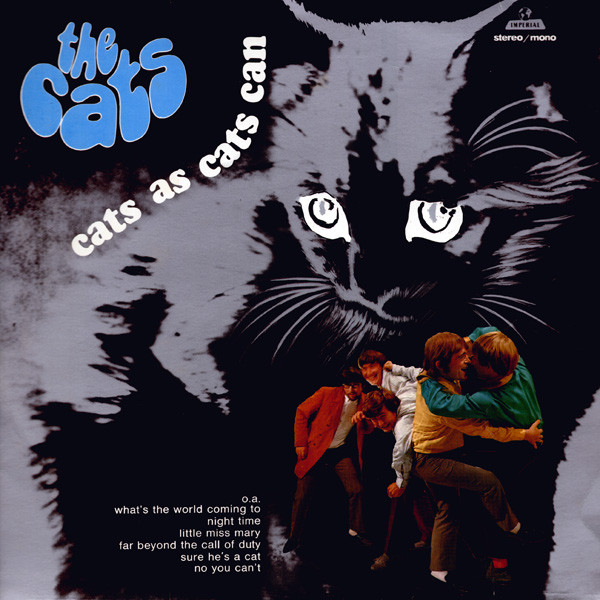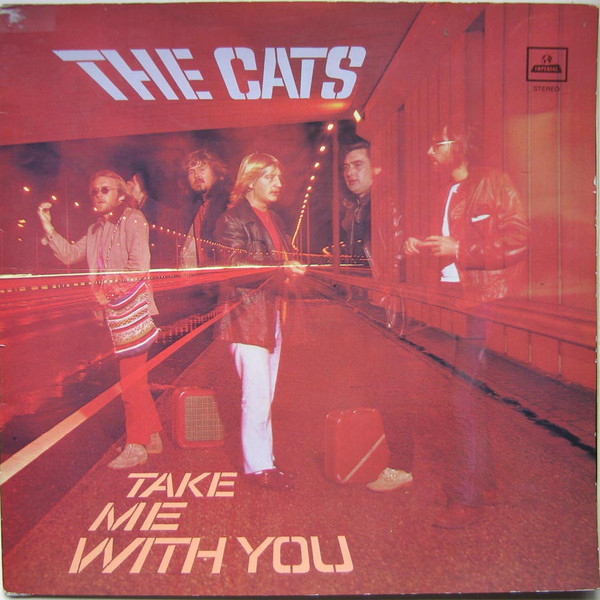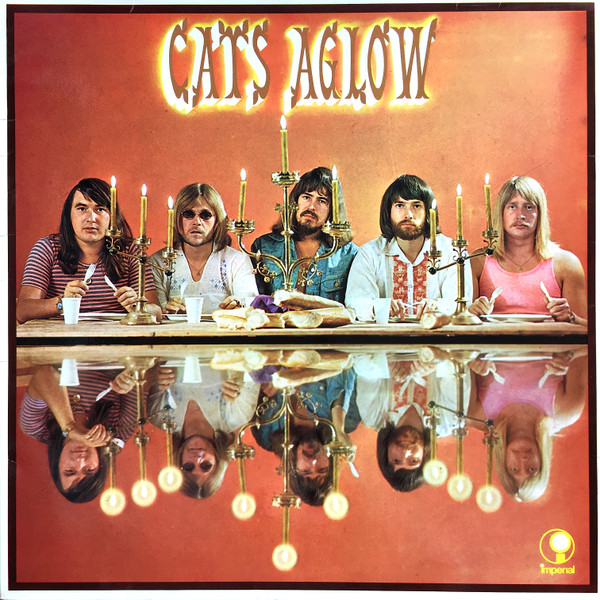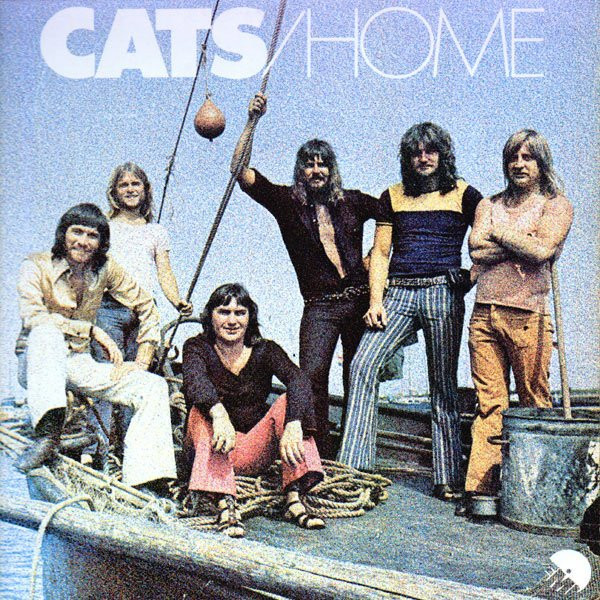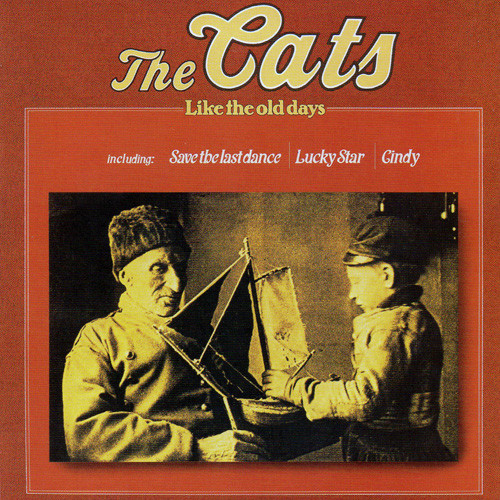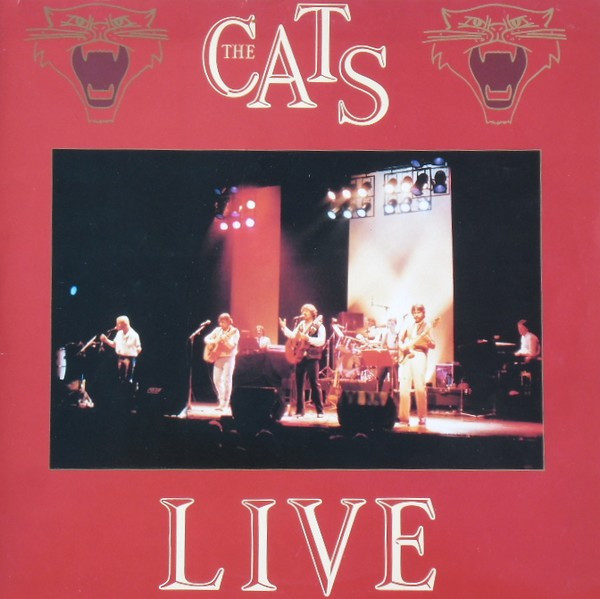
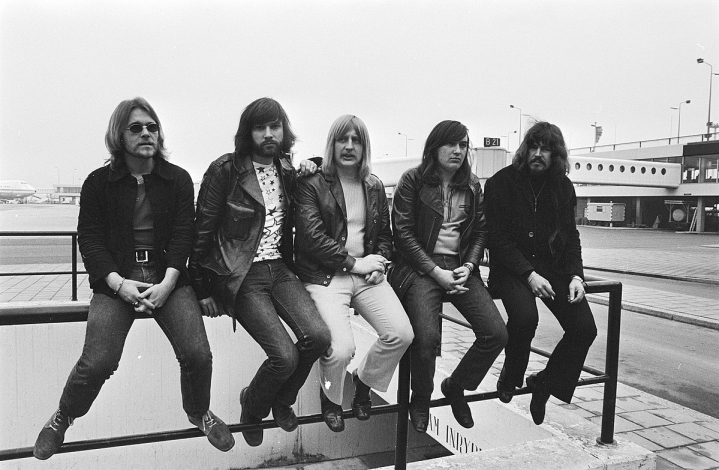
There have been few artists who have meant as much for the development of Dutch pop music as The Cats. With their distinctive Volendam ‘palingsound’, The Cats won the hearts of millions of fans both at home and abroad. Fans still enjoy unforgettable hits like Lea, Marian, Where Have I Been Wrong and Vaya Con Dios every day.
Joost den Draaijer
The story of The Cats reads like an exciting boys' book. The group started in 1962 as The Mystic Four, a name that was first changed to The Blue Cats and later to The Cats. From 1965, the Volendam quintet, then consisting of Arnold Mühren, Cees Veerman, Piet Veerman, Jaap Schilder and Theo Klouwer, played an important role in Nederpop. The distinctive sound of The Cats is characterised by somewhat wistful melodies and harmonious vocals. Disc jockey Willem van Kooten, aka Joost den Draaijer, came up with a fitting name for it: the palingsound! What also played a part was that Cats manager Jan Buijs always brought a pound of eel for Den Draaijer during plugging.
Borders
In December 1966, The Cats scored their first real hit with What A Crazy Life. Two years later, The Cats broke through to a large audience. This happened with the song Times Were When. It is a cover of an unknown Scottish pop group. Times Were When is the first in an unrelenting stream of top hits including songs like Lea, Why, Scarlet Ribbons, Marian, Magical Mystery Morning, There Has Been A Time and Let’s Dance. The Cats also enjoyed great success outside the Netherlands, even in Indonesia, Suriname and the United States.
World title
One of the biggest hits The Cats scored in the seventies was One Way Wind. This ballad was created in Aruba, where The Cats saw how palm trees grow in only one direction under the influence of the trade winds. One Way Wind became a big hit and was adopted as a battle song by the Dutch football team, which made a serious bid for the world title at the 1974 World Cup in Germany. Before every match, coach Rinus Michels played the cassette tape with One Way Wind on the team bus. But on the day of the final, the cassette tape was missing. So no One Way Wind for Oranje, but also no world title.
Farewell
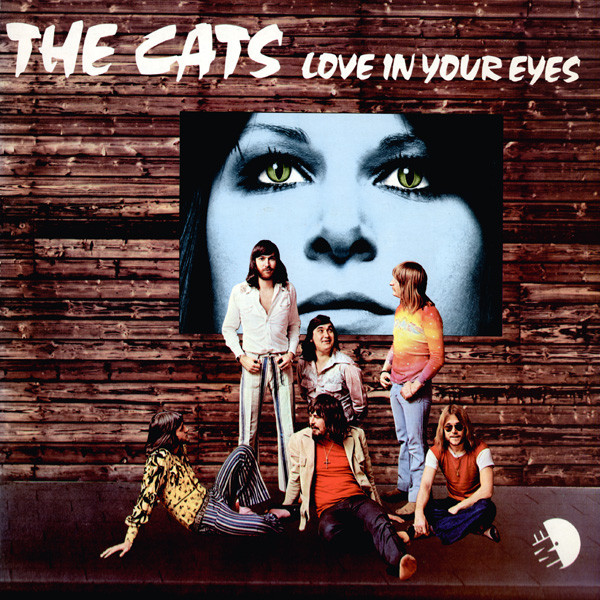
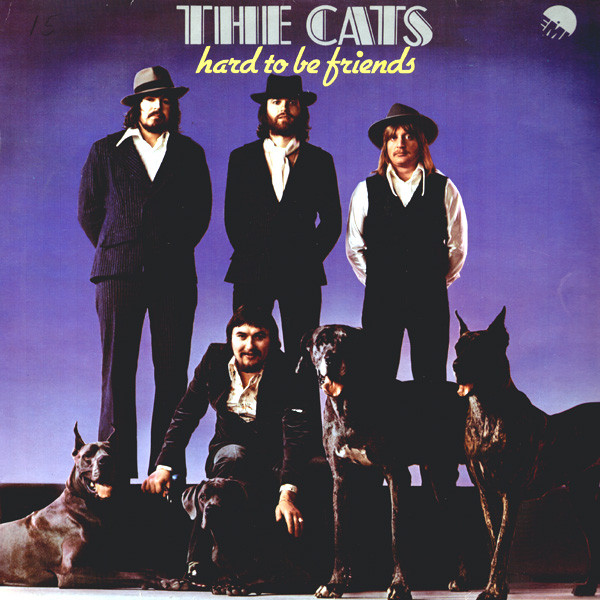
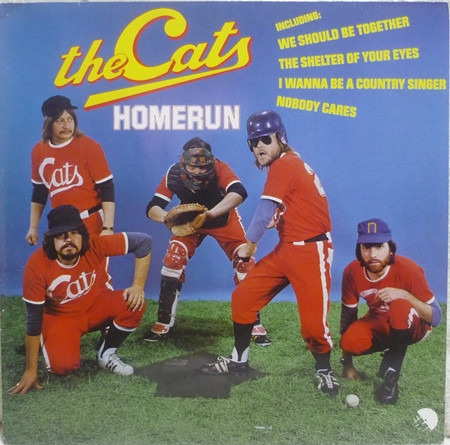
In 1973, The Cats moved to the United States, where the album Love In Your Eyes was recorded with American producer Al Capps. Although the record produced the hits Rock & Roll (I Gave You The Best Years Of My Life) and Be My Day here, a breakthrough in America did not materialise. At that moment, The Cats decided to call it a day. Less than a year after that decision, the Volendam band was back on stage. The Cats were also successful in the charts with telling titles such as Hard To Be Friends and We Should Be Together. They were the forerunners of something inevitable. The final farewell seemed to be imminent in 1980, when The Cats scored a last Top 10 hit with The End Of The Show. The Volendam group decided it was enough and hung up their guitars.
Return
But the story goes on. Because in 1983, The Cats scored with La Dilligence. Once again, the group was in the spotlight. Nevertheless, the golden years of The Cats seemed to be over. So the group announced their definitive farewell in 1985. Piet Veerman started a successful solo career and Arnold Mühren began his own recording studio. The other members of The Cats also went their separate ways in society.
Top 2000
In the 24th edition of the Top 2000, The Cats are listed as follows:
Sunday Morning Classic
On Sunday 2 April 2023, it was the turn of national pride The Cats to take to our Sunday Morning Classic Stage.
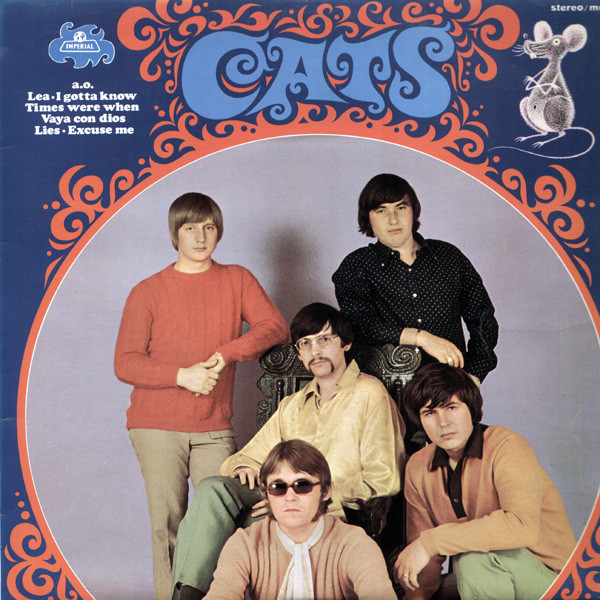
It is 1968 and The Cats release their second studio album “Cats”, a beautiful album with gems of songs. The first track “Lea” hits the mark immediately. Piet Veerman strikes the emotional chord and does not let go of it for the rest of the album.
The song Lea tells a true story and is about the then 19-year-old Lia Vertelman from Wervershoof. Lia was a fan of The Cats from the very beginning and regularly attended concerts. Arnold Mühren knew her from this. At one point, he noticed that a familiar face was missing. Later, Mühren heard that Lia and her boyfriend, skating talent Frits Bartling, had been involved in a car accident in Hoevelaken where their car collided head-on with a truck at 120 kilometres per hour. Lia was taken to the hospital in Utrecht where she soon died of her injuries; her boyfriend was seriously injured. Mühren was moved by this and then wrote this song for her. After consultation with Lia’s family, the song was released. So not too much publicity was made for the record using the name Lia.
When the demo was first heard on the radio, it turned out that the singing was off-key here and there. Piet Veerman then urgently re-recorded the vocal part better. Manager Jan Buijs tracked down all the “off-key” recordings and removed them. 174,000 copies of Lea were sold.
The LP achieved gold status and is an album well worth listening to.
Source: NPO and Wikipedia Photo: TopPop (Avro) and public domain