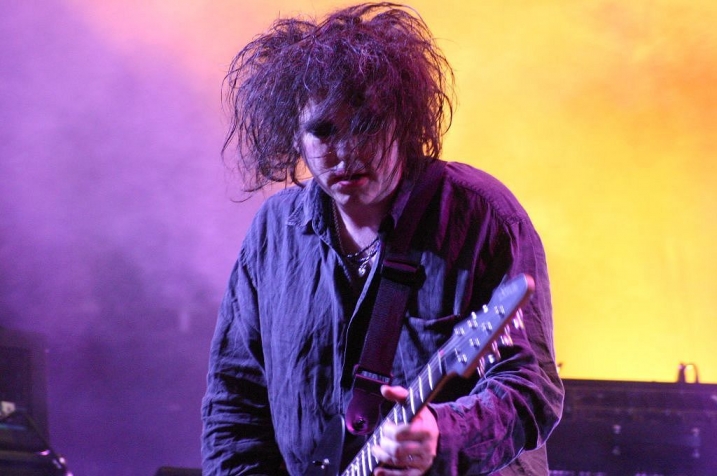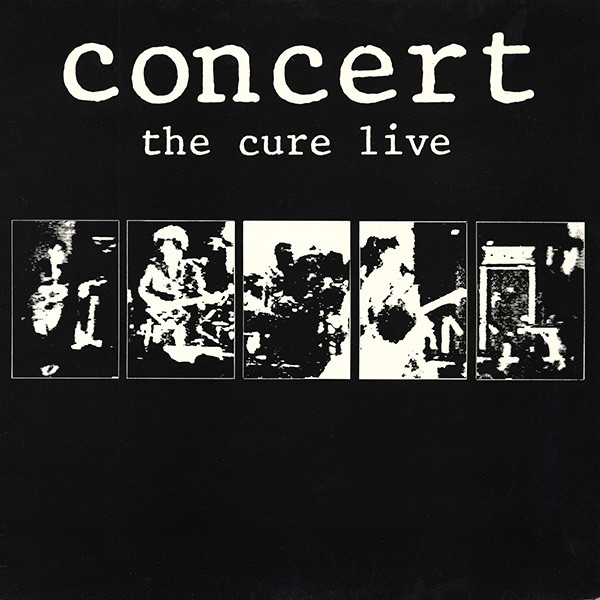
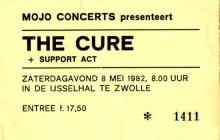
I asked Anton Jan Wouters about his memories of The Cure. "It was 8 May, 1982, IJsselhal Zwolle... that’s where I saw them for the first time. It was a bit of an experiment, because I didn’t really know them. On the recommendation of a classmate (Ingrid Kappert, a fan from the very beginning) I bought a ticket for the modest sum of NLG 17.50... (approx. €7.50). Since then, I was sold. I stood at the front, right by the stage, watching and listening to The Cure. Robert Smith, still young, naturally already a bit alternative. Simon Gallup and Lol Tolhurst were there too. Besides Robert Smith, the bassist particularly caught my attention. The bass hung almost at his knees, he played bent over, heavily concentrated, sweating. "A Forest" was my favourite song then and it has always remained so... also during the much larger concerts in, for example, Ahoy or Antwerp. Great band..."
I have seen The Cure live about three times myself. After the first time, I thought that was it, after the last time I was enthusiastic again!
The Cure
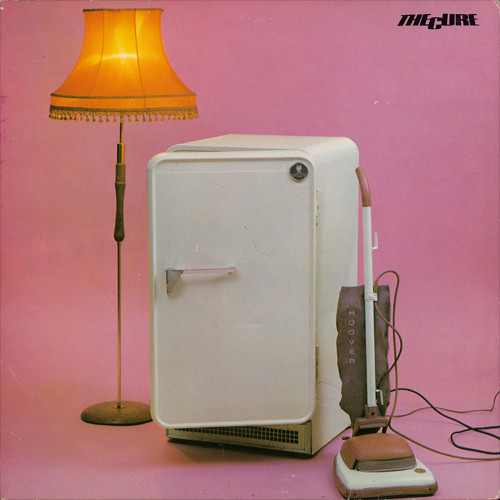
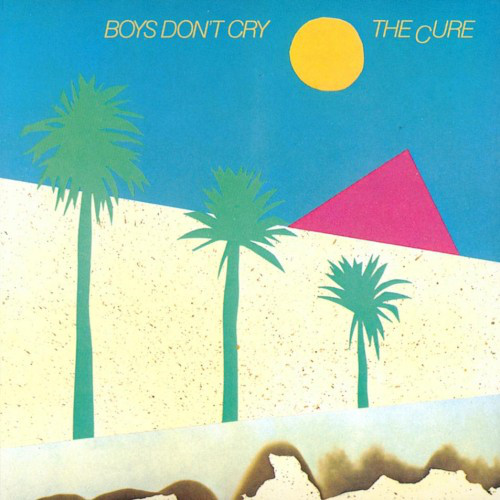
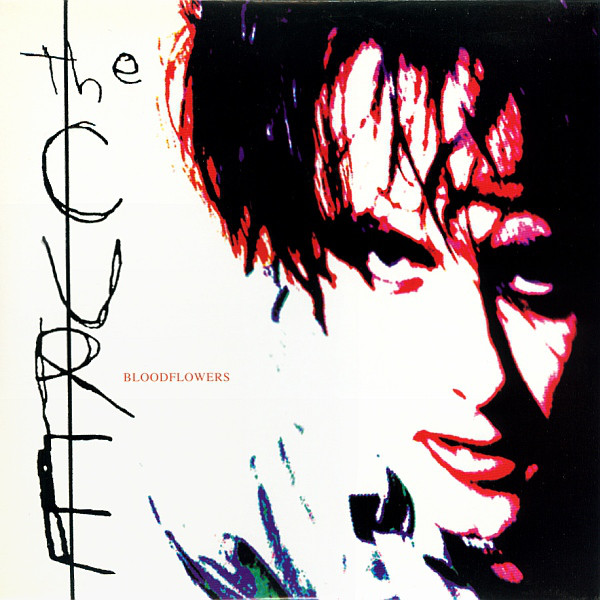
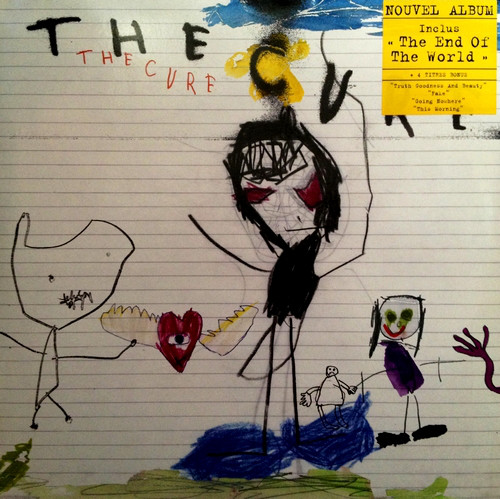
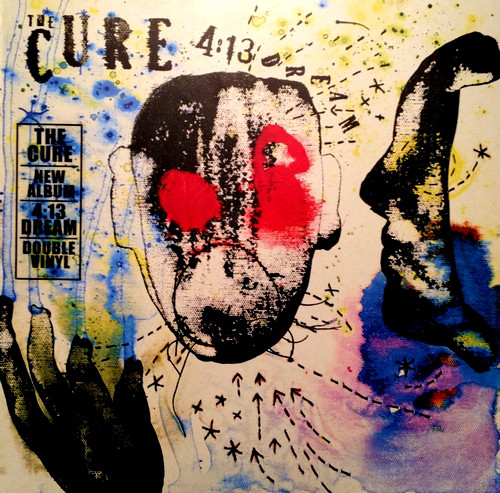
The Cure is a new wave band formed in 1976 in Crawley (United Kingdom). Originally, the band was called The Easy Cure. The band is classified not only as new wave but also in the genres of gothic rock and post-punk. The band debuted in 1979 with the album Three Imaginary Boys. The first single, "Killing an Arab", immediately caused controversy due to the alleged racist nature of the song. In fact, it was based on the novel The Stranger by Albert Camus. But it was the single "Boys don't cry" that in June 1979 opened the way to a modest cult status for the group.
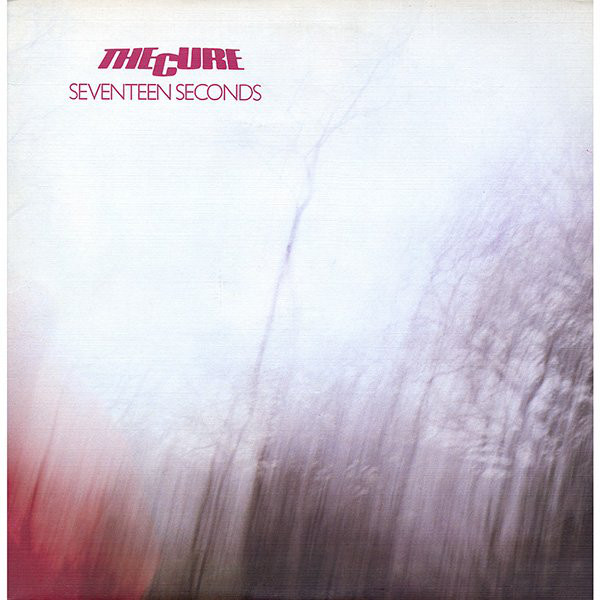
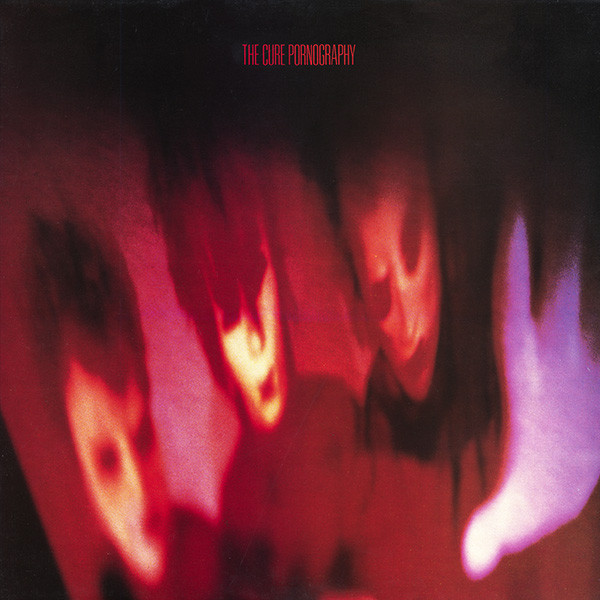
In 1980, The Cure broke through on a large scale with the LP Seventeen Seconds, from which the single "A Forest" became an international hit. The style of Seventeen Seconds was called gothic or post-punk by some; a style closely related to the music of Joy Division and to which Siouxsie and the Banshees also converted. After Pornography, Robert Smith, singer/guitarist and driving force of The Cure, put the group on hiatus and devoted himself almost entirely to Siouxsie and the Banshees, where he filled in as guitarist. He also made the album "Blue Sunshine" together with the bassist of the Banshees, Steven Severin, which was released under the band name 'The Glove'.
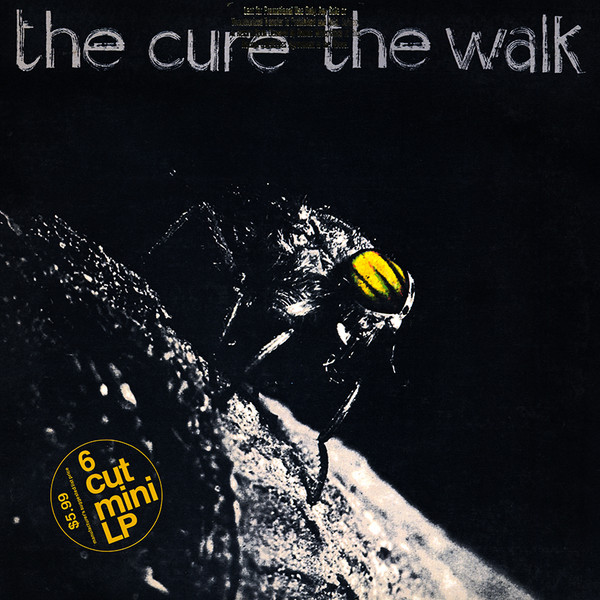
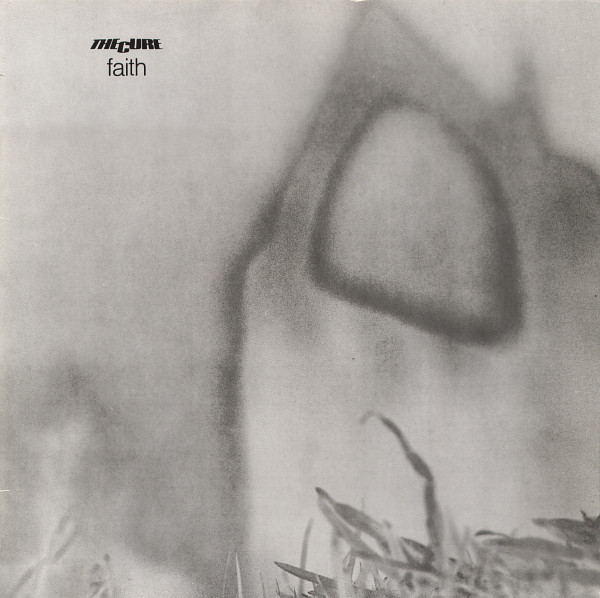
In the early 1980s, Smith released some of his own songs under the name The Cure. With successful songs like "Let's go to bed", "The Walk" and "The Lovecats", he completely broke away from the doom music of the previous albums: Seventeen Seconds, Faith and Pornography. At this time, Robert Smith also played the media with vague statements and often hinted at the end of the band. Over the course of the 1980s, The Cure's sound continued to move between the lightness of their debut album and the doom sound of "A Forest". The band thus grew into one of the most popular new wave bands.
In 2012 and 2019, the band performed at Pinkpop, where it became clear that the band was still remarkably capable and also managed to appeal to the younger Pinkpop audience. Singer Robert Smith said in an interview that age in music is actually not important and that he wants to continue as long as he manages to express himself in lyrics and music in the way he wants and can thus appeal to the audience. He did admit that it "takes a bit longer to break away from his normal life and prepare for a performance, such as at Pinkpop."
In 2015, they specially reworked "A few hours after this" for the police series Luther. The song originally appeared in 1985 as the B-side of "In between days".
In 2018, the band celebrated its 40th anniversary and gave a performance in Hyde Park, London.
Source: Wikipedia Photo: Alexander Blum and Joe Bielawa
https://www.thecure.com/
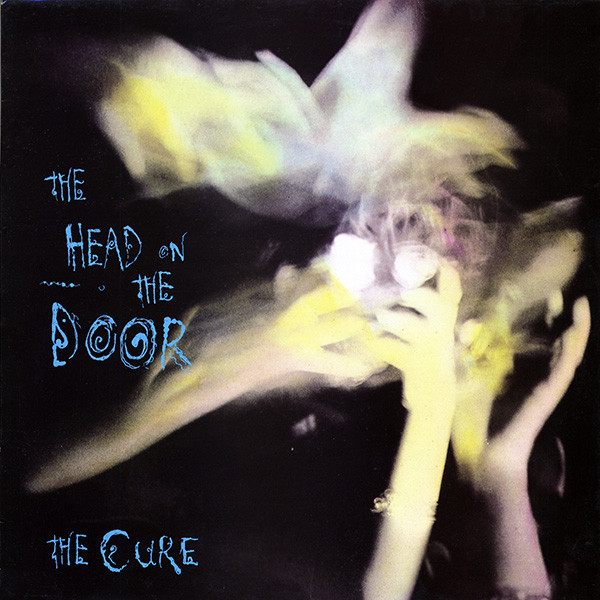
"The Head on the Door" was on our turntable on 15 December 2019 during our Sunday Morning Classics.