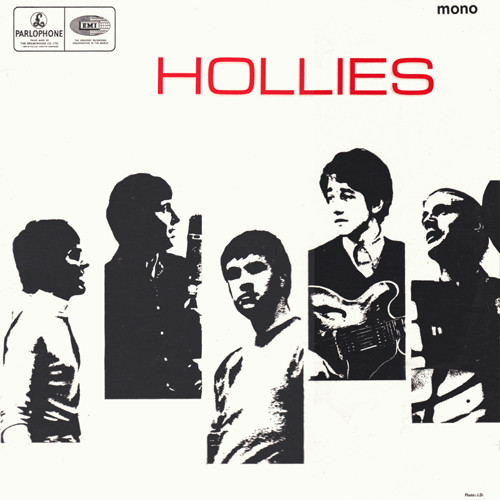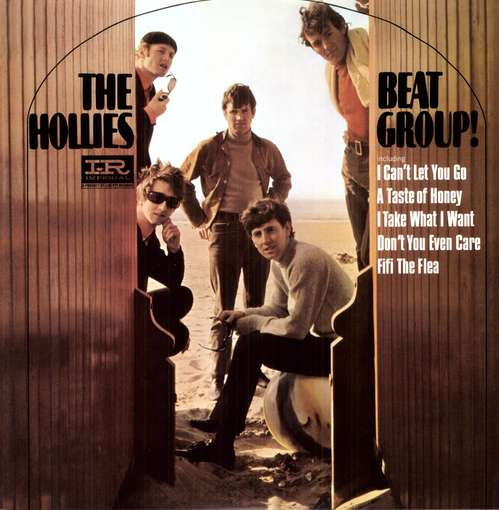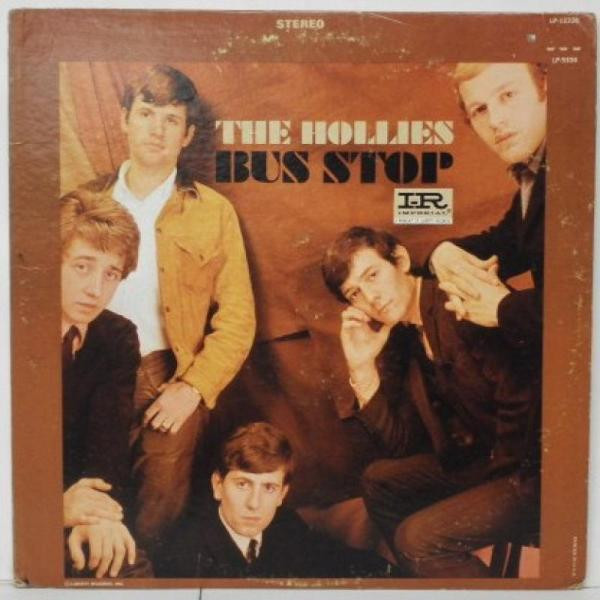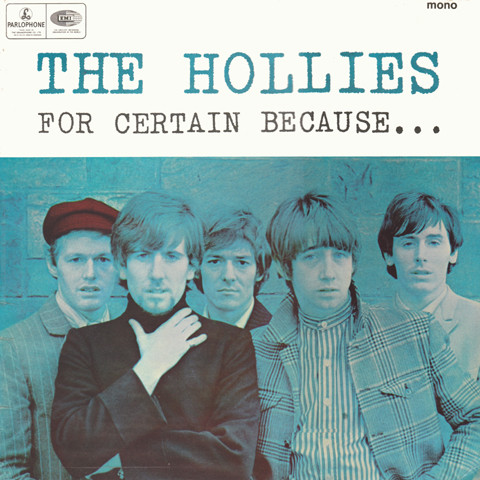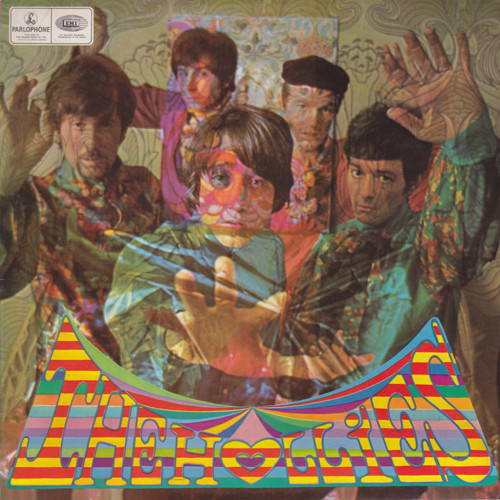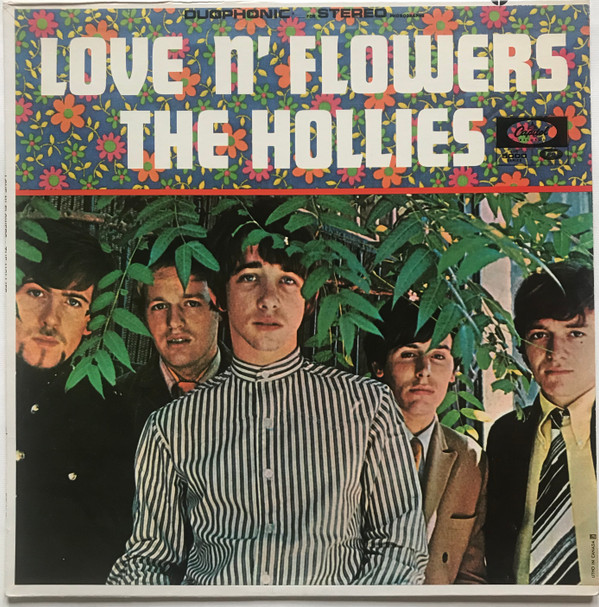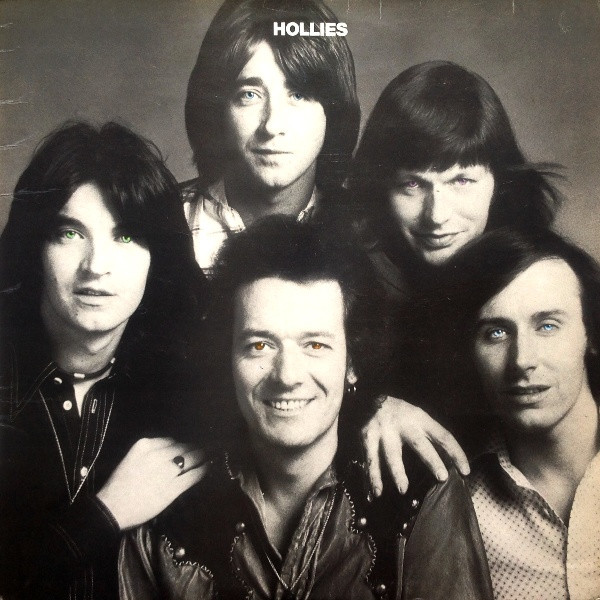
The Hollies are one of the most successful pop groups from the so-called British Invasion, the musical movement that in the mid-sixties made British beat music the leading sound worldwide. Known for their very distinctive sound, characterised by razor-sharp harmonies, The Hollies scored dozens of global hits with unforgettable songs like 'Bus Stop', 'Carrie Anne', 'Sorry Suzanne' and 'The Air That I Breathe'.
Holly Sprigs
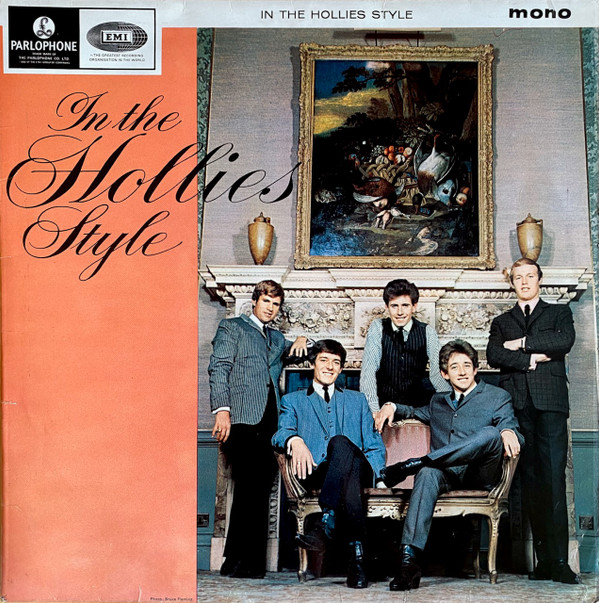
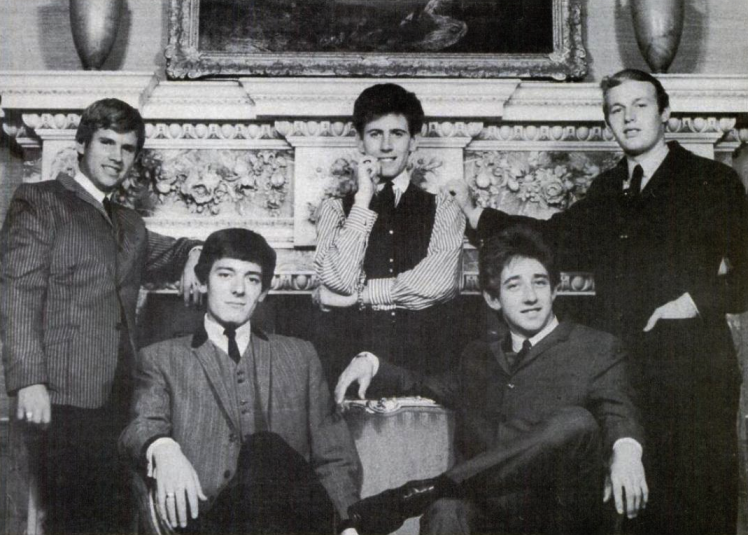
Based in Manchester, The Hollies were founded in 1962 by childhood friends Allan Clarke and Graham Nash. The band’s name does not refer to the legendary Buddy Holly, whom they both greatly admired, but to the holly sprigs used as Christmas decorations in the dressing room of The Oasis, the club in Manchester where The Hollies made their stage debut in December 1962. A few months later, the group signed a contract with Parlophone, the record label that also had The Beatles under contract. Besides Clarke and Nash, The Hollies then consisted of guitarists Eric Haydock, Tony Hicks and drummer Bobby Elliott, who at the time was considered one of the best drummers in the world.
Success
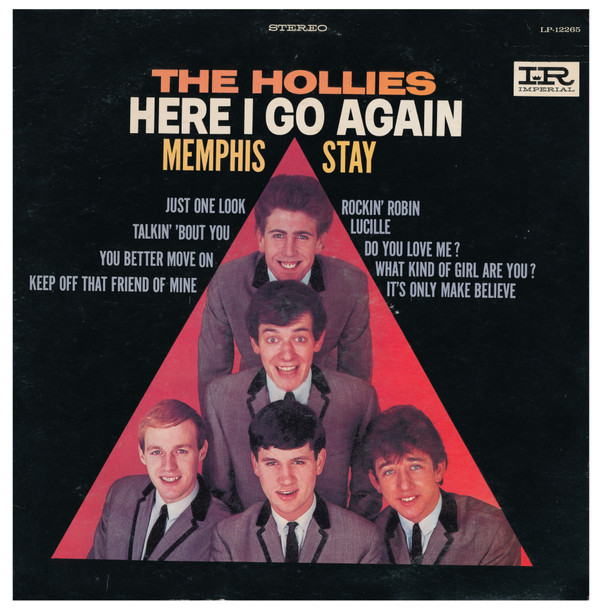
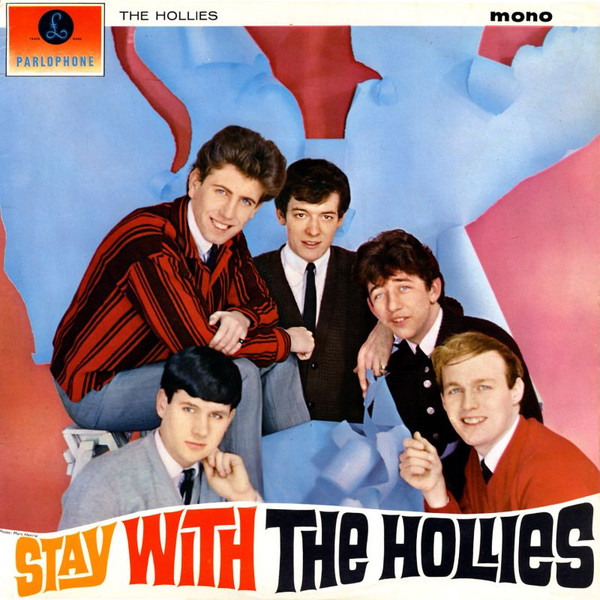
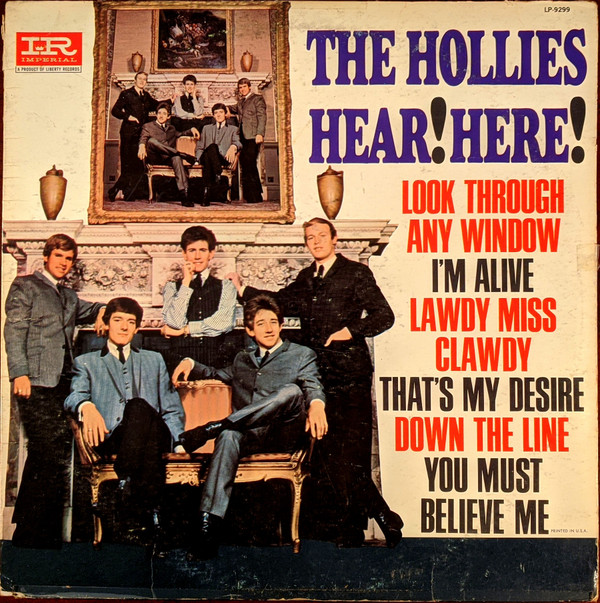
In May 1963, The Hollies released their first single, '(Ain’t That) Just Like Me', which reached a respectable 25th place in the UK charts. The following single – a cover of 'Searchin’ by The Coasters' – also charted in the UK. With their third single 'Stay', The Hollies scored a Top 10 hit in the autumn of 1963. This was the first in a long, almost uninterrupted series of British Top 10 hits. Only with their fifth single 'Here I Go Again' did The Hollies achieve their first hit abroad in the summer of 1964. The song reached 37th place in the Dutch charts. At the end of 1964, The Hollies were successful with 'We’re Through', a song they wrote themselves under the pseudonym 'L. Ransford'. In early summer 1965, The Hollies scored their first number 1 hit in England with 'I’m Alive'.
Hit Bus
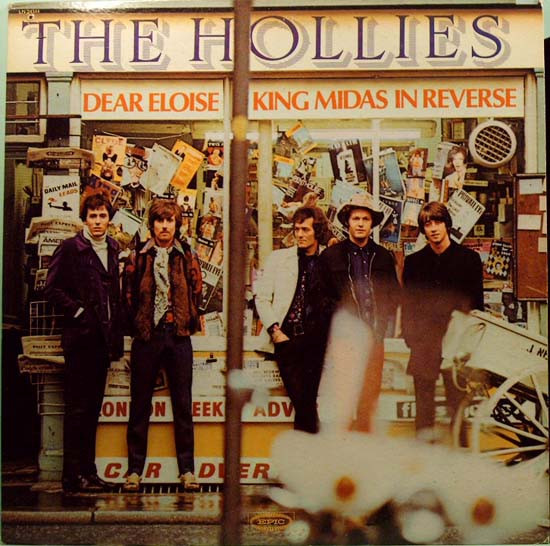
After a few more hits, The Hollies had their big international breakthrough in 1966. This happened with a song specially written for them by Graham Gouldman, a British songwriter who later became world-famous with his band 10CC. Gouldman wrote the song 'Bus Stop', with which The Hollies reached the Top 10 worldwide in the summer of 1966. The Hollies’ ‘hit bus’ made no stops and kept rolling on with international successes like 'Stop Stop Stop', 'On A Carousel', 'Carrie Anne', 'King Midas In Reverse', 'Dear Eloise' and 'Jennifer Eccles'.
Departure
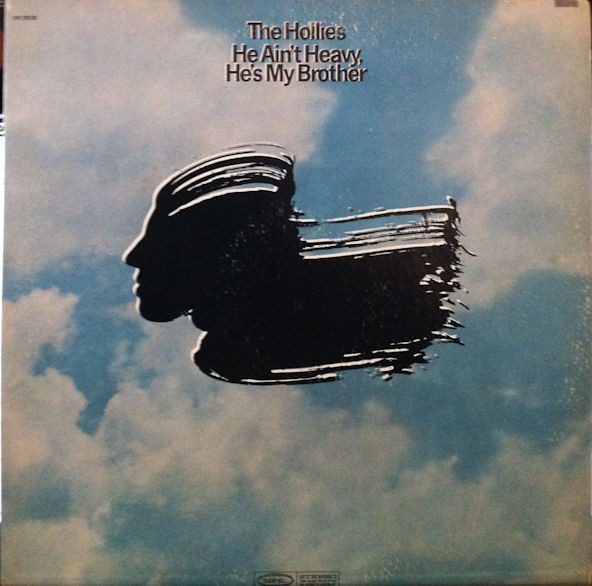
When Graham Nash announced his departure in 1968 – moving to America to form the famous quartet Crosby, Stills, Nash & Young with David Crosby of The Byrds and Stephen Stills & Neil Young of Buffalo Springfield – dark clouds gathered over The Hollies. The loss of Nash put the future of The Hollies in jeopardy. With his replacement Terry Sylvester, the group still scored a number of big hits, including 'Sorry Suzanne', 'Blowin’ In The Wind' and 'He Ain’t Heavy He’s My Brother'. After that, it became quiet around The Hollies, especially after Allan Clarke said goodbye to the group in 1971 to start a solo career. His replacement was Swedish singer Michael Rickfors, with whom the group had a single hit in 1972.
New Success
After his solo career failed, Allan Clarke returned to The Hollies in 1973. His return immediately translated into new success. With the rock’n’roll single 'Long Cool Woman (In A Black Dress)', the group reached number one in America. And with 'The Day That Curly Billy Shot Down Crazy Sam McGee', written by Clarke, The Hollies scored their first and only number 1 hit in the Netherlands. Also with 'The Air That I Breathe', written by Albert Hammond, The Hollies had a huge worldwide hit.
As the 1970s progressed, The Hollies’ success steadily declined. They still scored a few minor hits with 'I’m Down', the Bruce Springsteen cover 'Sandy' and the disco numbers 'Daddy Don’t Mind' and 'Wiggle That Wotsit'. The Hollies continued to record and perform in the eighties and nineties. Thanks to a TV commercial, the group scored an unexpected number 1 hit in England in 1988 with the twenty-year-old 'He Ain’t Heavy… He’s My Brother'.
Top 2000
In the 24th edition of the Top 2000, The Hollies are featured with the following rankings:
Sunday Morning Classic
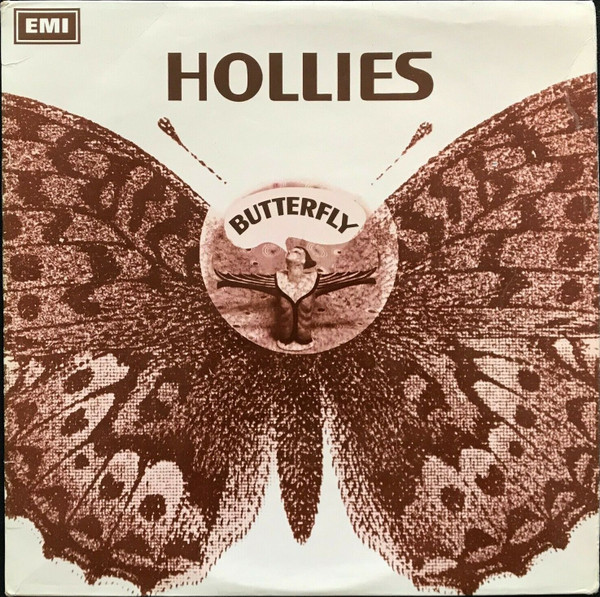
On 5 March 2023, we welcomed The Hollies to our Sunday Morning Classic stage with their 1967 album Butterfly
Every musical decade has its own confusing flowchart of events. The sixties are no exception to this rule, a room with many corners. And in one corner of that room sit The Hollies, who resemble the Beatles more than any other British Invasion band. Among their main strengths were their ear for harmony and their songwriting partnership of lead singer Allan Clarke, lead guitarist Tony Hicks and Graham Nash, who needs no introduction. His pure and honest tenor not only plays an important role in the sound of this band, but also with Crosby, Stills and Nash.
Today we go back to The Hollies’ seventh studio album, Butterfly. The album falls somewhere between Sgt. Pepper and Love's Forever Changes, but with its own blissful vibe that created a clever balance between ambition and fun. The album is full of acoustic guitars underpinned by a thumping bass line from Bernie Calvert, who plays the instrument with more bite than you might expect. What sets this album apart from the band’s earlier work is the interest in brass, woodwinds and especially the use of strings in many tracks. In a way, you could compare it to Days Of Future Passed by The Moody Blues. The mono version of the album layers these instruments to create a solid and even mix with the reverb the songs deserve. I recommend anyone interested in this album to listen to it in mono. You will find that although many of the songs have fade-outs, they come with something to ponder, whether it’s the sound of seagulls, space or bizarre pitch shifts replacing traditional key changes. And although the lyrics are not as profound or exploratory as those of the group’s contemporaries, they characterise the band and the atmosphere of this album.
The album ends more intimately than you might expect, with Nash painting a beautiful picture in his middle class, supported by the most beautiful orchestration so far. Butterfly is the last record with Graham Nash, and here everything falls nicely into place one last time, although this record also sounds somewhat dated in places. It remains a sixties masterpiece.
Source: NPO and various sites Photo: public domain