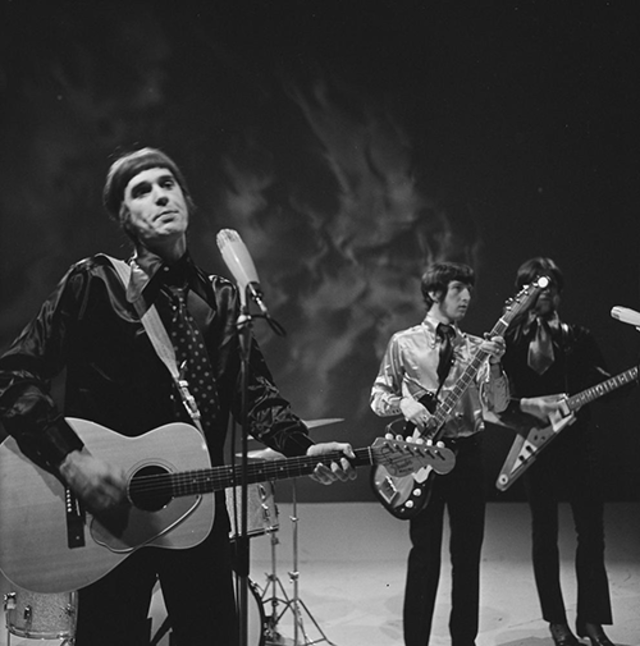
Although they were not as famous as The Beatles or as popular as the Rolling Stones or The Who, the Kinks are still one of the most influential bands of the British Invasion. During their long and varied career, the core of the Kinks has always consisted of brothers Ray and Dave Davies. They grew up in London. In their teenage years, both discovered the guitar and played skiffle and rock ’n roll together. Ray and Dave recruited bassist Peter Quaife and drummer Mickey Willet and formed The Ravens in 1963.
The Ravens
A demo was recorded which soon reached the right person. The following year, Pye Records offered The Ravens a record contract. The average age of the band members was then eighteen. But before signing, they replaced drummer Willet with Mick Avory. Under the band name The Ravens, the boys recorded their debut single ‘Long Tall Sally’, a cover of Little Richard. But before releasing it, they changed their name to The Kinks (which means 'The Deviations' or 'The Brain Twists').
You Really Got Me
Despite the inviting band name, ‘Long Tall Sally’ flopped. The second single ‘You Still Want Me’ also failed to reach the charts. But third time lucky. ‘You Really Got Me’ became a hit. And a big one at that, as the song quickly reached number one in the UK charts. It also became a big hit in America. ‘You Really Got Me’ represents the Kinks' first sound. Soon after, their fourth single ‘All Day And All Of The Night’ was released, reaching number two in England and scoring a Top 10 hit in the rest of Europe and America.
In 1978, the men of Van Halen borrowed the song and gave it a typical Van Halen twist. The original usually holds up in comparisons, but Van Halen's version with David Lee Roth certainly does not fall short. The song appears on the album "Van Halen".
Touring
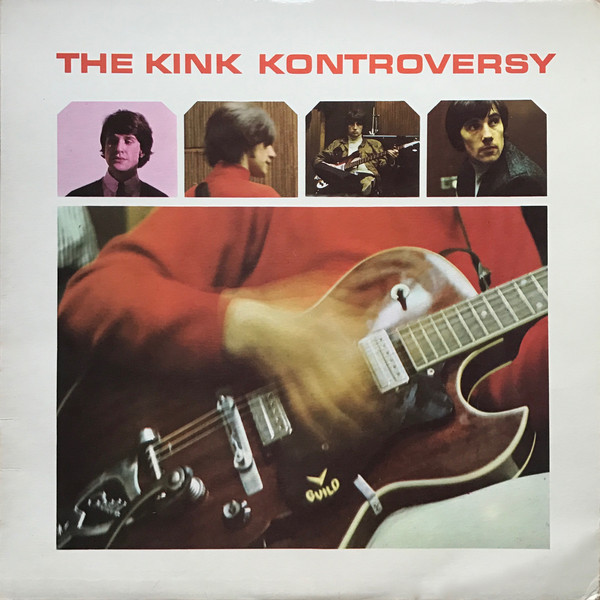
The Kinks toured extensively. This caused some tension within the band. For unclear reasons, the American government decided that The Kinks were not welcome for four years, meaning the band was cut off from the world's largest music market. From that moment on, Ray Davies' songwriting was more influenced by English country and folk music. This is clearly heard on The Kinks Kontroversy, released in 1966.
Summer Hit
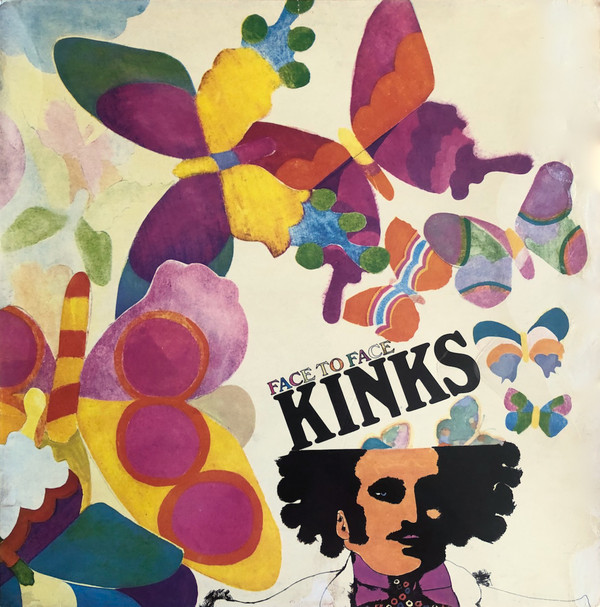
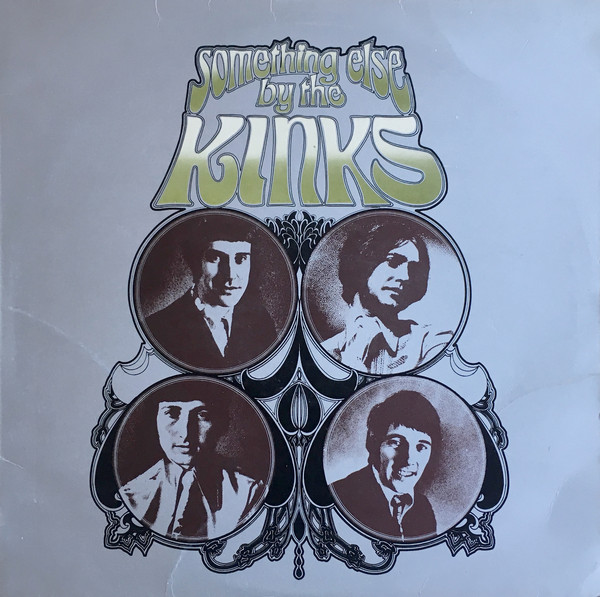
The first single from the following album Face To Face, called ‘Sunny Afternoon’, is a bitter social satire and became the summer hit in England in 1966. The Kinks had another number one hit. The record also reached the top position in the Dutch charts. The successor to Face To Face was Something Else, and on that album, The Kinks' new style was continued. Despite the musical growth of The Kinks, their record sales were less rosy and it was time for another hit. The record Autumn Almanac was released, bringing The Kinks back into the Top 10 of the charts.
War Trauma
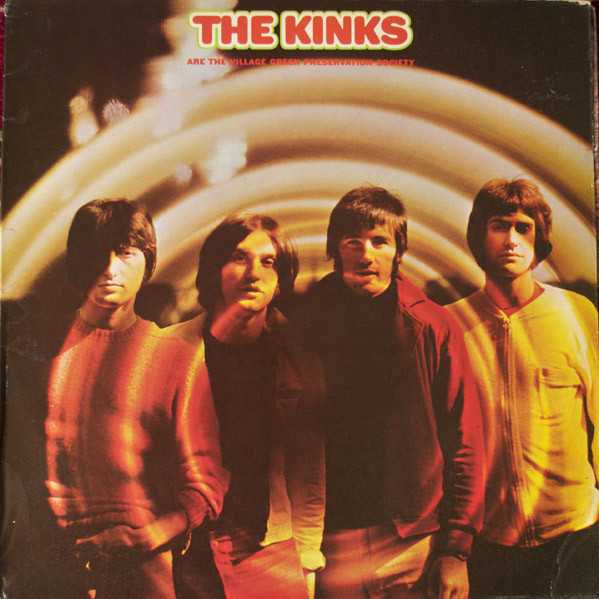
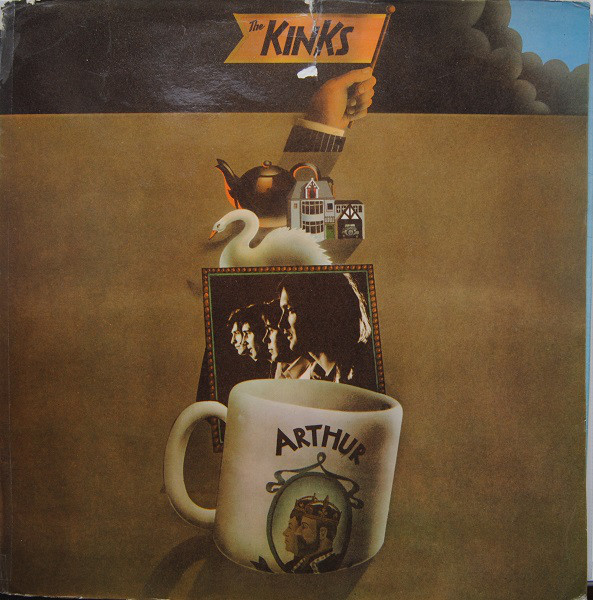
The single ‘Days’ also did reasonably well, but the decline in success became clear again after the flop album The Village Green Preservation Society from 1969. Although critics welcomed the album with open arms, buyers had had enough of Ray Davies' nostalgic tendencies. Bassist Peter Quaife was also fed up and left the band. He was replaced by John Dalton. The four-year ban by the American government was lifted and The Kinks were free again to make a mark in America. They did so by promoting their next album Arthur (Or The Decline And Fall Of The British Empire). The central theme of this album is the story of a man from London who decides to move to Australia after the Second World War. The songs deal with the peculiarities of living in a suburb, the numbing effect of bureaucracy, and the horrors of war. Just like the previous albums, the lyrics' subjects are mostly British, but musically Davies moved away from the style that made his previous albums flops. Arthur (Or The Decline And Fall Of The British Empire) was a reasonable success.
Favourite
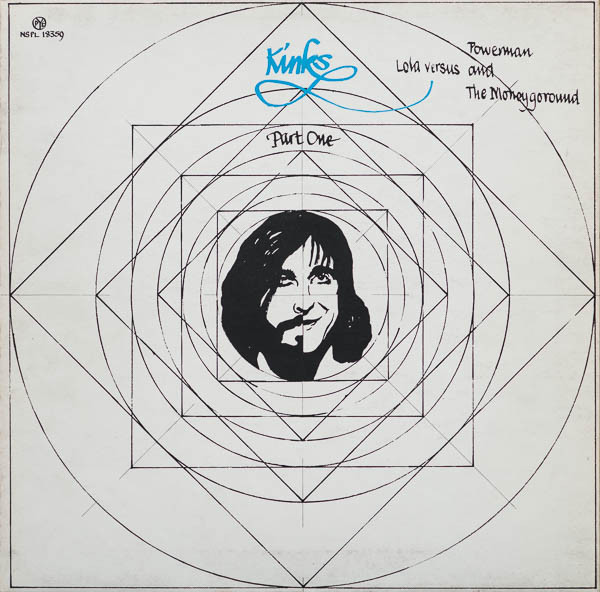
The following album Lola Versus Powerman And The Money-Go-Round Part One from 1970 also scored. This album contains the first released version of the hit ‘Lola’. (A few years later, the live version of the single was released again, resulting in another hit). Thanks to this album, The Kinks became the most favourite live band in America. And that was sweet revenge against the American government that had denied them entry five years earlier. At this time, The Kinks also decided to enrich the band with keyboard player John Gosling. In early 1971, the record deal with Pye Records ended and the band chose the contract offered by RCA Records. The first album they released with RCA, Muswell Hillbillies, was a misstep as Davies still made a detour to the nostalgic style of the flopped albums from the late ’60s. Muswell Hillbillies flopped mercilessly and to get financially back on track, RCA was forced to release a compilation album. The Kinks Kronikles was a success.
Rock Operas
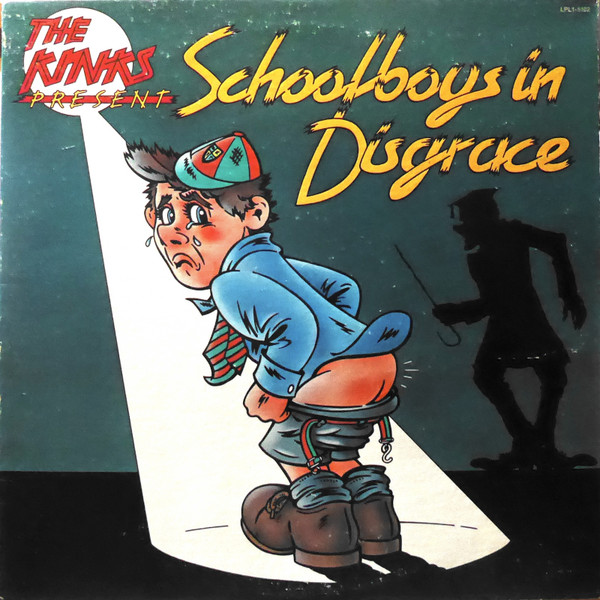
In 1973, the double album Everybody’s In Showbizz was released. It flopped in England but was successful in America. Between 1973 and 1975, Davies wrote three rock operas: Preservation Act 1, Preservation Act 2, and Soap Opera. The first two flopped but the third was a modest commercial success. In 1976, Schoolboys In Disgrace was released, a rock opera that rocked harder and showed the band's new style: hard rock. This was not the only change. Bassist John Dalton had left the band. Although The Kinks had achieved cult status in America and were covered by punk bands like The Jam and The Pretenders, the band adopted a more commercial sound with each new album release. A streak of successes followed. The albums Low Budget (1979) and its successor Give The People What They Want (1981) went gold, and the singles ‘Come Dancing’ and ‘State Of Confusion’ became hits. The Kinks toured throughout 1982 and 1983.
Decline
Ray's musical side activities caused tension in the band and drummer Mick Avory, who had been there almost from the start, was fired. Word Of Mouth was released in 1984. Although the album was in the same style as the two successful predecessors, it flopped. It was the beginning of the decline in success. The Kinks would never again reach the Mega Top 50. Several attempts to patch things up followed with Think Visual, The Road, and U.K. Jive. These albums were modest successes but produced no hit singles. In 1990, The Kinks were inducted into the Rock ’n Roll Hall Of Fame, but this did not benefit their career.
Example
The albums Lost and Found, Did Ya, and Phobia followed. Despite reasonable reviews, sales remained poor. In 1995, the name The Kinks was mentioned more often as the gentlemen were cited as an example for British bands Blur and Oasis. Ray Davies was regularly seen on TV shows as a sort of godfather for the new generation of British successes. But of course also to promote his biography X-Ray (1996), a book in which all the overwhelming successes but also all the merciless flops of The Kinks are reviewed.
Top 2000
In the Top 2000 of 2020, the Kinks were listed as follows:
De Luizenmoeder
The song Schooldays from the album Schoolboys in Disgrace from 1975 was used as the intro music for the Dutch comedy series De Luizenmoeder.
Albums
Most of The Kinks' albums up to 1975 were concept albums and rock operas. After that, they focused more on hard rock again. Exactly 10 years after the last success with Supersonic Rocket Ship, the group scored a top 10 hit in America with the song Come Dancing. After that, England and the rest of Europe followed. The success was not sustained on this scale, although the group had a top 10 hit in Austria with the follow-up single Don't Forget to Dance in 1983. Both aforementioned singles came from the album State of Confusion. This album was also a conclusion to a very successful period that began in 1977 with the release of the Sleepwalker album. When the album Word of Mouth was released in 1984, the relationship between brothers Ray and Dave was so bad that Dave refused to tour. This stalled the upward successful trend the group had experienced since 1977. Despite everything, they continued to make albums into the 1990s, but they would never reach the level of the 1960s and early 1970s again.
Sunday Morning Classic: Face to Face
On 5 December 2021, the Kinks were our "guest" as Sunday Morning Classic with the album "Face to Face".
The Kinks first came to my attention through the live version of Lola, which I still find a strong song. The 4th studio album “Face to Face” was released in 1966. The men took their time to deliver a classy record. In general, I can say that most Kinks songs need some time. Especially if you want to get to know the lyrics a bit. It is the first record on which The Kinks really found their own style and managed to apply a somewhat more artistic approach.
The album was remastered and reissued as a double CD in 2011. CD 1 is in original mono and CD 2 in a new stereo mix. This does not apply to the hit Sunny Afternoon; it is therefore included twice in mono. Furthermore, the reissue contains various bonus tracks consisting of alternative mixes. Among those bonus tracks is an alternative stereo mix of Sunny Afternoon, where the basic track is still mono. For many singles by The Kinks, the original multitrack tapes are lost or erased and can therefore never be mixed in true stereo again.
Face to Face is a very good record that is a formidable competitor for many records by The Beatles.
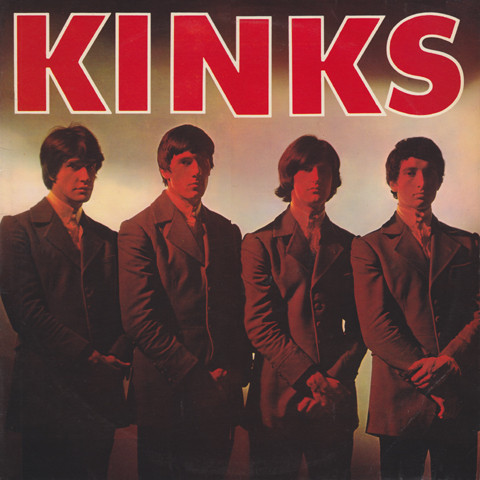
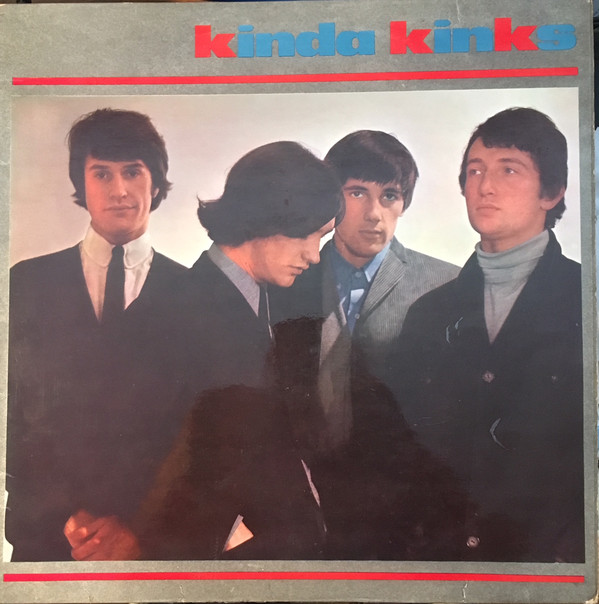
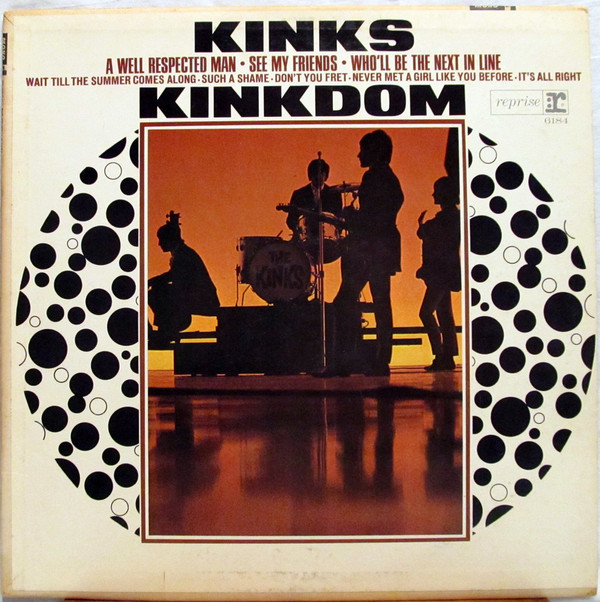
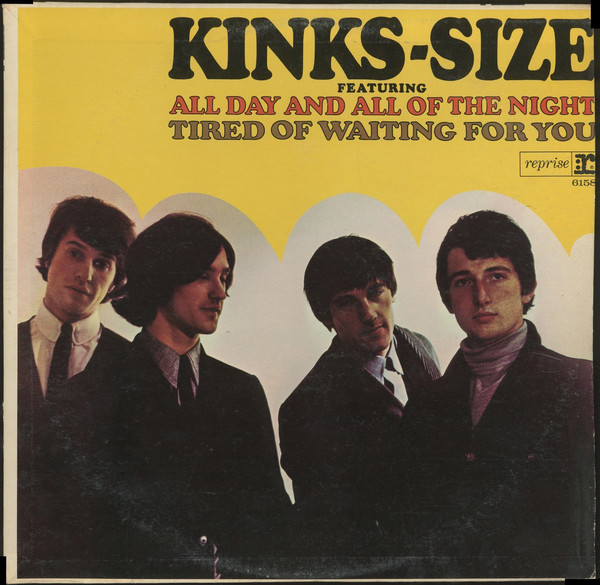
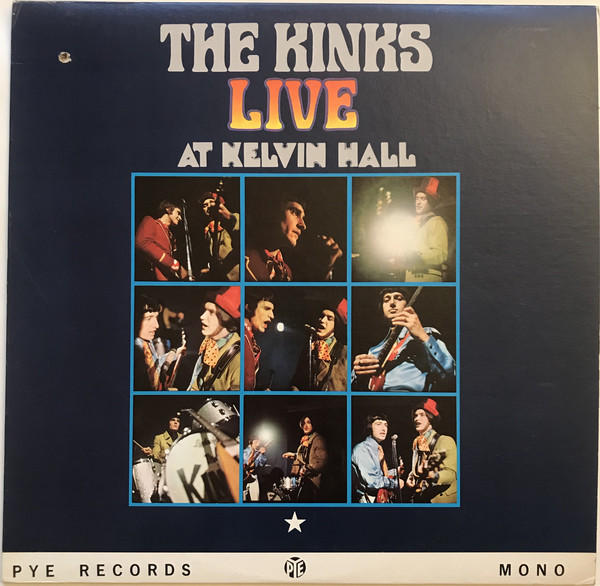
During the existence of the Kinks, dozens of albums have been released. Below you will find a small collection of their (Top 2000) albums.
Ray Davies still regularly gives solo concerts.
source: NPO and Wikipedia photo: VARA (public domain)