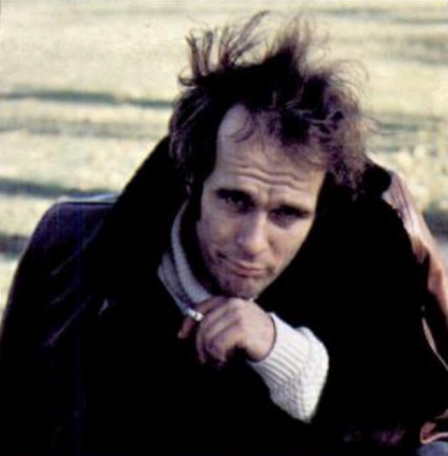
Tim Hardin (Eugene, 23 December 1941 – Los Angeles, 29 December 1980) was an American folk singer who stood out mainly in the sixties for his performance at the Woodstock festival and his contributions to the famous folk scene of Greenwich Village.
After leaving high school, the then 18-year-old Tim joined the navy. His military career did not last long. After two years, in 1961, Hardin was discharged and moved to New York. There he enrolled at the American Academy of Dramatic Arts but was soon expelled due to truancy. Out of financial need and a drive for a career, Tim Hardin eventually started playing music in Greenwich Village. Initially, the singer focused mainly on blues music.
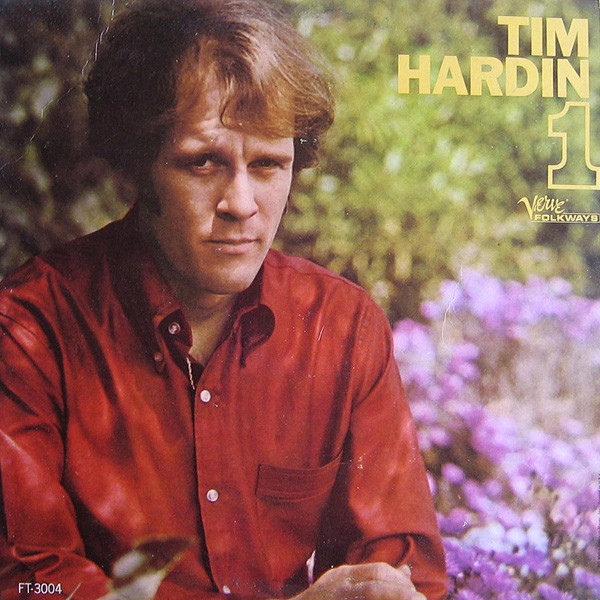
In 1963, Hardin moved to Boston. He was heard there by producer Erik Jacobson who arranged a contract with Columbia Records. A year later, in 1964, Hardin returned to the New York folk scene and made his first recordings there. These recordings were considered 'failed' by Columbia, and the record company dropped Hardin. In 1966, his first album Tim Hardin 1 was finally released by Verve Records. This was a different album than what Hardin had recorded in 1964 and included, among others, the song Reason to Believe, which later marked the breakthrough of Brainbox and Rod Stewart. The classic How Can We Hang On to a Dream also comes from that album.
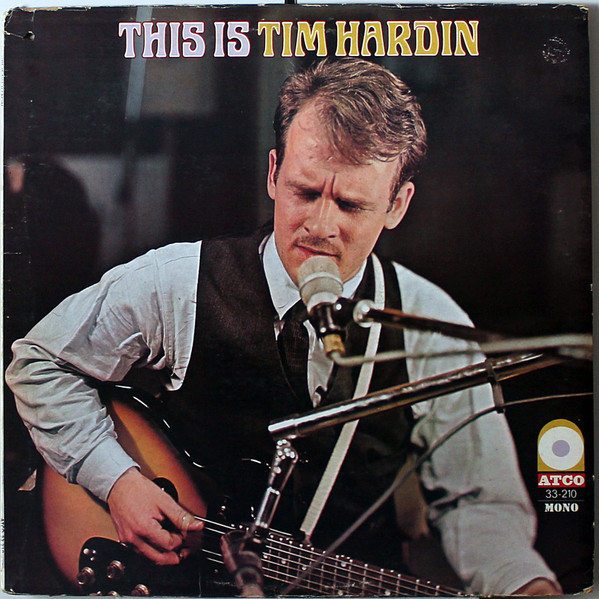
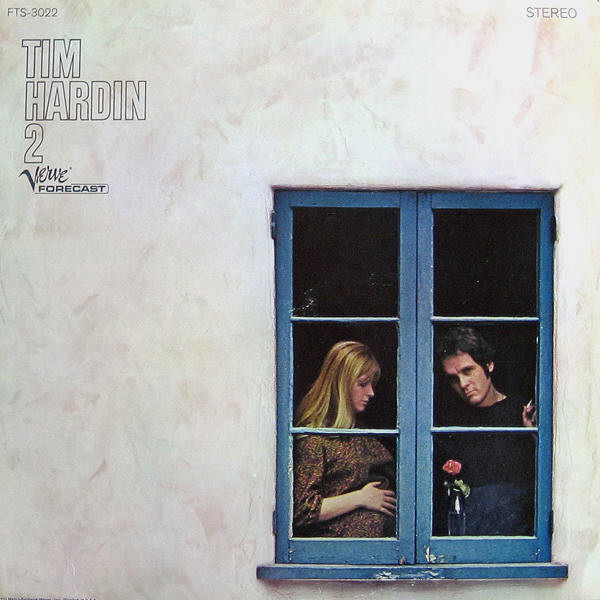
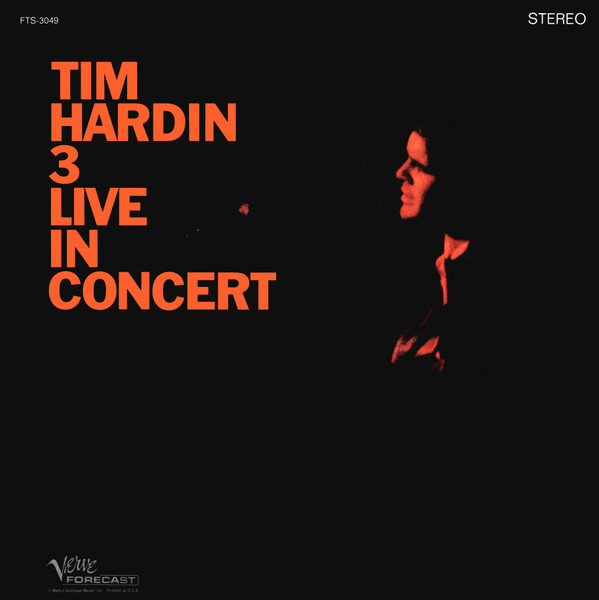
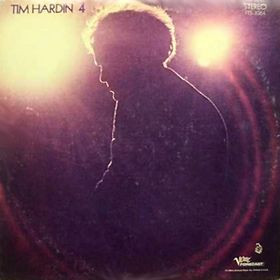
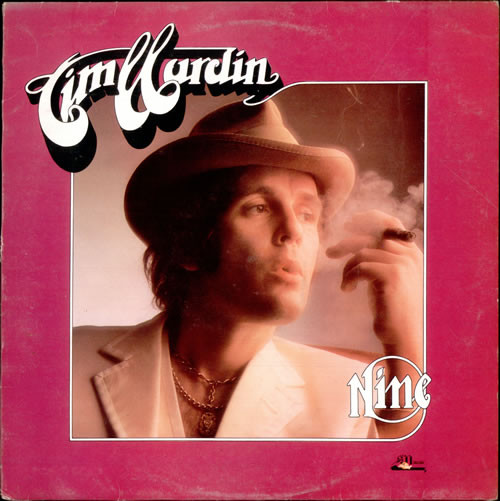
In 1967, Tim Hardin 2 was released. This album includes the hit If I Were A Carpenter, which had already been released in versions by, among others, Johnny Cash, Neil Diamond and Bobby Darin. Seven more albums and various legendary performances, including at Woodstock, followed. Already in 1966 it was clear that Hardin was addicted to heroin. In 1973, the album Tim Hardin 9 appeared. The singer was by then almost beyond saving. In 1975, Tim had made a new attempt to get off hard drugs (and the serious physical consequences) at home in Eugene with his parents. In 1980, Hardin died in Los Angeles of a heroin and morphine overdose. He was buried in Twin Oaks Cemetery in Turner, Oregon.
Shortly before his death, Tim Hardin was said to have spoken optimistically, according to a journalist from the family. He had written a new batch of songs. There were plans to record a new album. Don Rubin, one of his managers in the sixties, was involved. However, due to the singer's death, nothing came of it. One of his friends, Hugh Romney, organised a memorial gathering at the Troubadour (Los Angeles) on 4 January 1981. Three hundred people attended. From Los Angeles, Romney also sent a condolence telegram to Oregon with the text: “The black sheep boy is free at last. Good grief”. The black sheep of the Hardin family was finally free, was the message.
Top 2000
In the 24th edition of the Top 2000, Tim Hardin is at number 1926 with his best-known song ‘How Can We Hang On To A Dream’
Sunday Morning Classic
On 8 January 2023, Tim was on our Sunday Morning Classic stage with his debut album Tim Hardin 1, which consists entirely of highlights.
Tim Hardin 1 is a beautiful and atmospheric album. Gems like Never Too Far and How Can We Hang on to a Dream (from the film Zoeken naar Eileen) make it a special half hour. The songs are somewhat short but this approach fits perfectly with Tim's work. The warm and sweet voice brings out the emotions that elevate the songs to a higher level. Musically, the album is also strong, with light instrumentation (orchestra, keyboard) creating the atmospheric whole. With this album, Tim Hardin set the standard for many who followed. And that standard was immediately (very) high. The jazz influence in his brilliant singer-songwriter work was revolutionary.
Source: NPO and Wikipedia Photo: public domain